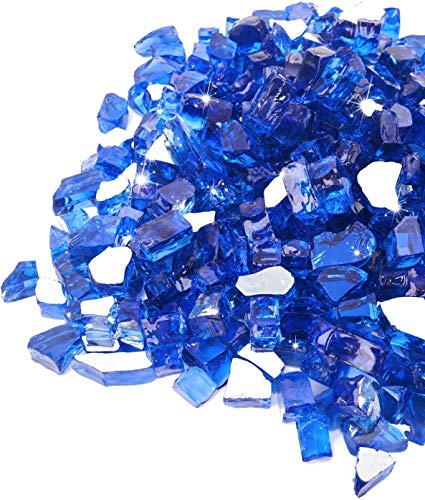
Gas Fireplace Insert with Glass Rocks: The Ultimate Modern Upgrade
Transform your existing fireplace into a contemporary centerpiece with a gas insert and glass rocks. Learn about venting, efficiency, design, and how to choose the perfect model for your home.
Explore the GuideWhy glass rocks? Unlike traditional logs, glass rocks (fire glass) offer a sleek, modern aesthetic that reflects the flames beautifully. They are durable, low-maintenance, and available in a wide range of colors to match your interior. When paired with a high-efficiency gas insert, they create a clean-burning, stylish focal point that can also provide meaningful supplemental heat.
What Exactly Is a Gas Fireplace Insert with Glass Rocks?
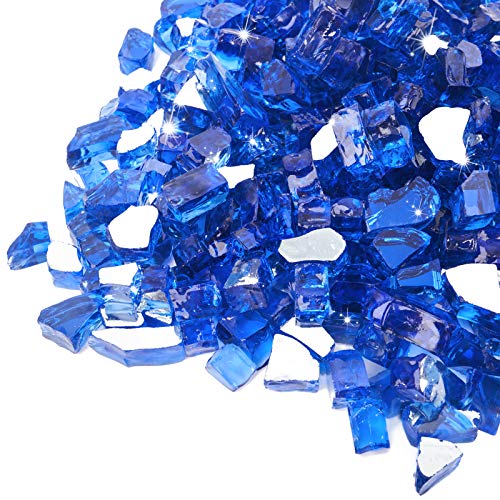
A gas fireplace insert with glass rocks is a self-contained unit designed to fit into an existing fireplace opening—typically a wood-burning masonry or prefabricated fireplace. Instead of traditional ceramic logs, the burner is covered with tempered glass rocks (also called fire glass or glass media). These rocks are engineered to withstand high temperatures without melting, cracking, or discoloring. The result is a ribbon-like flame that dances across the reflective surface, creating a modern, linear look.
If you're still exploring fuel types, our guide on types of fireplaces can help you compare gas, electric, and wood options. For a direct comparison between gas and electric inserts, see our article on electric vs gas vs wood.
Vented vs. Ventless Gas Inserts: Which One Works with Glass Rocks?
Both vented and ventless (vent-free) gas inserts can be used with glass rocks. However, each has distinct installation and performance characteristics.
Vented Gas Inserts
Vented inserts exhaust combustion byproducts through a chimney or dedicated vent. They are known for:
- More realistic flame appearance
- Higher heat output (often 30,000–40,000+ BTU)
- No indoor air quality concerns
- Require a chimney or direct vent
For a vented model with a blower and remote, see our recommended vented gas fireplace insert with blower and remote control.
Ventless (Vent-Free) Gas Inserts
Ventless inserts burn gas so cleanly that they require no external venting. Key traits:
- Easier installation—no chimney needed
- Nearly 100% heat efficiency
- Lower upfront cost (entry-level to mid-range)
- Some jurisdictions restrict their use
Explore our guide to ventless fireplace inserts and ventless vs vented fireplaces for more details.
For a deeper dive into installation requirements, refer to our gas fireplace installation requirements.
Why Choose Glass Rocks Over Traditional Logs?
✓ Advantages
- Modern, contemporary aesthetic
- Reflects and amplifies flame
- Durable and long-lasting
- Easy to clean—just dust or rinse
- Available in many colors
- No ash or soot buildup
✗ Considerations
- Less traditional look
- Can be more expensive than logs
- Requires careful placement for best flame effect
- Some people miss the crackling sound (though crackling sound options exist for electric models)
If you prefer the look of logs but want gas convenience, you might consider logs for gas fireplace or ceramic fireplace logs as an alternative.
Sizing, BTU, and Heating Capacity
Choosing the right size and BTU output is crucial for both aesthetics and performance. A unit that's too small may look lost in a large opening, while an oversized insert can overpower the room.
| Room Size (sq ft) | Recommended BTU Range | Typical Insert Tier |
|---|---|---|
| Up to 300 | 10,000 – 20,000 | Entry-Level |
| 300 – 600 | 20,000 – 30,000 | Mid-Range |
| 600 – 1,000 | 30,000 – 40,000 | Premium |
| 1,000+ | 40,000+ | Luxury |
For a more precise calculation, use our guide on fireplace heating capacity and BTU or try our fireplace sizing guide.
Efficiency and Long-Term Costs
Gas fireplace inserts are generally more efficient than traditional wood-burning fireplaces. Ventless models can achieve up to 99% efficiency, while vented models typically range from 70% to 85%. However, running costs depend on local gas prices and usage patterns.
To understand the financial implications, read our articles on electric vs gas running costs and which fireplace saves money long-term. If you're concerned about hidden expenses, see hidden costs of owning a fireplace.
Pro Tip: Adding a blower can significantly improve heat distribution. Learn more about fireplace blower fans and how to install a fireplace blower.
Installation: What You Need to Know
Installing a gas insert with glass rocks is a job best left to a licensed professional, especially when dealing with gas lines. However, understanding the process helps you plan.
Key Steps
- Inspect existing fireplace and chimney
- Run a gas line if none exists
- Install venting (if required)
- Place the insert and connect gas
- Arrange glass rocks
- Test for leaks and proper operation
If you don't have a gas line, read gas fireplace without a gas line for alternatives. For replacing an old wood unit, see replacing wood burning fireplace with gas.
Maintenance for Gas Inserts with Glass Rocks
Gas inserts are relatively low-maintenance, but glass rocks require occasional care to keep them looking pristine. Here's a quick routine:
- Monthly: Dust glass rocks with a soft cloth or vacuum with a brush attachment.
- Quarterly: Inspect burner for dust or debris; clean if needed.
- Annually: Schedule a professional inspection of the gas line, venting, and burner.
- As needed: Clean glass doors with a non-ammonia cleaner.
For more detailed maintenance tips, see our gas fireplace maintenance guide, how to clean fireplace glass, and how to clean a gas fireplace burner. Also, check our fireplace maintenance checklist.
Common Issues and Troubleshooting
Even the best gas inserts can encounter problems. Here are a few common issues and where to find solutions:
Pilot Light & Ignition
Performance & Odor
For a comprehensive list, visit our fireplace troubleshooting hub.
Design Ideas for Glass Rock Inserts
Glass rocks open up a world of design possibilities. Here are some popular ways to style your gas insert:
Color Coordination
Match glass rocks to your room's palette. Clear or crystal rocks offer a neutral, elegant look, while colored rocks (blue, amber, black) can create a bold statement.
Surround and Mantel
Pair your insert with a sleek stone or tile surround. Consider concrete fireplace surround ideas or stone fireplace wall ideas.
TV Placement
If you plan to mount a TV above, review can you put a TV above a fireplace and TV above fireplace safety.
Room Integration
See living room fireplace ideas and family room fireplace ideas for inspiration.
Frequently Asked Questions
Not all gas inserts are designed for glass rocks. Check your manufacturer's guidelines. Ventless and vented inserts that specify "glass media approved" are safe. Using unapproved media can void your warranty and potentially damage the burner.
Glass rocks themselves do not produce carbon monoxide. CO is a byproduct of incomplete combustion in gas appliances. Properly installed and maintained vented inserts exhaust CO outdoors, while ventless inserts are designed to burn cleanly. Always install a CO detector for safety. See carbon monoxide signs from fireplace.
Allow the fireplace to cool completely. Remove the rocks and rinse them in a bucket of warm water with mild dish soap. For tougher stains, use a 50/50 vinegar-water solution. Dry thoroughly before placing them back. For more, see our gas fireplace maintenance guide.
It can provide supplemental heat for the room it's in, but it's not designed to replace a central heating system for an entire house. See can a fireplace heat an entire house for more details.
A quality gas insert can last 15–20 years or more with proper maintenance. Glass rocks are extremely durable and typically outlast the insert itself. See fireplace lifespan for more info.
Ready to Upgrade Your Fireplace?
Explore our recommended gas fireplace inserts with glass rocks below. These models are selected for their performance, efficiency, and modern design.
View Recommended Inserts