
Installing a Wood Burning Fireplace: A Complete Guide
Everything you need to know before installing a wood burning fireplace, from choosing the right type and location to understanding chimney, hearth, and safety requirements.
Installing a wood burning fireplace is a significant home improvement project that adds warmth, ambiance, and value to your property. Unlike plug-and-play electric models, a wood burning installation requires careful planning, adherence to building codes, and a thorough understanding of how the system works. Whether you are considering a traditional masonry fireplace, a prefabricated zero-clearance unit, or a high-efficiency wood stove, this guide will walk you through the essential steps and decisions you need to make. For a broader overview of your options, you might first want to explore our fireplace buying guide.
Key Takeaway: A successful installation is not just about placing a firebox; it is about the entire system—the appliance, the chimney, the hearth, and the ventilation. Each component must work together for safety and efficiency.
1. Choosing Your Wood Burning Appliance
The first step is deciding what type of wood burning appliance you want. The three main categories are traditional masonry fireplaces, prefabricated (zero-clearance) fireplaces, and wood stoves. Each has different installation requirements and performance characteristics.
Traditional Masonry Fireplaces
These are built on-site using brick, stone, or concrete. They are often the centerpiece of a home and offer timeless appeal. However, they are the most expensive and complex to install, requiring a full foundation, a masonry chimney, and skilled labor. Traditional open fireplaces are also notoriously inefficient, with most heat going up the chimney. If you are considering this route, be prepared for a major construction project. For those interested in the aesthetic, you might find inspiration in our contemporary wood burning fireplace ideas.
Prefabricated or Zero-Clearance Fireplaces
These are factory-built units that can be installed with minimal clearance to combustible materials, hence the name "zero-clearance." They are much lighter than masonry fireplaces and can be framed into a wall using standard building materials. They come with their own chimney system, which is typically a metal, insulated flue. This is a popular choice for remodels or new construction where a full masonry build is impractical. The installation process is more streamlined than masonry but still requires professional expertise.
Wood Stoves
A wood stove is a freestanding appliance that radiates heat directly into the room. It is generally the most efficient way to burn wood and is an excellent choice for supplemental heating. Installing a wood stove in an existing fireplace opening is a common project. You can learn more about this in our guide on installing a wood burning stove in a fireplace. Modern stoves often feature advanced combustion systems that burn gases and particulates, reducing emissions and increasing heat output. If high efficiency is your goal, look for models with a high-efficiency rating.
2. Location and Clearance: The Critical Rules
Where you place your wood burning appliance is governed by strict safety rules designed to prevent house fires. The two most important concepts are the hearth and clearance to combustibles.
The Hearth
The hearth is the non-combustible floor area in front of and beneath the fireplace. It protects your flooring from embers and heat. For a wood burning fireplace, the hearth must be made of a non-combustible material like stone, brick, tile, or concrete. The required size of the hearth varies by appliance and local code, but it generally extends at least 16 to 18 inches in front of the firebox opening and extends to the sides. For more information on protecting your floor, especially for a freestanding stove, see our guide on wood burning stove floor protection. If you are building a hearth, you will need the right materials, such as heat resistant cement for fireplace applications.
Clearance to Combustibles
This refers to the minimum distance between the appliance and any combustible material (walls, furniture, wood framing). Every appliance has a manufacturer's specification for clearance. For zero-clearance fireplaces, this distance can be as little as a few inches, but for a wood stove, it can be 12 inches or more on all sides. You must strictly adhere to these clearances. A common mistake is to place a TV or wooden mantel too close. Always check our guide on furniture distance from fireplace for safety guidelines.
3. The Chimney and Venting System
The chimney is the engine of your wood burning system. It creates the draft that pulls smoke and gases up and out of your home. A properly sized and installed chimney is non-negotiable for safety and performance.
For a masonry fireplace, the chimney is built from brick or stone and must be lined. For prefabricated fireplaces and wood stoves, a factory-built metal chimney is used. These are typically made of stainless steel and are insulated to keep flue gases hot, which improves draft and reduces creosote buildup. The chimney must extend at least 3 feet above the roof line and 2 feet above any part of the roof within 10 feet. You can learn more about general requirements in our article on do fireplaces need a chimney.
If you are installing a wood stove, you may need a flexible or rigid stove pipe to connect it to the chimney. A flexible stove pipe for wood stoves is often used for lining an existing masonry chimney. For a new installation, a stainless steel chimney liner is a durable and safe choice. We discuss this in more detail in our guide on stainless steel chimney liner for wood burning fireplace.
4. Installation Process Overview
While every project is unique, the general process for installing a wood burning fireplace or stove follows these steps:
- Planning and Permits: Check local building codes and obtain the necessary permits. This is not a step to skip. Our article on fireplace permit requirements provides more details.
- Preparation: Clear the area, protect your floors, and gather all materials. For a stove, you may need to prepare a hearth pad.
- Framing and Venting: For a zero-clearance unit, you will frame an enclosure. For a stove, you will run the stove pipe and chimney. This is the most critical phase for safety.
- Setting the Appliance: Carefully position the fireplace or stove in place. Ensure all clearances are met.
- Finishing: Add your desired surround, mantel, or stone veneer. If you are refacing, you might consider refacing brick fireplace with stone.
- Inspection and First Burn: Have your installation inspected by a professional. Then, perform a small test burn to check for smoke spillage and proper draft.
Professional vs. DIY: While some aspects of a wood burning installation can be DIY, the venting and final connections are best left to a certified professional. A mistake here can be life-threatening. For a realistic look at what you can do yourself, read our guide on DIY vs professional fireplace installation. If you are set on a DIY project, perhaps start with a simpler option like a DIY faux fireplace or a DIY electric fireplace.
5. Safety and Maintenance After Installation
Once your wood burning fireplace is installed, your responsibility for safety continues. Regular maintenance is key to preventing chimney fires and carbon monoxide exposure.
- Annual Inspection: Have your chimney inspected and cleaned annually by a certified chimney sweep. This is the single most important maintenance task. You can find more information in our annual fireplace inspection guide.
- Creosote Buildup: Creosote is a highly flammable byproduct of burning wood. Learn to recognize the signs and prevent it. Our article on creosote buildup prevention is essential reading.
- Carbon Monoxide Detectors: Install CO detectors on every level of your home and near sleeping areas. Be aware of the signs of carbon monoxide from fireplace.
- Ash Removal: Properly dispose of ashes in a metal container with a tight-fitting lid. Never place them in a plastic or paper bag. See our ash removal & disposal guide for safe practices.
- Seasonal Care: Prepare your fireplace for winter and maintain it during the off-season. Our seasonal fireplace checklist can help you stay on track.
By following these guidelines, you can enjoy the beauty and warmth of your wood burning fireplace for many years. Remember that a safe installation is a professional installation.
Recommended Wood Burning Fireplaces & Accessories
⚠️ AFFILIATE DISCLOSURE: This website contains affiliate links. As an Amazon Associate, we earn from qualifying purchases. If you make a purchase through these links, we may receive a small commission at no additional cost to you. Read our full affiliate policy.

JossaColar Wood Stove Fan Heat Powered Fireplace Fan Non Electric, Thermal Fan for Wood Burning Stove/Log Burner, w/Stove Accessories Thermometer
Check price on Amazon
Panovue Fire Pit Table 32 Inch Square Metal Stove for Patio, Backyard | Wood Burning Fire Pits for Outside, Multifunctional Outdoor Fireplace for Camping, Heating, Bonfire & Picnic
Check price on Amazon
The First-Time Wood Stove Owner’s Handbook: A Beginner’s Guide to Understanding Your Stove, Burning Wood Responsibly, Managing Firewood, Maintaining Your System & Preparing for Heating Season
Check price on Amazon
WOOD BURNING KIT FOR BEGINNERS: A Complete Guide To Pyrography Success
Check price on Amazon
Lyrufexon Ceramic Fiber Insulation Blanket, 24"x15.7"x1" Thick | Fireproof Insulation Rated to 2600F, for Wood Stove Baffle, Fireplace, Pellet Stove, Chimney, Furnace, Boiler and Pizza Ovens
Check price on Amazon
Gtongoko Fireplace Tools Set with Stand, 30-Inch Heavy Duty Steel | 4 Pcs Include Poker, Shovel, Brush, Powder-coated Finish, Ideal for Fireplaces, Wood Stoves and Fire Pits, Indoor/Outdoor Use
Check price on Amazon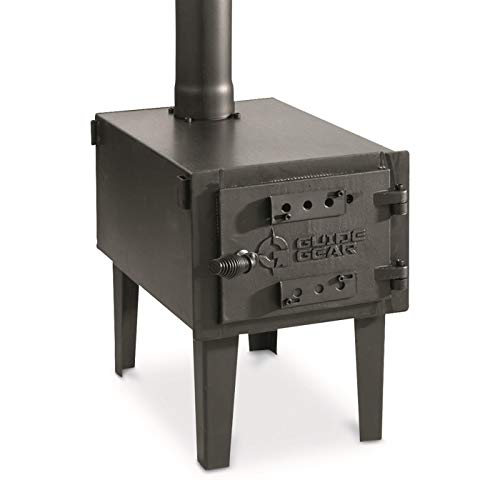
Guide Gear Outdoor Wood Burning Stove; Portable with Chimney Pipe for Cooking and Camping
Check price on Amazon