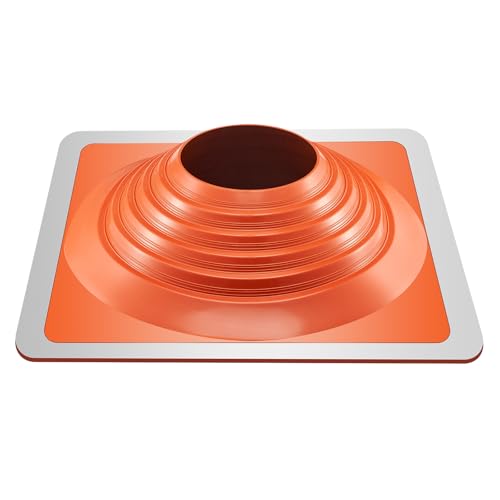
Flexible Stove Pipe for Wood Stoves
Everything you need to know about choosing, installing, and maintaining a flexible stove pipe for safe and efficient wood stove operation
START READINGWhy Flexible Stove Pipe Matters: A properly selected and installed flexible stove pipe is critical for safe venting, optimal draft, and long-term performance of your wood stove. This guide helps you understand your options and make an informed decision.
What Is a Flexible Stove Pipe?
A flexible stove pipe is a corrugated or semi-rigid metal conduit designed to carry exhaust gases from a wood stove to a chimney or vent termination point. Unlike rigid black stovepipe, flexible pipe can bend around obstacles, making it ideal for retrofits, tight spaces, and chimney liner applications. It is commonly made from stainless steel or aluminum and is available in various diameters to match your stove's flue collar.
Wood stove owners often turn to flexible pipe when they need to connect a stove to an existing masonry chimney, navigate around structural beams, or replace a damaged liner. Understanding the differences between flexible and rigid pipe — and knowing when each is appropriate — is essential for a safe and efficient installation. For a broader overview of venting options, see our guide on whether you need a chimney or vent.
Types of Flexible Stove Pipe
Not all flexible pipes are created equal. The right choice depends on your stove type, chimney configuration, and local building codes. Here are the main categories:
Single-Wall Flexible Pipe
Lightweight and easy to bend, single-wall flexible pipe is typically used for short runs inside a firebox or as a transition piece. It offers minimal insulation and is best suited for interior applications where clearance to combustibles is not a concern.
- Best for: Short connector runs
- Material: Stainless steel or aluminum
- Insulation: None
Double-Wall Flexible Pipe
Double-wall flexible pipe features an inner liner and an outer jacket with an air gap or insulation between them. This design reduces surface temperature and improves draft, making it safer for installations with tighter clearances.
- Best for: Through-wall and through-ceiling runs
- Material: Stainless steel
- Insulation: Air gap or ceramic blanket
Insulated Flexible Chimney Liner
This is a flexible stainless steel liner wrapped in insulation, designed to be dropped down an existing masonry chimney. It improves draft, reduces creosote buildup, and protects the chimney structure from heat and moisture.
- Best for: Relining masonry chimneys
- Material: 316L or 304 stainless steel
- Insulation: Ceramic fiber blanket
Material Comparison: Stainless Steel vs. Aluminum
The material of your flexible stove pipe directly affects its durability, heat resistance, and suitability for your application. Here is a side-by-side comparison:
| Feature | Stainless Steel (316L / 304) | Aluminum |
|---|---|---|
| Heat Resistance | Excellent — withstands continuous high temperatures | Limited — suitable only for low-heat gas appliances |
| Corrosion Resistance | Superior, especially 316L for creosote and moisture | Moderate — may corrode over time |
| Lifespan | Long — often 15–30 years with proper maintenance | Short — typically 5–10 years |
| Cost Tier | Premium | Entry-Level |
| Best For | Wood stoves, high-efficiency appliances, chimney liners | Gas appliances, temporary setups, low-heat applications |
For wood stoves, stainless steel is the clear choice. Grade 316L offers the best resistance to creosote corrosion, while 304 is a more affordable option for less demanding environments. If you are also considering a wood stove insert, our guide on wood-burning stove fireplace inserts with blower covers related components.
Pros and Cons of Flexible Stove Pipe
Flexible pipe offers distinct advantages over rigid pipe, but it also has limitations. Understanding both sides helps you decide if it is the right solution for your installation.
✓ Advantages
- Easy to route around obstacles and through tight spaces
- Ideal for chimney relining without major demolition
- Fewer joints mean less chance of leaks
- Can be installed in older homes with irregular chimneys
- Available in long continuous lengths
✗ Disadvantages
- Corrugated surface can collect creosote more easily
- Higher resistance to airflow compared to smooth rigid pipe
- Can be more difficult to clean thoroughly
- May require additional supports in long vertical runs
- Not always suitable for exposed interior applications
Sizing Your Flexible Stove Pipe
The diameter of your flexible stove pipe must match the flue outlet on your wood stove. Common sizes include 6-inch and 8-inch diameters, though smaller and larger options exist. Using a pipe that is too small will restrict draft and cause smoke spillage; too large and the flue gases will cool too quickly, leading to creosote buildup.
Proper sizing also relates to the heating capacity of your stove. If you are unsure how much heat your stove produces and what size vent it requires, our fireplace heating capacity and BTU guide provides a detailed framework. For a step-by-step sizing worksheet, see how to size a fireplace.
Rule of Thumb: Match the flexible pipe diameter to the stove's flue collar. Never reduce the diameter unless the stove manufacturer explicitly permits it. When in doubt, consult a certified chimney professional.
Installation Tips for Flexible Stove Pipe
Installing flexible stove pipe requires careful planning and attention to safety codes. Here are key steps and considerations:
1. Plan the Route
Map out the path from the stove outlet to the chimney or vent termination. Minimize bends and horizontal runs, as these reduce draft efficiency. Each 90-degree bend is equivalent to several feet of straight pipe in terms of resistance.
2. Measure and Cut
Measure carefully and cut the flexible pipe with a angle grinder or metal snips. Wear gloves — the cut edges are sharp. Deburr the edges to ensure a smooth connection and avoid injury.
3. Secure Connections
Use stainless steel screws to secure the pipe to the stove collar and chimney adapter. Seal joints with high-temperature silicone or furnace cement rated for wood stove applications. For more on heat-resistant sealants, see heat-resistant cement for fireplace.
4. Maintain Clearances
Follow the manufacturer's clearance requirements. Single-wall flexible pipe typically requires 18 inches of clearance to combustibles, while double-wall and insulated pipe can be installed with reduced clearances. Check local building codes for specifics.
If you are installing a wood stove into an existing fireplace opening, our guide on installing a wood-burning stove in an existing fireplace provides additional context. For floor protection requirements, see wood-burning stove floor protection.
Safety and Maintenance
Flexible stove pipe requires regular inspection and cleaning to prevent creosote buildup, which is the leading cause of chimney fires. The corrugated interior of flexible pipe tends to accumulate creosote faster than smooth rigid pipe, so more frequent cleaning may be necessary.
Inspect Regularly
Check the pipe for signs of corrosion, cracks, or loose connections at least twice per heating season. Pay close attention to joints and bends where creosote tends to accumulate.
Clean Annually
Have the chimney and flexible pipe professionally cleaned at least once per year. If you burn frequently, consider cleaning more often. Our chimney cleaning guide explains the process in detail.
Watch for Warning Signs
Smoke spillage, weak draft, or a strong creosote odor are signs that your pipe needs attention. For troubleshooting, see our wood fireplace draft problem guide.
Common Problems and Solutions
Even well-installed flexible stove pipe can develop issues over time. Here are the most common problems and how to address them:
| Problem | Likely Cause | Solution |
|---|---|---|
| Weak draft | Too many bends, pipe diameter too small, or creosote blockage | Reduce bends, increase diameter if possible, clean the pipe |
| Smoke spillage into room | Negative pressure, blocked flue, or poor connection | Check for blockages, ensure proper make-up air, reseal connections |
| Creosote buildup | Cool flue gases, unseasoned wood, or infrequent cleaning | Burn seasoned wood, improve draft, clean more frequently |
| Corrosion | Moisture exposure or improper material for wood burning | Replace with 316L stainless steel, address moisture sources |
For more troubleshooting help, visit our fireplace troubleshooting hub. If you suspect a blockage, never use the stove until the issue is resolved. Our creosote buildup prevention guide offers preventative strategies.
How to Choose the Right Flexible Stove Pipe
When shopping for a flexible stove pipe, consider these factors:
Application
Is the pipe for a chimney liner, a connector between stove and chimney, or a through-wall installation? Each application has different requirements for insulation and material thickness.
- Chimney liner: Insulated stainless steel
- Connector: Single or double-wall stainless steel
- Through-wall: Double-wall insulated
Quality Tier
Flexible stove pipes are available across several quality tiers. Entry-level options are suitable for occasional use and budget-conscious installations. Mid-range products offer better corrosion resistance and longer warranties. Premium and luxury tiers feature thicker stainless steel, superior insulation, and enhanced durability for heavy use.
- Entry-Level — Occasional use, basic applications
- Mid-Range — Regular use, good corrosion resistance
- Premium — Heavy use, 316L stainless, long warranty
- Luxury — Commercial-grade, maximum durability
Certifications
Look for products that are UL 1777 listed or equivalent for chimney liners, and UL 103 for chimney connectors. These certifications ensure the product has been tested for safety and performance in wood-burning applications.
Warranty
A longer warranty typically indicates better materials and construction. Entry-level pipes may carry a 5-year warranty, while premium stainless steel options often come with lifetime limited warranties.
Frequently Asked Questions
Ready to Choose Your Flexible Stove Pipe?
Explore our recommended products below to find the right flexible stove pipe for your wood stove installation.
VIEW RECOMMENDED PRODUCTS