Contemporary Wood Burning Fireplace
Discover the perfect blend of modern design and traditional warmth. A complete guide to choosing, installing, and maintaining a high-efficiency wood burning fireplace for your contemporary home.
Explore the GuideWhat Defines a Contemporary Wood Burning Fireplace?
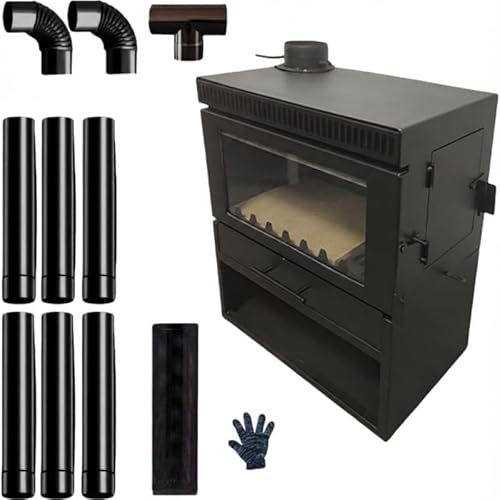
A contemporary wood burning fireplace is not just a heat source; it's a statement piece. Unlike traditional open hearths, modern designs prioritize efficiency, clean lines, and a minimalist aesthetic. They are engineered to produce more heat with less fuel, while producing significantly fewer emissions. If you're exploring your options, our fireplace buying guide can help you understand the broader market. These fireplaces often feature large, clean-burning fireboxes with a single pane of glass, allowing you to enjoy the mesmerizing dance of the flames without the mess and inefficiency of an open fire.
The core of a contemporary wood burning fireplace is advanced combustion technology. This includes features like insulated fireboxes, pre-heated combustion air, and baffle systems that ensure gases are re-ignited before they escape up the chimney. This results in a hotter, more efficient burn. For those who want the look of a wood fire but with the convenience of modern fuel, you might also consider a contemporary freestanding electric fireplace. However, for the authentic crackle and aroma of real wood, a modern wood burner is unparalleled.
Key Features of Modern Wood Burning Fireplaces
High Efficiency
Modern units are designed to capture and radiate far more heat into your room, often achieving efficiency ratings above 70%. This means less wood is needed to heat the same space.
Clean-Burning Technology
Advanced combustion systems burn wood gases and particulates, reducing smoke and creosote buildup. This is better for the environment and reduces chimney maintenance.
Large Glass Viewing Area
A signature of contemporary design, a large, unobstructed glass door offers a beautiful, panoramic view of the fire, making it a true focal point in any room.
Sleek, Minimalist Design
Gone are the ornate surrounds of the past. Contemporary models feature clean lines, simple frames (often in black steel), and can be integrated seamlessly into a feature wall.
Types of Contemporary Wood Burning Fireplaces
When selecting a modern wood burner, you'll primarily choose between an insert and a freestanding stove. Each offers distinct advantages for different spaces and design preferences.
Wood Burning Fireplace Inserts
An insert is a self-contained unit designed to be installed inside an existing traditional masonry fireplace. This is an excellent way to upgrade an inefficient open hearth into a high-performance heater. The insert fits into the opening and is sealed with a faceplate, often with a blower fan to circulate heat. If you have an old fireplace, this is a cost-effective way to modernize. You can learn more about the installation process in our guide on installing an insert in a fireplace. This approach combines the charm of a traditional hearth with the efficiency of modern technology.
Freestanding Wood Stoves
For a truly contemporary look, a freestanding wood stove is an exceptional choice. These units are not confined to a traditional fireplace, offering greater flexibility in placement. They can be placed in a corner, against a flat wall, or even as a room divider. Many modern stoves feature a pedestal or legs, and can be positioned on a sleek limestone slab for fireplace hearth to protect your flooring and add to the aesthetic. A freestanding stove is a powerful heater and a design statement in its own right. For those seeking a traditional feel with modern performance, a freestanding wood stove with blower offers superior heat distribution. If you're on a budget, you might look for wood burning pellet stoves for sale, but for the authentic log-burning experience, a wood stove is the way to go.
Pros and Cons of a Contemporary Wood Burning Fireplace
Advantages
- High Heat Output: Excellent for zone heating and reducing reliance on central heating.
- Aesthetic Appeal: A modern design can be a stunning focal point, adding value to your home.
- Renewable Fuel: Wood is a renewable resource if sourced sustainably.
- Independence: Provides heat during power outages, unlike gas or electric models.
- Ambiance: The authentic sight, sound, and smell of a real wood fire.
Disadvantages
- Maintenance: Requires ash removal, chimney cleaning, and wood storage.
- Installation Cost: Can be more involved and costly than gas or electric, often requiring a chimney liner or new flue.
- Environmental Impact: While cleaner than before, wood smoke still releases particulates.
- Space Requirements: Needs clearance from combustibles and space for a hearth.
- Inconsistent Heat: Requires manual tending and can have variable heat output.
Installation, Sizing, and Efficiency
Proper installation and sizing are critical for performance and safety. Unlike a simple electric fireplace installation (plug and play), a wood-burning unit is complex. It requires a proper chimney or flue system, adequate ventilation, and adherence to local building codes. For a detailed overview, see our fireplace installation guide overview. Sizing is equally important; a unit that's too large will overheat your room, while one that's too small won't provide enough warmth. You'll need to consider the room's square footage, insulation, and climate. Our fireplace heating capacity BTU guide can help you with the calculations. A professional can also perform a fireplace sizing worksheet to ensure you get the right model for your home.
Pro Tip: Always ensure your chimney is lined with a stainless steel chimney liner for wood burning fireplace. This not only improves efficiency by providing the correct flue size but also significantly improves safety by containing creosote and protecting your home from heat transfer.
Essential Maintenance for Longevity and Safety
A modern wood burning fireplace is an investment that requires regular care. Proper maintenance ensures it operates efficiently and safely for years. Key tasks include:
- Ash Removal: Dispose of ashes regularly using a metal container. You can follow our ash removal & disposal guide for safe practices.
- Glass Cleaning: Keep the glass door clean to enjoy the view. Our guide on how to clean fireplace glass offers simple, effective methods.
- Chimney Inspection: Have your chimney inspected and swept annually by a certified professional. This is crucial for preventing chimney fires. Our article on chimney cleaning explains when, why, and how it should be done.
- Creosote Prevention: Burn only seasoned hardwood and maintain proper airflow to minimize creosote buildup. Learn more in our creosote buildup prevention guide.
For a complete seasonal checklist, refer to our seasonal fireplace checklist. Adhering to a regular schedule will prevent common issues like fireplace smoke problems and keep your system in top condition. You can also explore our wood fireplace maintenance page for more specific tips.
Comparing Wood to Other Contemporary Options
While a wood-burning fireplace offers unmatched authenticity, it's worth comparing it to alternatives. A gas fireplace offers convenient, on-demand heat and a realistic flame, often with less maintenance. If you're weighing your options, our gas vs wood fireplace comparison provides an honest look at the differences. Electric fireplaces, on the other hand, are the easiest to install and offer versatility. Our electric vs wood fireplace guide can help you decide. For a broader overview of all fuel types, see our electric vs gas vs wood fireplace comparison. The right choice ultimately depends on your priorities: the authentic experience of wood, the convenience of gas, or the flexibility of electric.
Frequently Asked Questions
Are contemporary wood burning fireplaces efficient?
Yes, modern wood burning fireplaces are engineered for high efficiency, often exceeding 70%. They use advanced combustion technology to burn wood more completely, producing more heat and less smoke and creosote than traditional open fireplaces.
Do contemporary wood fireplaces require a chimney?
Most contemporary wood burning fireplaces require a chimney or a dedicated flue system to vent smoke and gases safely. However, some models are designed as 'zero-clearance' units that can be installed with a direct-vent system, offering more flexibility.
How do I maintain a modern wood burning fireplace?
Regular maintenance includes removing ash, cleaning the glass door, and having the chimney inspected and cleaned annually by a professional. You should also check the door gasket and firebricks for wear and tear. For a complete guide, check our wood fireplace maintenance page.