Heat Resistant Cement for Fireplace: The Complete Guide to Refractory Mortar
Everything you need to know about choosing, mixing, and applying fireproof cement for your fireplace, fire pit, or chimney. Understand the differences between refractory mortar, fire clay, and standard cement to build a safe and durable fire feature.
The Right Foundation for Your Fire: The difference between a fireplace that lasts for decades and one that crumbles within a year often comes down to the materials used. Heat resistant cement is the unsung hero of any masonry fire feature, providing the strength and thermal resilience needed to contain intense heat safely.
What is Heat Resistant Cement?
Heat resistant cement, commonly referred to as refractory mortar or fire clay mortar, is a specialized binding material engineered to withstand extreme temperatures without losing its structural integrity. Unlike standard construction cement, which begins to degrade at temperatures as low as 500°F (260°C), refractory cement is designed to perform in environments exceeding 1,500°F (815°C) and even up to 3,000°F (1,650°C) for certain high-alumina formulations.
This material is essential for any masonry project that involves fire, including building a new fireplace, repairing cracked firebox walls, laying fire bricks, or constructing an outdoor fire pit or pizza oven. The unique composition of refractory cement typically includes high-alumina content, silica, and other heat-resistant aggregates that create a durable, thermally stable bond. To understand how this fits into a larger project, it's helpful to review a beginner's guide to fireplaces and their construction.
Types of Heat Resistant Cement for Fireplaces
Not all heat-resistant cements are created equal. The right choice depends on your specific application, whether you are building a new structure or making a fireplace makeover. Here are the primary types:
Refractory Mortar (Pre-Mixed)
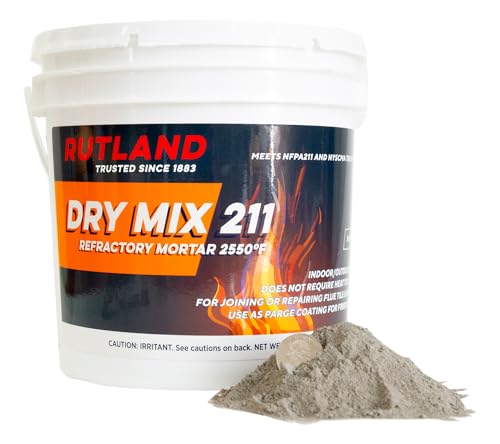
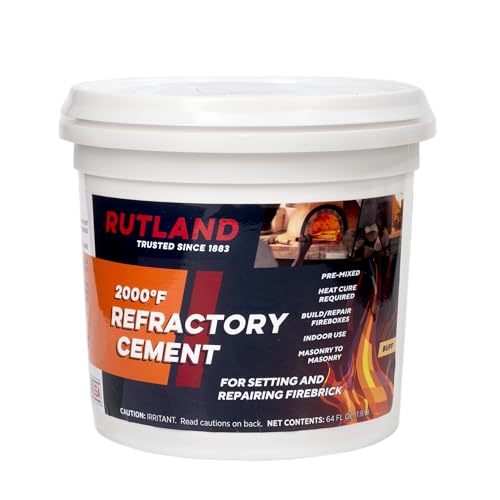
The most convenient option for most homeowners. This is a pre-blended product that only requires the addition of water. It typically contains high-alumina cement and fine aggregates, offering excellent heat resistance and a strong, durable bond. It's ideal for laying fire bricks and repairing firebox joints. The descriptor for this type is often mid-range to high-end due to its specialized formulation.
Fire Clay (Raw Material)
Fire clay is a raw, powdery material that must be mixed with sand and water. It is an entry-level to mid-range option, often used as a mortar for fire bricks or as a coating for the inside of a firebox. While it offers good heat resistance, it doesn't cure as hard as refractory cement and is more susceptible to erosion over time. It's a popular choice for DIY enthusiasts building a DIY fireplace frame.
Castable Refractory
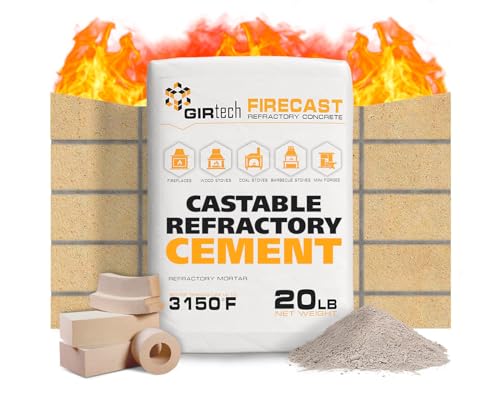
This is a premium to luxury option that is mixed and poured like concrete to form a solid, monolithic shape. It is used for casting custom firebox liners, burner ports, or building a garden fireplace DIY. Castable refractory offers superior strength and thermal shock resistance, making it the go-to choice for professional-grade installations.
Refractory Mortar vs. Fire Clay vs. Standard Cement
Understanding the differences between these three materials is critical for the success and safety of your fireplace project.
| Material | Heat Resistance | Durability | Best Use Case |
|---|---|---|---|
| Refractory Mortar | Excellent (up to 3,000°F) | High - cures hard | Laying fire bricks, repairing firebox walls, chimney liners |
| Fire Clay | Good (up to 2,000°F) | Moderate - can erode | Coating firebox, mixing with sand for brick mortar |
| Standard Cement | Poor (degrades at 500°F) | Fails rapidly under heat | Never use in a fireplace or high-heat application |
For any project involving a real fire, refractory mortar or castable refractory is the only safe choice. Using standard cement is a serious safety risk and will lead to a failed structure. If you are considering a project that involves replacing the interior of an existing fireplace, you may want to look into installing an insert to improve efficiency and safety.
How to Choose the Right Heat Resistant Cement
When selecting a heat resistant cement for your fireplace, consider the following factors:
- Temperature Rating: Ensure the product's maximum temperature rating exceeds the expected temperatures of your fireplace. Wood-burning fireplaces can reach 1,200°F, while gas models may burn hotter in concentrated areas.
- Application Method: Are you troweling, casting, or coating? Pre-mixed refractory mortar is best for troweling, while castable refractory is designed for pouring molds.
- Gap Size: For thin joints (1/16" to 1/8"), a fine-grained refractory mortar is ideal. For wider joints, a sandier fire clay mix may be sufficient.
- Cure Time: Some products air-cure, while others require a controlled heat-up schedule. Follow the manufacturer's instructions meticulously to prevent cracking.
- Color Matching: If you are repairing an existing fireplace, you may want a cement that matches the color of your existing mortar or fire bricks. This is particularly important when whitewashing a brick fireplace or trying to maintain a consistent look.
For a more detailed look at materials, exploring different types of fireplaces and their construction can provide additional context for your decision.
Step-by-Step Guide to Applying Heat Resistant Cement
Proper application is just as important as choosing the right product. Follow these steps for a durable repair or installation:
- Preparation: Clean the area thoroughly. Remove all loose debris, soot, and old mortar. The surface must be free of dust and grease for the cement to bond properly.
- Mixing: If using a powder, mix it with clean water in a bucket according to the manufacturer's ratio. Aim for a thick, peanut butter-like consistency. Let it slake (rest) for 10-15 minutes, then remix.
- Application: Use a trowel or pointing tool to press the cement firmly into the joints or cracks. For fire bricks, apply a thin layer to both surfaces and press together, ensuring a uniform joint.
- Curing: This is the most critical step. Refractory cement should not dry out too quickly. Cover the repaired area with a damp cloth or plastic sheet and keep it moist for 24-48 hours.
- Heat-Up: After curing, introduce heat gradually. Start with a small fire and slowly increase the intensity over several days. This drives out remaining moisture and prevents steam explosions and cracking.
This process is similar whether you are building a new feature from scratch or doing a DIY fireplace tile project over an existing hearth.
Common Mistakes to Avoid
Even with the right materials, errors in the process can compromise your fireplace. Avoid these common pitfalls:
- Using the Wrong Cement: Never substitute standard Portland cement or concrete mix for refractory cement. It will fail.
- Adding Too Much Water: Extra water makes the mix easier to work with but weakens the final bond and increases shrinkage, leading to cracks.
- Rapid Drying: Allowing the cement to dry too fast is the number one cause of cracking. Slow, controlled curing is essential.
- Incorrect Joint Thickness: Fire bricks should be laid with thin joints (1/8" or less). Thick joints are weak points.
- Skipping the Heat-Up: Firing up a new or repaired fireplace too quickly can cause explosive spalling due to trapped moisture.
If you encounter issues after your repair, such as smoke entering the room, it may be related to the chimney rather than the cement. In that case, refer to our guide on common fireplace problems for troubleshooting.
Maintaining Your Heat Resistant Cement
Once your fireplace is built or repaired, regular maintenance will extend its life. Inspect the firebox and chimney annually for signs of cracking or deterioration in the mortar joints. Small cracks can be repaired with a fresh application of refractory cement. For a comprehensive maintenance schedule, refer to our monthly and yearly maintenance schedule.
Proper care also involves cleaning. Learning how to clean fireplace glass and how to clean fireplace brick and stone will help you maintain the overall appearance and integrity of your fireplace.
Frequently Asked Questions
What is the best heat resistant cement for a fireplace?
The best choice is a pre-mixed refractory mortar with a high temperature rating (above 2,000°F). For casting custom shapes, a castable refractory is superior. Always check that the product is specifically designed for fireplaces or fire pits.
Can I use heat resistant cement for an outdoor fire pit?
Yes, refractory cement is ideal for outdoor fire pits. It must be able to withstand weather as well as heat. Look for a product that is rated for outdoor use and has good freeze-thaw resistance. This is a common material for a garden fireplace DIY project.
How long does heat resistant cement last?
When applied correctly and properly cured, a high-quality refractory mortar can last for many years, often decades, with minimal maintenance. Its lifespan depends on the quality of the product, the application, and the frequency of use.
Can I use heat resistant cement to repair a cracked firebox?
Yes, this is one of its primary uses. For a proper repair, you must first remove any loose material and widen the crack slightly to allow the new cement to penetrate. Then, apply the refractory mortar and allow it to cure slowly. For larger repairs, it may be necessary to replace entire fire bricks. If your fireplace has significant damage, it might be a good time to consider which fireplace is right for your home if a replacement is more cost-effective.
Conclusion
Choosing and applying the correct heat resistant cement is a fundamental step in building or repairing a safe, durable fireplace. By understanding the differences between refractory mortar, fire clay, and standard cement, and by following proper application and curing techniques, you can ensure your fire feature stands the test of time. Whether you are a seasoned DIYer or hiring a professional, this knowledge empowers you to make informed decisions for your home. Always prioritize safety and quality when working with high-heat applications.