Indoor Wood Burning Stove Installation: A Complete Guide
Everything you need to know for a safe, efficient, and code-compliant indoor wood stove installation, from clearances to chimney setup.
START EXPLORINGWhy Proper Installation Matters: An indoor wood burning stove is a significant investment that provides warmth and ambiance. However, its performance and safety depend entirely on a correct installation. This guide will walk you through the critical steps and considerations, helping you understand if this is a project you can tackle or one that requires a professional.
Why Choose an Indoor Wood Burning Stove?
An indoor wood burning stove offers a unique combination of traditional charm and modern efficiency. Unlike an open fireplace, a stove is a sealed combustion box, allowing for much greater control over the burn rate and heat output. This efficiency means you get more heat from less wood, making it a cost-effective heating solution for many homes. For those considering a switch, understanding the process of converting a fireplace to a wood stove is a great starting point.
Many modern stoves are designed to meet strict EPA regulations, burning cleaner and producing less smoke. This makes them an environmentally friendlier option compared to older, traditional fireplaces. If you are looking for a reliable heat source that can warm a large area, a high-efficiency wood stove is an excellent choice.
Key Components of a Wood Stove System
A complete installation involves more than just the stove itself. You'll need several essential components working together for safety and performance:
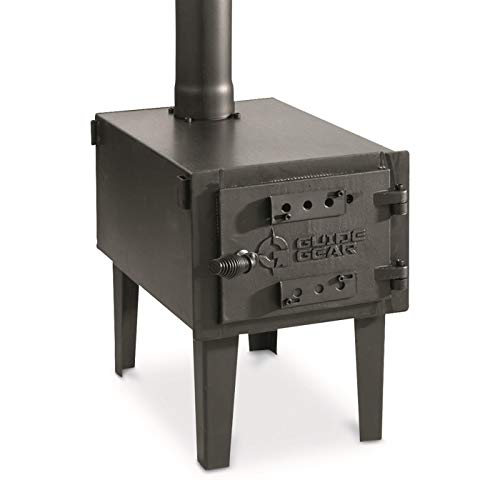
- The Stove: Available in various sizes and styles, from cast iron to steel. Some models are designed as wood burning cast iron stoves for sale, which offer excellent heat retention.
- Chimney & Stovepipe: This is the most critical part for safety. You'll need a UL-listed chimney system, which may include a double wall stainless steel stove pipe for optimal draft and safety.
- Hearth Pad: A non-combustible floor protector that sits under and extends in front of the stove to catch embers and protect your flooring.
- Wall Shields & Clearances: Non-combustible materials used to reduce the required distance between the stove and combustible walls.
Essential Clearance and Safety Requirements
Safety is the most important aspect of any wood stove installation. The National Fire Protection Association (NFPA) and local building codes dictate specific clearances.
Clearances to Combustibles
Every stove has a manufacturer-specified "clearance to combustibles." This is the minimum distance the stove can be placed from any combustible material, such as walls, furniture, and flooring. These clearances can often be reduced by installing approved heat shields. Always refer to your stove's manual for exact specifications.
Hearth Pad Requirements
A hearth pad is a non-combustible surface that the stove sits on. It must extend a certain distance in front of the stove (typically 16-18 inches in the US) and to the sides. This protects your floor from hot embers and radiant heat. For installation in a mobile or manufactured home, specific guidelines apply, so check resources for manufactured homes with wood burning fireplaces.
Chimney and Venting
The chimney is the engine of your stove, creating the draft necessary to pull smoke and gases out of your home. A poorly designed or installed chimney can lead to smoke spillage, poor performance, and dangerous creosote buildup. A stainless steel liner is almost always required when installing a stove into an existing masonry chimney to ensure safety and proper draft, similar to installing a stainless steel chimney liner for wood burning fireplace.
DIY vs. Professional Installation: While it is possible to install a wood stove yourself, it is a complex job that involves cutting into roofs or walls, ensuring proper clearances, and meeting strict building codes. Mistakes can be dangerous and costly. Hiring a certified professional ensures the job is done safely and to code. For a broader overview, see our guide on DIY vs professional fireplace installation.
Step-by-Step Installation Overview
While every installation is unique, the general process follows these steps:
- Planning and Permits: Decide on the stove location, check local codes, and obtain the necessary permits. The fireplace permit requirements are crucial to understand before starting.
- Prepare the Hearth: Install the non-combustible hearth pad according to the stove's specifications.
- Position the Stove: Place the stove in its final position, ensuring all clearances are met.
- Install the Stovepipe and Chimney: Connect the stove to the chimney system, penetrating the ceiling and roof with a UL-listed chimney kit. This step often requires high temperature mortar for fireplaces or a similar sealant for chimney connections.
- Connect to the Chimney: If using an existing masonry chimney, run a stainless steel liner from the stove to the top of the chimney.
- Final Inspection: Have the installation inspected by your local building authority to ensure it meets all safety codes.
For a more general overview of the installation process, you can refer to a guide on installing a wood burning stove insert, as many steps are similar.
Common Challenges and Troubleshooting
Even with a good installation, you might encounter issues. One of the most common is smoke entering the room, which is often a sign of a draft problem. This can be caused by a chimney that is too short, a blockage, or negative pressure in the house. Learning how to fix a wood fireplace draft problem is an essential skill for any wood stove owner.
Another issue is creosote buildup. Creosote is a highly flammable byproduct of burning wood. Regular cleaning and proper burning practices are vital for creosote buildup prevention. Always schedule an annual inspection with a certified chimney sweep.
Cost and Value Considerations
The total cost of an indoor wood stove installation varies widely based on the stove model, chimney complexity, and whether you hire a professional. A basic DIY installation with a mid-range stove will be at the lower end, while a complex installation in a multi-story home with a premium stove will be a high-end investment. It's important to get multiple quotes and to consider the long-term savings on heating bills. When planning, it's helpful to compare this to other installations, like the cost of converting wood burning fireplace to gas to see which option offers the best long-term value for your home.