High Temperature Mortar for Fireplaces: The Complete Guide
Discover how the right refractory mortar ensures the safety, durability, and efficiency of your fireplace or wood stove. Learn about types, applications, and expert tips for a lasting installation.
View Recommended ProductsBuilding or repairing a fireplace is a significant investment. Whether you are constructing a new wood-burning fireplace, installing a wood stove insert, or repointing an old chimney, the materials you choose will determine how well your system performs and how long it lasts. Among these materials, high temperature mortar — also known as refractory mortar or fire brick mortar — plays a critical role that cannot be overlooked.
Unlike standard masonry mortar, which is designed for general construction and will crumble under intense heat, high temperature mortar is specially formulated to withstand the extreme temperatures found inside a firebox or chimney. Using the wrong mortar can lead to structural failure, dangerous smoke leaks, and even a house fire. This guide will walk you through everything you need to know about high temperature mortar for fireplaces, from its composition and types to application techniques and safety considerations.
Key Takeaway: High temperature mortar is not a "one-size-fits-all" product. The correct choice depends on your specific application — whether you are bonding fire bricks in a firebox, coating a chimney flue, or repairing a cracked firebox. Always match the mortar's temperature rating to your fireplace's maximum operating temperature.
What Is High Temperature Mortar?
High temperature mortar, often referred to as refractory mortar, fire brick mortar, or heat-resistant mortar, is a specialized bonding agent designed to withstand temperatures that would destroy ordinary cement or masonry mortar. While standard mortar might begin to degrade at around 300°F to 500°F, high temperature mortar can typically handle continuous temperatures ranging from 1,500°F to over 3,000°F, depending on the formulation.
The key to its heat resistance lies in its composition. Traditional mortar is made from Portland cement, sand, and lime. High temperature mortar, on the other hand, uses refractory materials such as fire clay, high-alumina cement, silica, and other heat-resistant aggregates. These materials do not undergo the same chemical breakdown when exposed to heat, allowing them to maintain their structural integrity inside a firebox or chimney.
It is important to distinguish high temperature mortar from other heat-resistant products. High heat paint for fireplaces is a coating, not a bonding agent. Similarly, non-combustible surround materials are used for decorative facing, not for bonding fire bricks. Each product serves a distinct purpose, and using the wrong one can compromise your entire fireplace assembly.
Why High Temperature Mortar Is Essential for Fireplaces
Fireplaces and wood stoves operate under extreme conditions. A wood fire can easily reach 1,100°F to 2,000°F inside the firebox, and a chimney fire can spike even higher. Under these conditions, ordinary mortar will crack, spall, and lose its bond. This is not just a cosmetic issue — it is a safety hazard.
When mortar fails, several problems can occur:
- Structural Instability: Fire bricks can shift or fall out of place, potentially exposing the surrounding structure to intense heat.
- Smoke and Carbon Monoxide Leaks: Gaps in the mortar can allow smoke and dangerous gases to escape into your home. This is especially critical in chimney and venting systems.
- Reduced Efficiency: A leaky firebox or chimney allows heat to escape, reducing the efficiency of your fireplace and increasing fuel consumption.
- Creosote Buildup: Rough, cracked mortar joints can trap creosote, a highly flammable substance that increases the risk of a chimney fire. Learn more in our guide to creosote buildup prevention.
Using high temperature mortar ensures that your firebox and chimney can handle the heat without compromising the safety or performance of your fireplace. It is a non-negotiable material for any masonry fireplace or wood stove installation.
Types of High Temperature Mortar
Not all high temperature mortars are created equal. There are several types available, each with different properties and intended applications. Understanding these differences is crucial for selecting the right product for your project.
1. Air-Set vs. Heat-Set Mortar
High temperature mortars can be broadly categorized into two types based on how they cure:
- Air-Set Mortar: This type hardens through a chemical reaction with air (similar to concrete) and does not require heat to cure. It is more convenient for DIYers because it can be mixed and used at room temperature. However, air-set mortars typically have a lower temperature rating than heat-set mortars.
- Heat-Set Mortar: This type does not fully harden until it is exposed to high heat. It is often used in industrial applications and is known for its superior heat resistance. Heat-set mortar is more difficult to work with because it remains somewhat soft until the first fire.
2. Hydraulic vs. Non-Hydraulic Mortar
Another way to classify high temperature mortar is by its setting mechanism:
- Hydraulic Mortar: This type sets and hardens through a reaction with water, similar to Portland cement. It is the most common type used in residential fireplace construction. Hydraulic refractory mortar is easy to work with and provides a strong, durable bond.
- Non-Hydraulic Mortar: This type hardens through a reaction with carbon dioxide in the air (carbonation) or through drying. It is less common in modern fireplace construction but may be found in historic buildings.
3. Pre-Mixed vs. Dry Mix Mortar
High temperature mortar is available in two main forms:
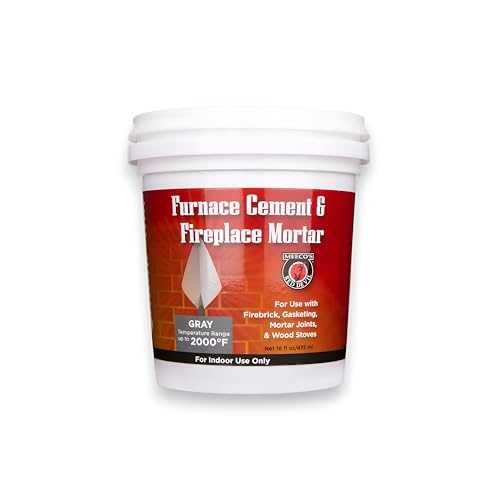
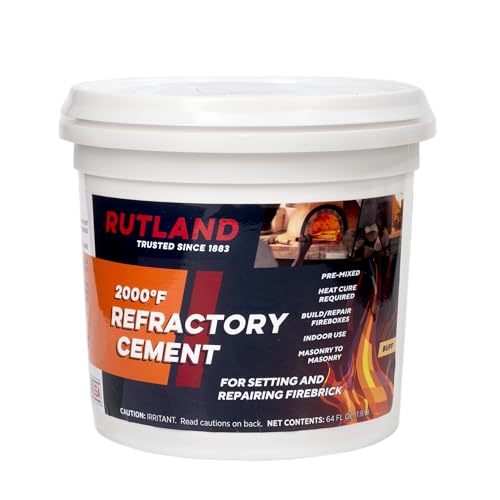
- Pre-Mixed Mortar: Ready to use straight from the bucket. It is convenient for small repairs but has a shorter shelf life and is more expensive per unit of volume.
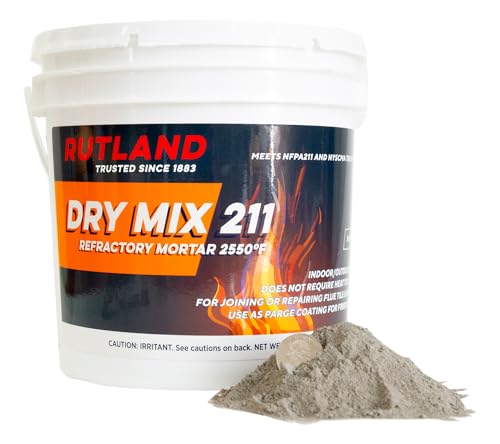
- Dry Mix Mortar: A powder that you mix with water on-site. It is more economical for large projects and has a longer shelf life. However, it requires careful measuring and mixing to achieve the correct consistency.
4. Refractory Cement vs. Refractory Mortar
The terms "refractory cement" and "refractory mortar" are often used interchangeably, but there is a technical difference:
- Refractory Mortar: Designed for bonding fire bricks together. It is typically finer and has a higher water content to allow for proper adhesion.
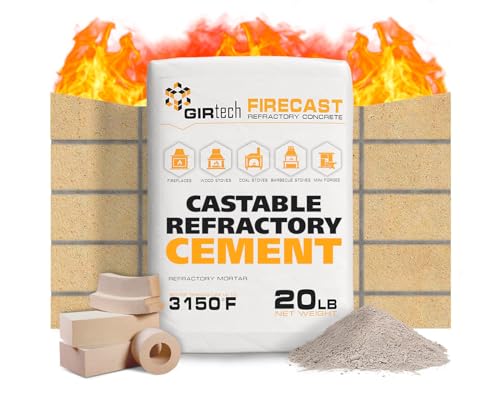
- Refractory Cement: A thicker, coarser material often used for coating or patching. It can be used to repair cracks in a firebox or to create a smooth surface over fire bricks.
| Type | Best For | Temperature Rating | Ease of Use |
|---|---|---|---|
| Air-Set Hydraulic Mortar | Residential fireboxes, DIY projects | Up to 2,000°F | Easy |
| Heat-Set Mortar | Industrial applications, high-heat environments | Up to 3,000°F+ | Difficult |
| Pre-Mixed Mortar | Small repairs, repointing | Varies (1,500°F–2,500°F) | Very Easy |
| Dry Mix Mortar | Large construction projects | Varies (1,500°F–3,000°F) | Moderate |
| Refractory Cement | Patching cracks, coating firebox | Up to 2,500°F | Moderate |
Where Is High Temperature Mortar Used?
High temperature mortar is used in a variety of applications within a fireplace system. Understanding these applications will help you determine which type of mortar you need for your specific project.
1. Bonding Fire Bricks in a Firebox
This is the most common use of high temperature mortar. Fire bricks line the inside of a firebox to protect the surrounding structure from heat. The mortar bonds these bricks together and fills the joints, creating a seamless, heat-resistant barrier. For this application, you need a mortar that can withstand the direct heat of the fire and has good adhesion properties.
2. Laying a Fire Brick Hearth
The hearth is the floor of the fireplace, and it is also typically lined with fire bricks. High temperature mortar is used to set these bricks in place. Because the hearth is directly exposed to the fire, the mortar must have excellent heat resistance. If you are building a new hearth, consider our guide to contemporary fireplace hearth ideas for design inspiration.
3. Chimney Construction and Repair
The chimney flue is exposed to high temperatures and corrosive gases. High temperature mortar is used to bond the flue tiles or bricks and to seal the joints. In some cases, a refractory mortar is used to coat the inside of the chimney to create a smooth, heat-resistant surface. This is often part of a chimney cleaning and repair project.
4. Installing a Wood Stove Insert
When installing a wood burning stove insert into an existing fireplace, high temperature mortar is used to seal the connection between the insert and the chimney liner. This prevents smoke and gases from leaking into the room. It is also used to fill any gaps around the insert.
5. Patching and Repairing Cracks
Over time, the mortar in a firebox or chimney can crack and deteriorate. High temperature refractory cement can be used to patch these cracks and restore the integrity of the firebox. This is a common part of fireplace maintenance and can extend the life of your fireplace. For more detailed repair guidance, see our article on fireplace insert replacement panels.
6. Outdoor Fireplaces and Fire Pits
High temperature mortar is also used in outdoor fireplaces and fire pits. While outdoor temperatures are lower than indoor fireboxes, the mortar still needs to withstand heat, rain, and freeze-thaw cycles. For outdoor projects, look for a mortar that is rated for outdoor use and has good weather resistance. If you are building an outdoor fireplace, our guide to outdoor fireplaces for screened porches may be helpful.
How to Choose the Right High Temperature Mortar
Selecting the right high temperature mortar for your project involves several factors. Here are the key considerations:
1. Temperature Rating
The most important factor is the temperature rating of the mortar. It must be able to withstand the maximum temperature your fireplace will reach. For a typical wood-burning fireplace, a mortar rated for 2,000°F is usually sufficient. However, if you have a high-efficiency insert or a wood stove that burns hotter, you may need a mortar rated for 2,500°F or higher.
2. Application Method
Consider how you will apply the mortar. If you are bonding fire bricks, you need a mortar with good adhesion and a consistency that allows for easy spreading. If you are coating a surface, you need a thicker, more sculptable cement. Pre-mixed mortars are convenient for small jobs, while dry mix mortars are more cost-effective for large projects.
3. Cure Time
Some mortars cure quickly, while others require a slow, controlled cure to prevent cracking. Air-set mortars are generally easier to cure because they do not require heat. Heat-set mortars require a gradual increase in temperature to cure properly, which can be challenging for DIYers.
4. Adhesion and Flexibility
The mortar must be able to bond to the specific type of brick or stone you are using. Some mortars are designed for fire bricks, while others are better for natural stone or concrete. Additionally, the mortar should have some flexibility to accommodate the slight expansion and contraction that occurs as the fireplace heats and cools.
5. Safety and Compliance
Ensure that the mortar you choose meets local building codes and safety standards. Some jurisdictions require specific types of mortar for fireplace construction. Check with your local building department if you are unsure. Also, look for mortars that are low in VOCs and safe for indoor use.
Pro Tip: When in doubt, consult a professional mason or fireplace installer. They can recommend the best mortar for your specific application and ensure that your installation is safe and code-compliant. If you are considering a DIY approach, read our guide to DIY vs. professional fireplace installation first.
How to Apply High Temperature Mortar
Applying high temperature mortar is a skill that requires patience and attention to detail. While the exact process varies depending on the application, here is a general overview of the steps involved in bonding fire bricks:
- Prepare the Surface: Clean the fire bricks and the area where they will be installed. Remove any dust, debris, or old mortar. The surface should be slightly damp but not wet.
- Mix the Mortar: If you are using a dry mix, follow the manufacturer's instructions for mixing. Add water gradually and mix until you achieve a smooth, peanut butter-like consistency. Let the mortar slake for 10–15 minutes, then mix again.
- Apply the Mortar: Use a trowel or a margin trowel to apply a thin, even layer of mortar to the back and sides of the brick. For fire brick joints, a thickness of 1/8 inch to 1/4 inch is typical.
- Set the Brick: Press the brick into place with a slight twisting motion to ensure good adhesion. Use a level to check that the brick is plumb and level. Remove any excess mortar with a trowel.
- Continue the Pattern: Continue laying bricks, staggering the joints for strength. Use spacers or a jointing tool to maintain consistent joint thickness.
- Clean Up: As you work, wipe away excess mortar with a damp sponge. Do not let mortar dry on the face of the bricks, as it can be difficult to remove later.
- Cure the Mortar: Follow the manufacturer's instructions for curing. Air-set mortars typically need to air-dry for 24–48 hours before being exposed to heat. Heat-set mortars require a gradual curing process with small fires.
For a more detailed guide on fireplace installation, see our article on fireplace installation overview.
Common Mistakes to Avoid
Working with high temperature mortar can be tricky, especially for first-timers. Here are some common mistakes to avoid:
- Using the Wrong Mortar: Never use standard masonry mortar or concrete in a firebox. It will fail under heat.
- Mixing Too Much Mortar: High temperature mortar has a limited working time. Mix only as much as you can use in 20–30 minutes.
- Applying Mortar Too Thick: Thick mortar joints are more prone to cracking. Keep joints between 1/8 inch and 1/4 inch.
- Skipping the Cure: Failing to cure the mortar properly can lead to cracking and weak bonds. Always follow the manufacturer's curing instructions.
- Not Wearing Safety Gear: High temperature mortar can be caustic and irritating to the skin and eyes. Wear gloves, safety glasses, and a dust mask when mixing.
Maintaining High Temperature Mortar
Once your fireplace is built and the mortar is cured, it is not entirely maintenance-free. Regular inspections can help you catch problems early and prevent costly repairs. Here is what to look for:
- Cracks: Small hairline cracks are normal, but larger cracks (wider than 1/8 inch) should be repaired promptly. Use a refractory cement to fill them.
- Crumbling or Spalling: If the mortar is crumbling or flaking, it may be a sign of excessive heat or moisture. This requires immediate attention.
- Loose Bricks: If any fire bricks are loose, do not use the fireplace until they are re-bonded. This is a safety hazard.
For a complete maintenance routine, see our guide to monthly and yearly fireplace maintenance. If you have a wood-burning fireplace, also review our tips for wood fireplace maintenance.
Ready to Build or Repair Your Fireplace?
Using the right high temperature mortar is just the first step. Explore our recommended products below to find the best mortar for your project.
See Recommended MortarsFrequently Asked Questions
What is the difference between refractory mortar and regular mortar?
Refractory mortar is specially formulated to withstand high temperatures, while regular mortar is not. Regular mortar will break down and crumble when exposed to the heat of a fireplace, leading to structural failure and safety hazards. Refractory mortar uses heat-resistant materials like fire clay and high-alumina cement to maintain its integrity under extreme heat.
Can I use high temperature mortar for an outdoor fireplace?
Yes, but you should choose a mortar that is specifically rated for outdoor use. Outdoor fireplaces are exposed to weather, including rain and freeze-thaw cycles. Look for a mortar that is both heat-resistant and weather-resistant. Some refractory mortars are designed for indoor use only, so always check the manufacturer's specifications.
How long does high temperature mortar last?
The lifespan of high temperature mortar depends on the quality of the mortar, the installation, and the operating conditions of the fireplace. In a well-maintained fireplace, high-quality refractory mortar can last for decades. However, if the fireplace is over-fired or exposed to moisture, the mortar may degrade more quickly. Regular inspections can help you catch problems early.
Can I repair cracked mortar myself?
Yes, small cracks can often be repaired with a refractory cement or mortar. Clean the crack, dampen the area, and apply the mortar according to the manufacturer's instructions. For larger cracks or structural damage, it is best to consult a professional mason. If you are unsure, read our guide to DIY fireplace feasibility.
Do I need to cure high temperature mortar?
Yes, curing is an essential step for most high temperature mortars. Air-set mortars typically need to air-dry for 24–48 hours before use. Heat-set mortars require a gradual curing process with small fires. Always follow the manufacturer's curing instructions to ensure a strong, durable bond. Skipping the cure can lead to cracking and premature failure.