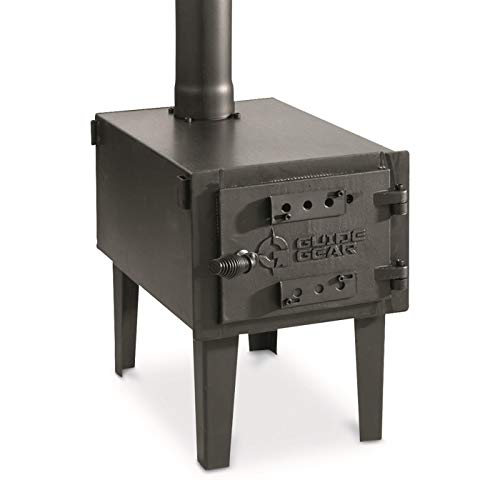
Converting a Fireplace to a Wood Stove: The Complete Guide
Transform your inefficient open fireplace into a powerful, eco-friendly wood stove. Learn about the benefits, step-by-step installation, costs, and the best wood stove inserts to maximize your home's heating efficiency.
Start Your Conversion JourneyWhy Convert? Traditional open fireplaces are notoriously inefficient, sending up to 90% of their heat straight up the chimney. Converting to a wood stove insert can dramatically improve heating efficiency, reduce energy costs, and lower your home's carbon footprint.
Why Convert Your Fireplace to a Wood Stove?
An open fireplace may look charming, but it's one of the least efficient ways to heat a home. A wood stove to fit in fireplace offers a modern solution that combines the ambiance of a real fire with the heating power of a dedicated stove. Here's why homeowners are making the switch:
🔥 Superior Efficiency
Wood stoves can achieve efficiency ratings of 70% or higher, compared to the 10% or less typical of open fireplaces. This means more heat for your home and less wasted fuel.
🌱 Eco-Friendly Heating
Modern wood stoves burn cleaner, producing fewer emissions and less creosote buildup. Using sustainably sourced wood makes this a renewable heating option.
💰 Long-Term Savings
While the initial investment is significant, the reduced reliance on gas or electricity for heating can lead to substantial long-term savings on your energy bills.
🏠 Increased Home Value
A professionally installed wood stove is an attractive feature for potential buyers, especially in regions where heating costs are a concern.
🛡️ Enhanced Safety
Wood stoves are enclosed, reducing the risk of sparks and embers escaping into the room. Proper installation with a stainless steel chimney liner ensures safe operation.
🌡️ Better Heat Distribution
Many wood stoves come with blowers that circulate warm air throughout the room, providing more even heating than a traditional fireplace.
Is Your Fireplace Suitable for a Wood Stove Conversion?
Not all fireplaces are good candidates for a wood stove insert. Before you begin, assess your existing fireplace and chimney with these key factors in mind:
✅ Fireplace Size & Dimensions
Measure the opening, depth, and height of your fireplace. Most wood stove inserts are designed to fit standard masonry fireplaces, but larger or oddly shaped fireplaces may require a custom solution. A wood stove insert for prefab fireplace may have different requirements.
✅ Chimney Condition
The chimney must be structurally sound and free of cracks or blockages. A professional inspection is essential. You'll likely need a stainless steel chimney liner for wood stove to ensure safe venting.
✅ Clearances & Combustibles
Wood stoves require specific clearances from combustible materials like walls, floors, and furniture. Check local building codes and the stove manufacturer's specifications.
✅ Local Regulations
Many municipalities have regulations regarding wood stove installation, especially in areas with air quality concerns. Check with your local building department before proceeding. You may need a fireplace permit.
Step-by-Step Guide to Converting a Fireplace to a Wood Stove
Converting an open fireplace to a wood stove is a complex job best left to professionals. However, understanding the process helps you make informed decisions and communicate effectively with your contractor.
-
Professional Assessment & Planning
A certified chimney sweep or hearth professional will inspect your fireplace and chimney to determine feasibility. They'll measure the space, check for damage, and recommend the right size and type of wood stove insert for your needs. This is also the time to discuss installing a wood burning stove insert and any necessary modifications.
-
Selecting the Right Wood Stove Insert
Choose a wood stove insert that fits your fireplace dimensions and heating capacity needs. Consider factors like BTU output, efficiency rating, firebox size, and whether you want a catalytic or non-catalytic model. A high-efficiency wood stove with blower can distribute heat more effectively.
-
Chimney Preparation & Liner Installation
The existing chimney is thoroughly cleaned. A stainless steel liner is installed, running from the stove's flue collar to the top of the chimney. This liner is crucial for safe, efficient venting and is often required by code. The liner is typically insulated to improve draft and reduce creosote buildup.
-
Modifying the Fireplace Opening
In some cases, the fireplace opening may need to be modified to accommodate the insert. This could involve removing part of the damper frame or masonry. The goal is to create a proper seal between the insert and the fireplace opening to prevent heat loss.
-
Installing the Wood Stove Insert
The insert is carefully slid into place and connected to the chimney liner. A faceplate or surround is attached to cover the gap between the insert and the fireplace opening, providing a finished look. The entire installation must be sealed to prevent smoke from entering the room.
-
Connecting Blower & Electrical (If Applicable)
If your wood stove insert has a blower, it will be wired to a nearby power source. Some models also offer thermostatic controls for automated operation. This step ensures optimal heat distribution.
-
Final Inspection & Testing
The installer will perform a final inspection to ensure all connections are secure, clearances are met, and the stove operates correctly. They'll also test the draft and provide you with operating instructions. A building inspector may need to approve the installation.
Pros and Cons of Converting to a Wood Stove
Before committing to a conversion, weigh the advantages against the potential drawbacks:
✅ Advantages
- Dramatically improved heating efficiency (up to 70%+ vs. 10% for open fireplaces)
- Reduced energy bills and reliance on fossil fuels
- Lower environmental impact with cleaner-burning technology
- Increased home value and appeal
- Enclosed fire for enhanced safety
- Available with blowers for better heat distribution
- Can use renewable, carbon-neutral wood fuel
❌ Disadvantages
- High upfront installation costs
- Requires regular maintenance, including ash removal and chimney cleaning
- Need for seasoned firewood storage
- Potential local regulations and permit requirements
- Loss of the open-fire aesthetic
- Requires professional installation for safety and code compliance
- May not be suitable for all fireplace types
Cost of Converting a Fireplace to a Wood Stove
The total cost of converting a fireplace to a wood stove depends on several factors, including the type of stove you choose, the complexity of the installation, and your location. Here's a breakdown of the main cost components:
| Component | Description | Relative Cost Tier |
|---|---|---|
| Wood Stove Insert | The stove itself, ranging from entry-level to premium models with advanced features like catalytic converters and thermostatic blowers. | Entry-level to Luxury |
| Chimney Liner | A stainless steel liner is almost always required. Cost depends on chimney height and liner material. | Mid-range to Premium |
| Installation Labor | Professional installation by a certified technician. More complex jobs cost more. | Mid-range to High-end |
| Permits & Inspection | Required in many jurisdictions. Fees vary widely. | Budget-friendly to Mid-priced |
| Accessories | Blowers, thermostats, hearth pads, and tools. | Affordable to Mid-tier |
For a more detailed breakdown, see our guide on the wood burning fireplace insert installation cost. Keep in mind that while the upfront investment can be significant, the long-term savings on heating can offset the initial expense.
Choosing the Right Wood Stove Insert for Your Fireplace
Selecting the right insert is crucial for performance, efficiency, and safety. Here are the key factors to consider:
📏 Size & BTU Output
Match the stove's heating capacity to your room size. A stove that's too small won't heat effectively, while one that's too large will burn inefficiently. Use our BTU guide to determine your needs.
🔥 Efficiency Rating
Look for stoves with high efficiency ratings (70% or higher). Catalytic and non-catalytic models offer different trade-offs in terms of efficiency, maintenance, and cost. For top performance, consider a high-efficiency wood burning fireplace insert.
💨 Blower & Features
A blower is highly recommended to circulate heat. Other useful features include thermostatic controls, ash pans, and glass doors with air wash systems.
🏗️ Construction & Durability
Cast iron and steel are the most common materials. Cast iron radiates heat well, while steel heats up faster. Look for quality construction and a good warranty.
🎨 Style & Aesthetics
Wood stove inserts come in various styles, from traditional to contemporary. Choose one that complements your home's decor. Some models even feature a wood burning stove that looks like a fireplace for a classic look.
📜 Certification & Compliance
Ensure the stove is certified by a recognized agency (e.g., EPA in the US) and meets local emission standards. This is not just a legal requirement but also a guarantee of cleaner burning.
Maintaining Your Wood Stove After Conversion
Proper maintenance is essential to keep your wood stove operating safely and efficiently. Here are the key tasks:
🧹 Regular Cleaning
Remove ashes regularly (at least once a week during heavy use). Clean the glass door with a specialized cleaner. Inspect the firebox for signs of wear. Follow our wood fireplace maintenance tips for a detailed routine.
🔍 Annual Inspection
Have a certified chimney sweep inspect and clean the chimney and liner annually. They will check for creosote buildup, blockages, and damage. See our guide on annual fireplace inspection.
🪵 Burning Seasoned Wood
Only burn dry, seasoned hardwood. Green or wet wood creates more smoke, creosote, and less heat. Learn about proper ash removal and disposal.
⚙️ Checking Gaskets & Seals
Inspect door gaskets and seals for wear. Replace them as needed to prevent air leaks, which can reduce efficiency and safety.
Frequently Asked Questions
Can I convert my fireplace to a wood stove myself?
While some homeowners with advanced DIY skills may attempt it, professional installation is strongly recommended. Wood stove installation involves complex venting, clearance, and safety considerations that are best handled by a certified professional. Improper installation can lead to fire hazards, carbon monoxide poisoning, and voided insurance. Learn more about DIY vs professional fireplace installation.
How much does it cost to convert a fireplace to a wood stove?
The cost varies widely based on the stove model, liner requirements, and labor. It's a significant investment, but the long-term savings on heating can be substantial. For a detailed breakdown, refer to our fireplace cost breakdown.
Do I need a chimney liner for a wood stove insert?
Yes, in almost all cases. A stainless steel liner is required to safely vent the stove and protect your chimney from heat and creosote. It also improves draft and efficiency. A stainless steel chimney liner for wood burning fireplace is a standard part of the conversion.
Will a wood stove insert heat my whole house?
A wood stove insert is primarily designed to heat the room it's in, but with a blower and good air circulation, it can contribute to heating adjacent spaces. Whether it can heat your entire house depends on your home's layout, insulation, and the stove's capacity. See our article on can a fireplace heat an entire house.
What is the difference between a wood stove insert and a freestanding wood stove?
A wood stove insert is designed to fit into an existing fireplace opening, while a freestanding stove stands independently and requires its own venting system. Inserts are a great way to upgrade an existing fireplace, while freestanding stoves offer more placement flexibility. Compare built-in vs freestanding options.
Can I convert a gas fireplace to a wood stove?
Converting a gas fireplace to a wood stove is more complex and may not always be feasible. It involves capping the gas line, ensuring the chimney is suitable for wood burning, and addressing different venting requirements. This is a job for a professional. You might also consider converting a gas fireplace to wood burning stove as an alternative.
How often do I need to clean my wood stove chimney?
The chimney should be inspected annually and cleaned as needed. The frequency of cleaning depends on how often you use the stove and the type of wood you burn. Burning seasoned wood and maintaining proper airflow reduces creosote buildup. See our chimney cleaning guide.
Are wood stoves environmentally friendly?
Modern EPA-certified wood stoves are much cleaner burning than older models and open fireplaces. They produce fewer emissions and are considered a renewable heating source when using sustainably harvested wood. Learn more about most energy-efficient fireplace types.
Ready to Make the Switch?
Converting your fireplace to a wood stove is a smart investment in comfort, efficiency, and sustainability. Explore our recommended wood stove inserts below and find the perfect match for your home.
View Recommended Wood Stoves