Wood Burning Cast Iron Stoves for Sale
Your complete guide to choosing the perfect cast iron wood stove. Learn about construction, sizing, efficiency, and installation to make an informed purchase for your home.
View Recommended StovesWhy Cast Iron? For centuries, cast iron has been the preferred material for wood-burning stoves. Its exceptional heat retention and even distribution create a uniquely comfortable warmth that continues long after the fire has died down. This guide will help you navigate the options and find the ideal stove for your needs.
The Enduring Appeal of Cast Iron Wood Stoves
A wood burning cast iron stove is more than just a heating appliance; it's a centerpiece that combines timeless aesthetics with robust performance. Unlike steel stoves that heat up and cool down quickly, cast iron's dense molecular structure allows it to absorb heat slowly and radiate it evenly over a long period. This thermal mass is the secret behind the steady, penetrating warmth that cast iron enthusiasts cherish. If you are exploring the broader world of heating options, understanding the different types of fireplaces can provide valuable context.
Beyond performance, these stoves offer a visual appeal that is hard to match. From ornate, vintage designs to sleek, modern lines, a cast iron stove serves as a functional piece of art. When considering a new heating source, it's worth reviewing the general fireplace pros and cons by type to see how a wood stove fits into your home's ecosystem.
Key Considerations Before You Buy
Before purchasing a stove, you need to answer several critical questions about your space, your needs, and your home's infrastructure. Taking the time to research now will ensure you select a stove that is safe, efficient, and perfectly suited to your lifestyle.
1. Sizing and BTU Output
Choosing the right size is the most important step. An oversized stove will force you to run it at low, inefficient settings, creating excess smoke and creosote. An undersized stove won't heat your space adequately.
- Square Footage: Measure the area you want to heat.
- Insulation & Climate: A well-insulated home in a moderate climate needs fewer BTUs than an older home in a harsh winter region.
- BTU Guide: As a general rule, you need roughly 30-60 BTUs per square foot. Our detailed heating capacity and BTU guide can help you fine-tune this calculation.
- Open Concept: For large, open floor plans, consider fireplace sizing for open concept rooms.
2. Efficiency Ratings
Modern wood stoves are vastly more efficient than older models. Look for stoves that are EPA-certified. A higher efficiency rating means you get more heat from less wood, saving you time and resources.
- Catalytic vs. Non-Catalytic: Catalytic stoves use a converter to reburn smoke, achieving high efficiency and low emissions. Non-catalytic stoves use a complex internal baffle system. Both are effective.
- Efficiency & Savings: Investing in a high-efficiency model is a key strategy. Learn more about the most energy-efficient fireplace types to understand long-term savings.
- Long-Term Value: A high-efficiency stove may have a higher upfront cost, but it can save you money over time. Explore the long-term costs of different fireplaces.
3. Installation and Venting
Proper installation is non-negotiable for safety and performance. You must determine if you have an existing chimney or if you need a new one.
- Chimney Requirements: A wood stove requires a properly sized and insulated chimney to create the correct draft. If you're wondering, "do you need a chimney or vent for a fireplace?", the answer for a wood stove is a definitive yes.
- Installation Type: You can install a stove as a freestanding unit or use an insert. Freestanding stoves are typically more efficient.
- DIY vs. Professional: While some homeowners might consider a DIY installation, the complexity of clearances, venting, and local codes makes a professional installation highly recommended. See the diy vs professional fireplace installation guide for more details.
4. Maintenance and Lifespan
A quality cast iron stove, when properly maintained, can last for generations. Regular upkeep is simple but essential.
- Routine Care: This includes regular ash removal, cleaning the glass, and checking door gaskets. Follow our wood fireplace maintenance guide.
- Creosote Prevention: The biggest maintenance concern is creosote buildup in the chimney. Using dry, seasoned wood and burning hot fires will minimize this. Learn more about creosote buildup prevention.
- Lifespan: With good care, a cast iron stove can last for decades. For more information, read about the lifespan of a fireplace or stove.
Types of Wood Burning Cast Iron Stoves
The market offers a range of styles to match your home's decor and your heating needs. While all share the benefits of cast iron, their designs and features vary significantly.
| Stove Type | Quality Tier | Best For | Key Features |
|---|---|---|---|
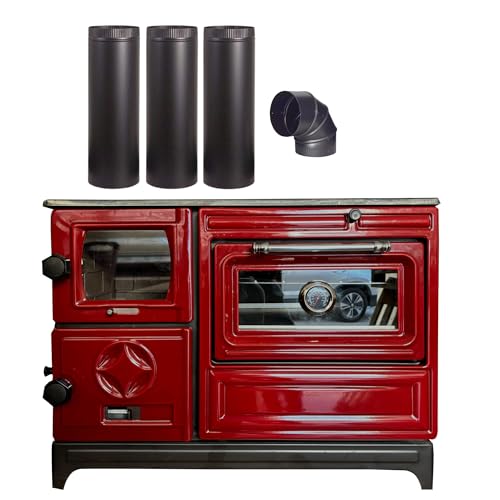
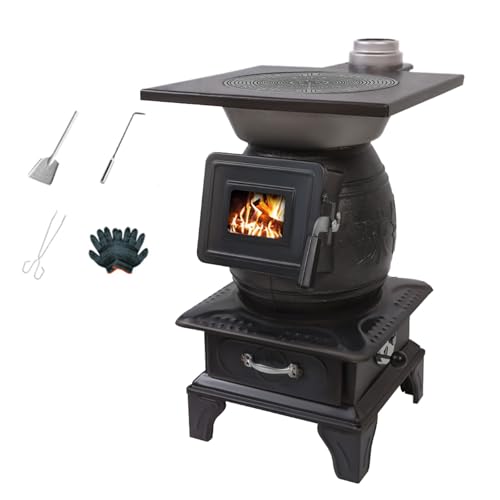
| Vintage & Antique Reproductions | Premium / Luxury | Aesthetic focal points, traditional and farmhouse-style homes. | Ornate detailing, classic designs, high thermal mass. These are often restored or faithfully reproduced models like an antique cast iron wood burning stove for sale. |
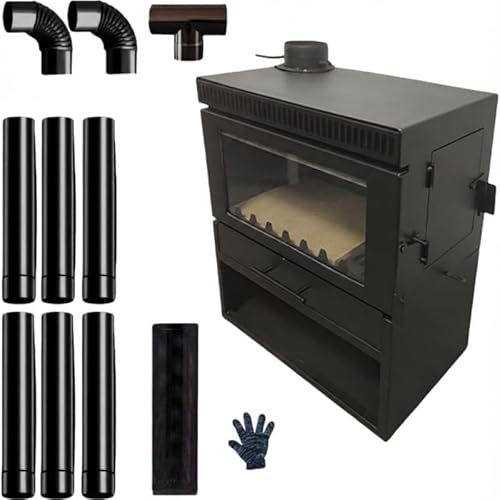
| Modern & Contemporary | Mid-Range to Premium | Modern, minimalist, and industrial-style homes. | Clean lines, large glass viewing windows, sleek handles, and often include efficiency features like blowers. |
| Efficient Heating Stoves | Entry-Level to Mid-Range | Primary or supplemental home heating. | Focus on EPA certification, high BTU output, and features like a blower to circulate heat. |
| Cooking Stoves | Mid-Range to Luxury | Off-grid living, emergency preparedness, and culinary enthusiasts. | Flat cooking surfaces, often with multiple burners. These are specialized outdoor wood burning stoves for cooking and indoor models. |
Installation Insights: What to Expect
Installing a wood stove is a significant project that involves more than just placing the unit. It requires careful planning to ensure safety and optimal performance. You'll need to consider hearth requirements, wall clearances, and the chimney system. For a comprehensive overview, our fireplace installation guide covers the essentials. If you are placing the stove into an existing fireplace opening, you might need a specific type of insert, such as a wood burning stove to fit in fireplace. It's crucial to understand the ventilation requirements for safe operation.
Maintenance Essentials for Longevity
Your cast iron stove will reward you with decades of service if you treat it well. A simple maintenance routine is key. This includes removing ashes regularly (and disposing of them safely), cleaning the glass door for a clear view of the fire, and checking the door gasket for a tight seal. Perhaps most importantly, you must have your chimney inspected and cleaned annually by a professional. Our fireplace maintenance schedule can help you stay on track, and you can also learn about how often to service a fireplace or stove.
Frequently Asked Questions
It depends on the size of your home and its layout. A large, high-BTU stove can certainly act as a primary heat source for a well-insulated home, especially if the floor plan is open. For more information, read our guide on whether a fireplace can heat an entire house.
Yes, when installed correctly and maintained properly, they are very safe. Modern stoves have numerous safety features. It's crucial to follow all manufacturer guidelines and local building codes. Understanding general fireplace safety tips is also helpful.
Always place cooled ashes in a metal container with a tight-fitting lid. Store the container outside, away from any combustible materials. Never place ashes directly into a trash can. Our ash removal and disposal guide provides detailed instructions.
Always burn dry, seasoned hardwood like oak, maple, or ash. "Seasoned" means the wood has been split and dried for at least 6-12 months. Burning unseasoned or "green" wood creates excessive smoke and creosote. You can learn more about preventing creosote in our dedicated guide.
While it is technically possible, we strongly recommend hiring a certified professional. The risks associated with improper installation—including house fires and carbon monoxide poisoning—are too great. A professional will ensure the stove meets all safety codes and operates efficiently. You can read more about the feasibility of DIY fireplace projects.