Gas Fireplace Mantels and Surrounds
Discover how to choose the perfect mantel and surround to transform your gas fireplace into a stunning focal point that complements your home's design.
EXPLORE OPTIONSWhy Mantels and Surrounds Matter: A gas fireplace is more than a heat source—it's a design opportunity. The right mantel and surround can elevate your fireplace from a functional appliance to a breathtaking centerpiece that defines your room's character and adds lasting value to your home.
Choosing the right gas fireplace mantels and surrounds is one of the most impactful design decisions you can make for your living space. Unlike wood-burning fireplaces that require extensive clearance and masonry work, gas fireplaces offer tremendous flexibility in how you frame and finish them. This guide will walk you through everything you need to know—from material selection and style considerations to sizing guidelines and installation tips—so you can make a confident, informed decision.
Whether you're renovating an existing fireplace or designing a new installation, understanding the relationship between your gas fireplace insert or unit and its surrounding architecture is essential. A well-designed surround not only enhances visual appeal but also ensures safety and proper functionality. If you're still exploring broader design possibilities, our fireplace mantel and surround ideas collection offers additional inspiration for every aesthetic.
Understanding Mantels vs. Surrounds
Before diving into materials and styles, it's important to clarify the distinction between these two key components:
- Fireplace Surround: The decorative facing that frames the firebox opening. It typically includes the legs (vertical sides) and the header (horizontal top piece) that sit closest to the fire. The surround must be made from non-combustible materials or maintain proper clearances from the heat source.
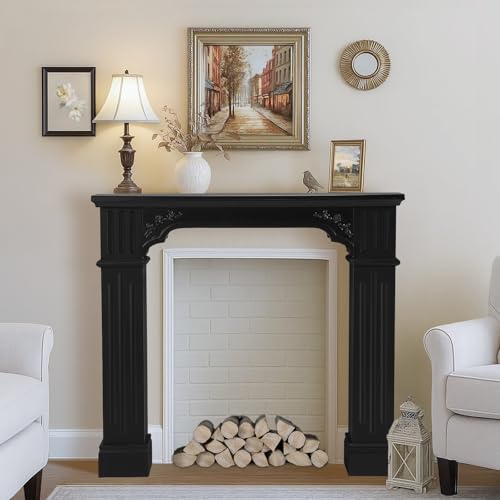
- Fireplace Mantel: The shelf and decorative structure that sits above and around the surround. The mantel is primarily decorative but can also provide display space for decor. While some mantels can be combustible (like wood), they must maintain specific clearance distances from the firebox, as determined by the manufacturer and local building codes.
Together, the mantel and surround create a cohesive architectural frame that draws the eye and anchors your fireplace within the room. For a broader look at how these elements come together across different design styles, explore our contemporary fireplace mantel ideas for modern inspiration.
Choosing the Right Material for Your Surround
The material you choose for your surround dramatically affects both the look and durability of your fireplace. Since gas fireplaces produce less intense heat than wood-burning units, you have more flexibility—but heat resistance is still important. Here are the most popular options:
| Material | Best For | Key Characteristics |
|---|---|---|
| Marble | Luxury and classic elegance | Natural veining, cool to the touch, premium appearance, requires sealing |
| Granite | Durability and modern styling | Extremely hard, heat-resistant, wide color range, low maintenance |
| Limestone | Soft, warm traditional looks | Natural matte finish, subtle texture, develops patina over time |
| Tile & Porcelain | Versatility and design flexibility | Endless patterns, easy to clean, budget-friendly to premium options |
| Cast Stone | Old-world charm and uniformity | Consistent color, custom shapes available, durable |
| Metal (Steel/Aluminum) | Contemporary and industrial styles | Sleek lines, excellent heat resistance, custom fabrication possible |
| Concrete | Modern minimalist aesthetics | Custom pours, industrial look, can be polished or raw |
For a deep dive into heat-resistant options, see our guide on fire-resistant tiles for fireplaces. If you prefer a natural stone look, our article on custom limestone fireplace surrounds explains the benefits of this classic material. For those seeking a sleek, modern finish, explore porcelain tile for fireplace hearth options that combine beauty with practicality.
Popular Styles for Gas Fireplace Mantels
The style of your mantel should harmonize with your home's interior architecture. Here are the leading styles:
Modern & Contemporary
Clean lines, minimal ornamentation, and often floating or wall-mounted designs. Materials like polished stone, metal, and glass are common. A contemporary fireplace mantel shelf often features a simple, linear profile. For a dramatic modern look, consider a floating mantel with hidden storage that keeps the aesthetic uncluttered.
Traditional & Classic
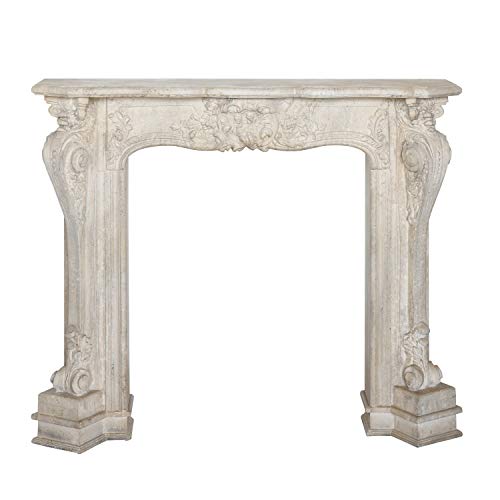
Ornate details, carved wood or stone, and symmetrical proportions. A white fireplace mantel and surround can create a timeless, elegant look that brightens any room. Natural wood options like a natural wood fireplace mantel shelf add warmth and authenticity.
Farmhouse & Rustic
Distressed finishes, reclaimed wood, and simple, sturdy forms. A modern farmhouse fireplace surround blends rustic charm with clean, updated lines. Pair with unfinished wood fireplace surrounds for a customizable, natural look.
Mission & Craftsman
Straight lines, exposed joinery, and natural materials. Mission style fireplace mantels and surrounds emphasize honest construction and earthy tones.
Sizing and Proportion Guidelines
A mantel or surround that's out of proportion can make even a beautiful fireplace look awkward. Use these guidelines to get it right:
- Surround Width: The surround should extend at least 6–12 inches beyond the firebox opening on each side for visual balance.
- Mantel Height: The mantel shelf should sit at least 12 inches above the top of the firebox, or as specified by your gas fireplace manufacturer for clearance.
- Mantel Depth: A depth of 6–12 inches provides useful display space without overwhelming the wall.
- Room Scale: In large rooms with high ceilings, a taller, more substantial mantel works well. In smaller rooms, a sleeker, lower profile is better.
For a comprehensive look at matching your fireplace to your room's dimensions, consult our fireplace proportions and room shape guide and our fireplace sizing for open concept rooms article.
Installation and Safety Considerations
Installing a mantel and surround around a gas fireplace requires attention to clearance requirements and building codes:
- Clearance to Combustibles: Always follow the manufacturer's specifications for your gas fireplace. These clearances dictate how close combustible materials (like wood mantels) can be to the firebox.
- Non-Combustible Backing: For surrounds, use non-combustible materials like cement board behind tile or stone. Our guide on heat-resistant boards for fireplace explains your options.
- Adhesives and Mortar: Use heat-resistant mortar for fireplace applications to ensure a durable, safe bond.
- Professional vs. DIY: While some surround and mantel installations are DIY-friendly, complex projects or those involving gas line work should be handled by professionals. Learn more in our DIY vs professional fireplace installation comparison.
If you're working with an existing fireplace and considering changes, our replacing fireplace doors and frame guide covers related updates. For those building a surround from scratch, see DIY fireplace surround for electric fireplace—many principles apply to gas units as well.
Integrating Your Mantel with Surrounding Design
Your gas fireplace mantel and surround don't exist in isolation. Consider how they interact with other elements:
- TV Placement: If you plan to mount a TV above your fireplace, ensure your mantel design accommodates this. Read our TV above fireplace safety guide for important considerations.
- Built-in Shelving: A fireplace surround with bookshelves creates a cohesive wall unit. For more ideas, see our fireplace with bookshelves on each side ideas.
- Entertainment Centers: A fireplace entertainment center with bookshelves combines media storage with your fireplace focal point. Explore built-in entertainment center with fireplace ideas for inspiration.
For those creating a complete wall design, our entertainment walls with fireplaces article provides comprehensive guidance on merging function and style.
Maintaining Your Mantel and Surround
Proper care keeps your mantel and surround looking beautiful for years:
- Stone and Tile: Clean with pH-neutral cleaners. Seal natural stone periodically. Our clean fireplace brick and stone guide offers detailed methods.
- Wood Mantels: Dust regularly and use appropriate wood cleaners. Avoid excessive moisture.
- Inspection: Periodically check for cracks, loose tiles, or signs of heat damage. Our annual fireplace inspection guide covers what to look for.
- Seasonal Care: Include your mantel and surround in your seasonal fireplace checklist to stay ahead of maintenance needs.
For gas fireplace-specific maintenance, see our gas fireplace maintenance guide.
Frequently Asked Questions
Can I use any mantel with a gas fireplace?
Not all mantels are suitable for gas fireplaces. Combustible mantels (like wood) must maintain specific clearance distances from the firebox, as specified by your fireplace manufacturer and local building codes. Non-combustible materials offer more flexibility. Always verify clearance requirements before installation.
What is the best material for a gas fireplace surround?
The best material depends on your style preference and budget tier. Marble and granite offer luxury and durability. Tile provides versatility and design flexibility. Cast stone and concrete offer custom, modern looks. For heat resistance and safety, all materials must meet non-combustibility requirements or maintain proper clearances.
How high should a mantel be above a gas fireplace?
Typically, the mantel should be at least 12 inches above the top of the firebox. However, this distance varies by manufacturer and fireplace model. Always consult your specific gas fireplace installation manual for exact clearance requirements to ensure safety.
Can I install a mantel and surround myself?
Some mantel and surround installations are DIY-friendly, especially those using tile or pre-fabricated surrounds. However, projects involving complex stonework, electrical work, or gas line modifications should be handled by professionals. Assess your skills and the complexity of the project before deciding.
Do I need a mantel for my gas fireplace?
No, a mantel is not required for functionality. However, a mantel and surround significantly enhance the aesthetic appeal of your fireplace, provide display space, and can increase your home's value. Many homeowners consider them essential for a finished, polished look.
Ready to Transform Your Gas Fireplace?
Explore our recommended gas fireplace mantels and surrounds below to find the perfect fit for your home.
VIEW RECOMMENDATIONS