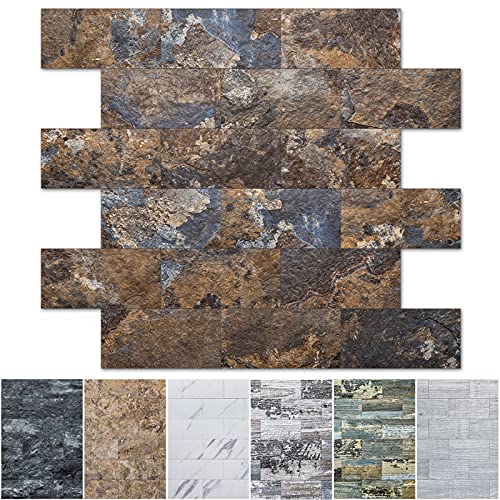
Heat Resistant Tiles for Fireplaces
Your complete guide to choosing the safest, most durable, and stylish tiles for your fireplace surround and hearth.
Explore the GuideWhy Tile Matters: The right tile is not just about aesthetics. It's a critical safety component that must withstand intense heat without cracking, discoloring, or posing a fire hazard. This guide will help you choose with confidence.
Why You Need Specialized Tiles for Your Fireplace
A fireplace is a focal point, but it's also a source of extreme heat. Standard wall tiles are not designed for this environment. They can crack, shatter, or even release toxic fumes when exposed to high temperatures. Heat resistant tiles, often called high-temperature or fireproof tiles, are specifically engineered to handle thermal stress.
Choosing the right material is crucial whether you are updating a traditional wood fireplace remodel or finishing a new gas fireplace installation. The tile you select for the surround and hearth must be able to endure radiant heat, direct contact with embers, and the rapid temperature changes that occur during a fire. This guide will walk you through the best options, their pros and cons, and how to make a choice that is both beautiful and safe.
Top Materials for Fireplace Tiles
Not all tiles are created equal. Here are the most common and effective materials for fireplace applications, each with unique characteristics.
1. Porcelain Tiles
Porcelain is a type of ceramic made from denser clay and fired at higher temperatures, making it exceptionally hard and non-porous. This density gives it excellent heat resistance and makes it less likely to crack under thermal shock. It's a top choice for both modern and traditional designs.
- Pros: Highly durable, water-resistant, wide range of styles (can mimic stone, wood, or concrete), easy to clean.
- Cons: Can be more expensive than basic ceramic, heavier, and requires a professional for cutting and installation.
2. Ceramic Tiles
Ceramic tiles are a popular and often budget-friendly option. They are made from clay and fired in a kiln. While they can withstand heat, they are less dense than porcelain and more prone to cracking if exposed to sudden, extreme temperature changes.
- Pros: Affordable, available in countless colors and patterns, relatively easy to install with the right tools.
- Cons: Less durable than porcelain, can chip or crack more easily, may not be suitable for the hearth area directly in front of the fire.
3. Natural Stone Tiles
Materials like granite, slate, marble, and travertine are naturally heat resistant. Their unique, natural beauty adds a touch of luxury and permanence to any fireplace. However, their porosity varies. Stone fireplace wall ideas are very popular for creating a rustic or elegant look.
- Pros: Unmatched natural beauty, each tile is unique, extremely durable when properly sealed.
- Cons: Porous (requires regular sealing), can be expensive, heavier than ceramic or porcelain, and may not handle thermal shock as well as porcelain.
4. Glass Tiles
Glass tiles are a stylish, modern option that can reflect the firelight beautifully. They are non-porous and can handle high temperatures, but not all glass is created equal. You must specifically look for "heat-resistant" or "fireplace-rated" glass tiles. Tempered glass is essential. The reflective quality of glass can make a space feel larger and brighter.
- Pros: Sleek, modern aesthetic, easy to clean, reflects light.
- Cons: Can be expensive, shows smudges and soot easily, not suitable for all styles, and requires careful installation.
5. Metal Tiles
Stainless steel, copper, and other metal tiles offer a very contemporary, industrial look. They are excellent heat conductors and reflectors. They are highly durable but can show scratches and fingerprints.
- Pros: Very modern, excellent heat reflection, durable.
- Cons: Can be expensive, shows scratches and fingerprints, requires special cleaning products.
For a comprehensive look at how tiles fit into a full design, see our guide on Fireplace Tile Ideas. If you're planning a renovation, our article on DIY Fireplace Tile can help you decide if it's a project you want to tackle yourself.
Key Factors When Choosing Fireplace Tiles
Beyond material, several other factors will influence your decision. Understanding these will ensure you get the right tile for your specific setup.
1. Heat Rating and Application Area
The fireplace surround and the hearth are two different zones. The surround (the wall around the firebox) experiences high radiant heat but no direct contact with fire. The hearth (the floor area in front) is subject to direct contact with embers, sparks, and hot ash. Always check a tile's PEI (Porcelain Enamel Institute) rating. A PEI rating of 4 or 5 is recommended for floor and high-traffic applications. For the immediate hearth, you may need a material specifically rated for direct flame contact, like firebrick.
2. Thermal Shock Resistance
Thermal shock is the stress a material undergoes when its temperature changes rapidly. A tile that doesn't handle thermal shock well will crack. Porcelain tiles are generally the most resistant to thermal shock among the common tile types. Natural stones can be more susceptible unless they are a type like soapstone.
3. Style and Aesthetics
This is where you can really make your fireplace your own. The tile you choose can define the entire room's character. A sleek, large-format porcelain tile can create a modern, seamless look, while a mosaic of small ceramic tiles can add intricate detail and color. The texture and finish (matte, glossy, textured) will also impact the final look.
4. Grout and Adhesive
The tiles are only as good as the materials holding them together. Standard grout and thinset are not designed for high-heat environments and will fail. You must use a high-temperature thinset and a heat-resistant grout (often a cement-based grout with a latex additive or an epoxy grout). This is a non-negotiable step for safety and longevity. Using the wrong materials can undermine even the best tiles.
Proper installation is critical. For a detailed walkthrough, our Fireplace Installation Guide Overview is a great starting point. If you're working with a specific type, our DIY Fireplace Surround for Electric Fireplace article provides step-by-step instructions. For new builds, check our Fireplace Buying Guide.
Quick Comparison of Tile Materials
Here is a side-by-side look at how the most popular materials stack up. This can help you quickly narrow down your options based on your primary needs.
| Material | Heat Resistance | Durability | Maintenance | Relative Cost Tier |
|---|---|---|---|---|
| Porcelain | Excellent | Excellent | Low | Mid-range to Premium |
| Ceramic | Good | Good | Low | Budget-friendly |
| Natural Stone | Very Good (varies) | Excellent | Moderate (sealing) | Premium to Luxury |
| Glass | Good (if rated) | Good | Moderate (smudges) | Mid-range to Premium |
| Metal | Excellent | Very Good | Moderate (scratches) | Mid-range to Premium |
Note: "Relative Cost Tier" is a general guide. Actual product positioning varies by brand, design, and retailer.
Installation and Maintenance Tips
Proper installation is paramount for safety and performance. Always use a high-temperature, flexible thinset mortar and a heat-resistant grout. These are specifically designed to expand and contract with the intense heat cycles of a fireplace without failing. Allow the installation to cure completely before lighting your first fire. The curing time can be several days to a week, so plan accordingly.
For maintenance, regular cleaning is key. Use a soft cloth and a pH-neutral cleaner. Avoid abrasive cleaners that can scratch the surface or dull the finish. For stone tiles, re-sealing every year or two is necessary to maintain their stain resistance. For any wood-burning fireplace, maintaining a clean burn will reduce soot and creosote buildup on the tiles. Our guide on Creosote Buildup: Signs & Prevention and Fireplace Maintenance Checklist are valuable resources.
Choosing the right material is one part of the puzzle. Understanding the full Fireplace Cost Breakdown can help you budget for your entire project, including tiles, materials, and labor. For those looking for a complete upgrade, exploring Fireplace Remodel Before and After projects can provide inspiration.
Frequently Asked Questions
Can I use regular wall tiles for my fireplace surround?
No, it is not recommended. Regular wall tiles are not designed to withstand the high, fluctuating temperatures of a fireplace. They can crack, break, or release harmful fumes. Always use tiles specifically rated for high-heat applications.
What is the best tile for a wood-burning fireplace hearth?
The hearth requires a material with high thermal shock resistance and the ability to handle direct contact with embers. Porcelain tiles with a high PEI rating (4 or 5) are an excellent choice. Natural stone like granite or slate is also very durable but requires sealing. For the most extreme heat, consider using firebrick in the immediate firebox area.
Do I need a special grout for my fireplace tiles?
Absolutely. Standard grout will crack and crumble under the heat. You must use a high-temperature grout, such as a cement-based grout mixed with a heat-resistant latex additive, or an epoxy grout. Always check the manufacturer's temperature rating.
How do I clean heat-resistant tiles?
For most materials, a soft cloth or sponge with warm water and a pH-neutral cleaner is sufficient. Avoid abrasive pads or harsh chemical cleaners, which can damage the tile's finish or grout. Clean up soot and ash promptly to prevent staining.