Porcelain Tile for Fireplace Hearth
Your complete guide to choosing, installing, and maintaining porcelain tile for a beautiful, durable, and heat-resistant fireplace hearth.
Why Porcelain Tile? When it comes to fireplace hearths, porcelain tile stands out as a premium choice. Its exceptional heat resistance, remarkable durability, and versatile design options make it a favorite among homeowners and designers alike. This guide will walk you through everything you need to know to make an informed decision.
What Makes Porcelain Tile Ideal for Fireplace Hearths?
Porcelain tile is a type of ceramic tile made from refined clay and fired at extremely high temperatures, typically between 1,200°C and 1,400°C. This manufacturing process gives it a dense, non-porous structure that is significantly harder and more heat-resistant than standard ceramic tile. For a fireplace hearth, these properties are crucial, as the material must withstand intense radiant heat, potential ember contact, and years of foot traffic without showing wear.
Beyond its physical toughness, porcelain tile offers a level of aesthetic sophistication that can elevate any fireplace design. It can be manufactured to convincingly mimic natural stone, such as marble, slate, or travertine, as well as wood and concrete. This means you can achieve the look of a high-end custom hearth without the associated maintenance or cost of natural materials. If you are exploring different hearth material options, you might also consider fire-resistant tiles for fireplaces to compare their specific properties.
Key Benefits of Porcelain Hearth Tiles
🔥 Exceptional Heat Resistance
Porcelain tile is fired at temperatures far exceeding what a fireplace produces. It will not crack, warp, or discolor from radiant heat, making it a safe and permanent hearth surface.
💧 Low Water Absorption
With a water absorption rate of less than 0.5%, porcelain tile is highly resistant to moisture. This prevents staining, mold, and mildew, which is especially important for spillages or humid environments.
💪 Superior Durability
Porcelain is one of the hardest flooring materials available. It resists scratches, chips, and cracks from foot traffic, logs, and fireplace tools, ensuring your hearth looks new for decades.
🧼 Easy Maintenance
A simple sweep and occasional damp mop are all that's needed to keep porcelain tile clean. Its non-porous surface prevents dirt and soot from penetrating.
🎨 Versatile Design
Available in an endless array of colors, patterns, textures, and finishes—from matte to polished—porcelain tile can complement any decor style, from modern minimalist to rustic farmhouse.
💰 Long-Term Value
While entry-level porcelain tile is affordable, its longevity and low maintenance make it a cost-effective choice over time. Mid-range and premium options offer even greater design flexibility and performance.
Pros and Cons of Porcelain Tile Hearths
Advantages
- Outstanding heat resistance
- Highly durable and scratch-resistant
- Waterproof and stain-resistant
- Easy to clean and maintain
- Wide range of design options
- Can mimic natural stone or wood
- Long lifespan with minimal upkeep
Considerations
- Harder and colder underfoot than some materials
- Requires professional installation for best results
- Can be slippery when polished and wet
- Grout lines require periodic sealing
- Heavier than ceramic tile, may need substrate reinforcement
Porcelain vs. Other Hearth Materials
To help you make an informed decision, here is a comparison of porcelain tile with other common hearth materials.
| Material | Heat Resistance | Durability | Maintenance | Design Versatility |
|---|---|---|---|---|
| Porcelain Tile | Excellent | Excellent | Low | High |
| Natural Stone (Marble, Slate) | Very Good | Good | High (sealing required) | Medium |
| Ceramic Tile | Good | Moderate | Low | Medium |
| Concrete | Very Good | Good | Moderate (sealing) | Low |
| Brick | Excellent | Good | Moderate (cleaning) | Low |
For those considering a DIY approach to their hearth project, exploring options like DIY fireplace tile can provide valuable insights into installation techniques. Additionally, if you are working with an existing brick fireplace, you might find information on heat-resistant bricks for fireplace useful for understanding material compatibility.
Design Ideas for Porcelain Tile Hearths
Large Format Tiles
Using large-format porcelain tiles (e.g., 24"x24" or larger) creates a seamless, modern look with minimal grout lines. This is ideal for contemporary and minimalist fireplace designs.
Wood-Look Planks
Porcelain tiles that mimic wood planks offer the warmth and texture of wood without the fire risk. This is a perfect choice for rustic or farmhouse-style homes.
Marble-Effect Patterns
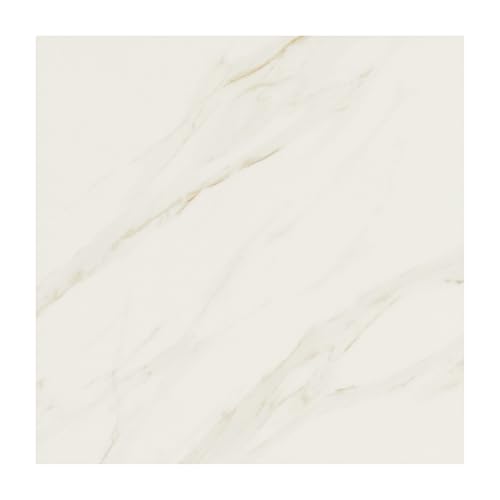
For a luxurious, elegant feel, marble-look porcelain tiles with veining patterns can replicate the grandeur of natural stone at a fraction of the cost.
Geometric or Patterned Tiles
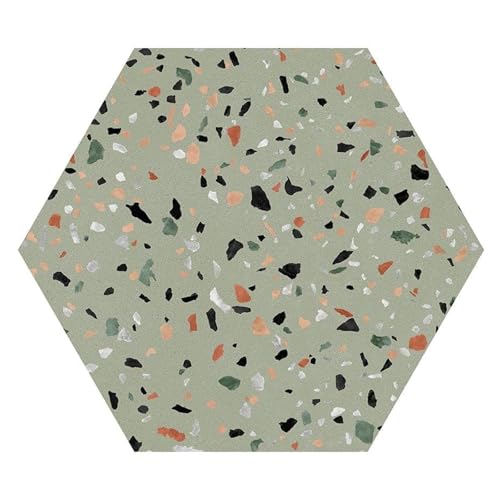
Encaustic-look or geometric patterned porcelain tiles can add a pop of color and personality, creating a stunning focal point for your living space.
Textured Finishes
Slate-look or stone-textured porcelain tiles provide a tactile, natural appearance and offer better slip resistance, making them a practical and stylish choice.
Border and Inlay Designs
Combine different colors or sizes of porcelain tile to create a custom border or inlay design around your hearth, adding a personalized touch.
Installation Tips for Porcelain Hearth Tile
Proper installation is critical to ensure the longevity and safety of your porcelain tile hearth. Here are key considerations:
- Substrate Preparation: Ensure the surface is clean, level, and structurally sound. For high-heat areas, a cement backer board is often recommended.
- Heat-Resistant Adhesive: Use a thin-set mortar specifically rated for high temperatures. Standard adhesives may fail under heat stress.
- Grout Selection: Choose a heat-resistant grout, such as an epoxy-based or modified cementitious grout, and seal it properly.
- Expansion Joints: Leave a small gap between the tile and the fireplace structure to allow for thermal expansion.
- Professional Installation: While DIY is possible, hiring a professional tile installer with experience in fireplace surrounds is highly recommended for a flawless and safe result.
If you are considering a broader renovation, our guide on DIY fireplace makeover can provide additional inspiration and practical steps. For those interested in the structural aspects, understanding heat-resistant mortar for fireplace applications is essential.
Maintaining Your Porcelain Tile Hearth
Porcelain tile is renowned for its low maintenance, but a little care goes a long way in preserving its beauty:
- Regular Cleaning: Sweep or vacuum the hearth regularly to remove dust and debris. Wipe with a damp cloth or mop using a mild, pH-neutral cleaner.
- Stain Removal: For stubborn stains, use a soft-bristled brush and a specialized porcelain tile cleaner. Avoid abrasive cleaners that can dull the surface.
- Grout Care: Periodically check grout lines for cracks or discoloration. Re-seal the grout every 1-2 years to maintain its protective barrier.
- Avoid Harsh Chemicals: Do not use bleach, ammonia, or acidic cleaners, as they can damage the tile and grout over time.
For comprehensive maintenance schedules, refer to our fireplace maintenance hub and specific guides like cleaning electric fireplace or clean fireplace brick & stone for related care tips.
Ready to Transform Your Fireplace Hearth?
Explore our recommended porcelain tiles and find the perfect match for your home.
View Recommended ProductsFrequently Asked Questions
Yes, porcelain tile is an excellent choice for a fireplace hearth. It is highly heat-resistant, durable, and available in a wide range of styles that mimic stone, wood, or concrete. Its low porosity makes it resistant to moisture and staining, and it is easy to clean.
Porcelain tile is fired at very high temperatures during manufacturing, making it extremely heat-resistant. It can easily withstand the radiant heat from a fireplace without cracking, warping, or discoloring, provided it is installed correctly with a suitable heat-resistant adhesive and grout.
For a fireplace hearth, a thickness of 3/8 inch to 1/2 inch (10mm to 12mm) is generally recommended. Thicker tiles offer greater durability and can handle more foot traffic. However, always check the manufacturer's recommendations for your specific fireplace type.
Installation involves preparing a level substrate, applying a heat-resistant thin-set mortar, laying the tiles with spacers, and grouting with a heat-resistant grout. For high-heat areas, it's crucial to use materials rated for the temperature. Consulting a professional installer is recommended for best results.
Yes, porcelain tile can be installed over a clean, sound concrete hearth. However, you must ensure the concrete is fully cured, level, and free of cracks or contaminants. A bonding primer and a suitable thin-set mortar are essential for proper adhesion.
The size of the tile should be proportional to the hearth and the room. Large-format tiles can make a small hearth look larger and create a seamless appearance. Smaller tiles with more grout lines can add texture and visual interest. Consider the overall design style of your home when making your choice.