Heat Resistant Mortar for Fireplace: The Complete Guide
Everything you need to know about choosing, mixing, and applying refractory mortar for fireplace repairs, new builds, and masonry projects that withstand extreme temperatures.
START LEARNINGWhy Heat Resistant Mortar Matters: A fireplace is only as strong as its weakest joint. Standard masonry mortar crumbles under repeated thermal cycling, leading to cracked fireboxes, dangerous gaps, and costly repairs. The right heat resistant mortar for fireplace applications ensures structural integrity, prevents smoke leaks, and extends the life of your masonry heater or open hearth for decades.
What Is Heat Resistant Mortar?
Heat resistant mortar — also called refractory mortar, fire clay mortar, or heat resistant cement — is a specially formulated bonding agent designed to withstand temperatures that would destroy ordinary Portland cement-based mortar. While standard mortar begins to degrade around 500°F (260°C), refractory mortars maintain their integrity at temperatures exceeding 2,000°F (1,093°C). This makes them essential for any fireplace application where direct flame or intense radiant heat is present.
The key difference lies in the chemistry. Refractory mortar uses calcium aluminate cements rather than calcium silicate cements, and includes aggregates like fire clay, silica, or alumina that resist thermal expansion and contraction. This composition allows the mortar to expand and contract at a rate similar to firebrick, preventing the joint from cracking during heat-up and cool-down cycles. If you're planning a DIY fireplace makeover or repairing an existing firebox, understanding these materials is critical.
🔹 Refractory Cement
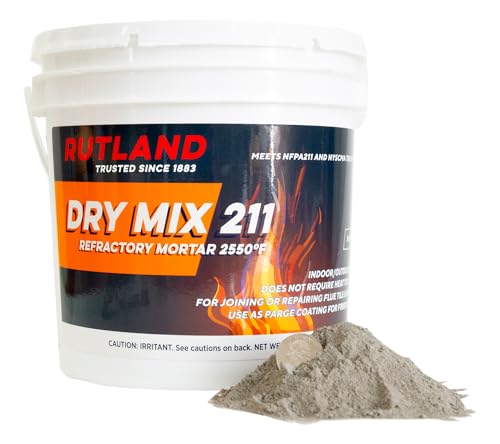
A pre-mixed hydraulic mortar that sets hard and offers excellent heat resistance. Ideal for firebox walls, chimney liners, and areas exposed to direct flame.
- Withstands up to 2,500°F (1,370°C)
- Hydraulic set — cures with water
- Best for structural firebox joints
🔹 Fire Clay Mortar
A traditional mixture of fire clay and sand, often combined with sodium silicate or Portland cement. Used for laying firebrick in older or historic fireplaces.
- Withstands up to 2,000°F (1,093°C)
- Air-set or heat-set options
- Excellent for tuckpointing and repairs
🔹 Air-Set Mortar
A modern refractory mortar that hardens at room temperature without needing a heat cure. Convenient for DIYers and small repairs.
- No heat curing required
- Good for thin joints (1/16" to 1/8")
- Easy to mix and apply
Types of Heat Resistant Mortar for Fireplaces
Not all refractory mortars are created equal. The right choice depends on your application, the type of masonry units you're bonding, and whether you're building new or repairing existing construction. Below is a breakdown of the most common types available to homeowners and professionals.
1. Hydraulic Refractory Mortar (Calcium Aluminate)
This is the gold standard for fireplace construction and repair. Hydraulic refractory mortar cures through a chemical reaction with water, similar to concrete, but uses calcium aluminate cement instead of Portland cement. It develops high strength and excellent heat resistance. Most hydraulic refractories require a gradual heat cure to reach full performance, but some modern formulations are air-set. This type is ideal for bonding firebrick in fireboxes, constructing chimney liners, and any joint that will see sustained high temperatures.
2. Air-Set Refractory Mortar
Air-set mortar hardens at ambient temperature without the need for a controlled heat-up schedule. This makes it far more forgiving for DIY installations and repairs where you can't easily fire the fireplace gradually. Air-set mortars are slightly more expensive than hydraulic types but offer convenience and reliable performance. They're excellent for fireplace troubleshooting repairs, tuckpointing, and setting firebrick in applications where a full heat cure isn't practical.
3. Heat-Set Mortar (Fire Clay + Sand)
Traditional heat-set mortar is a mixture of fire clay, sand, and sometimes a small amount of Portland cement or sodium silicate. It doesn't harden until exposed to heat, which means the joints remain somewhat workable during installation. This is the material used in many older fireplaces and is still favored by traditional masons. However, heat-set mortar can be less durable than modern hydraulic refractories and may require more frequent repointing. It's best reserved for historic restorations or when matching existing construction.
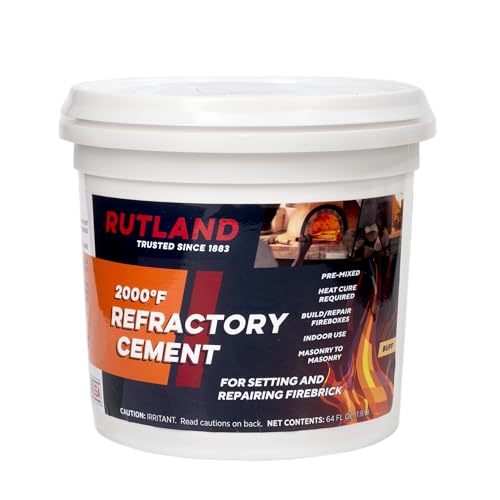
4. Pre-Mixed Refractory Mortar
Available in buckets or tubes, pre-mixed refractory mortar is ready to use and eliminates mixing errors. These products are typically air-set or hydraulic and are excellent for small repairs, crack filling, and DIY projects. They're more expensive per volume than dry mixes but offer unmatched convenience. For a DIY fireplace tile project or a quick firebox patch, pre-mixed mortar is a smart choice.
Heat Resistant Mortar Comparison
The table below compares the most common refractory mortar types across key performance criteria. Use this as a quick reference when selecting the right product for your fireplace project.
| Mortar Type | Max Temp | Set Method | Best For | Skill Level |
|---|---|---|---|---|
| Hydraulic Refractory | 2,500°F (1,370°C) | Water cure + heat cure | Firebox walls, chimney liners, structural joints | Professional / Advanced DIY |
| Air-Set Refractory | 2,200°F (1,200°C) | Air cure | Repairs, tuckpointing, thin joints | Intermediate DIY |
| Heat-Set Fire Clay | 2,000°F (1,093°C) | Heat cure | Historic restorations, traditional firebrick | Professional |
| Pre-Mixed Refractory | 2,000°F (1,093°C) | Air cure | Small repairs, crack filling, DIY | Beginner |
How to Choose the Right Heat Resistant Mortar
Selecting the correct mortar involves matching the product's temperature rating, set behavior, and joint thickness to your specific application. Consider the following factors before making a purchase.
For Small Repairs
If you're patching cracks, filling gaps, or repointing a few bricks, a pre-mixed air-set refractory mortar is the most practical choice. It requires no special mixing or curing and is forgiving for beginners.
- Pre-mixed convenience
- No heat cure needed
- Ideal for DIYers
For Firebox Rebuilding
When replacing firebrick or rebuilding a firebox, a hydraulic refractory mortar offers the best balance of performance and workability. It's more demanding than air-set but delivers superior durability.
- High temperature resistance
- Strong, durable joints
- Requires gradual heat cure
For Professional Installation
High-end refractory mortars with precise aggregate grading and consistent chemistry are favored by professionals for critical installations like chimney liners and commercial fireplaces.
- Consistent, reliable performance
- Excellent thermal shock resistance
- Long service life
How to Apply Heat Resistant Mortar
Proper application is just as important as product selection. Follow these steps for a successful fireplace mortar installation, whether you're building new or repairing existing masonry.
Prepare the Surface
Remove all loose mortar, soot, and debris from the joint. Wire-brush the area and dampen the surface with clean water — but don't soak it. A damp surface improves adhesion.
Mix the Mortar
Follow the manufacturer's instructions precisely. Add water gradually and mix to a smooth, peanut-butter consistency. Let it slake for 10–15 minutes, then remix before use.
Apply to the Joint
Use a margin trowel or pointing tool to press mortar into the joint. Fill completely, eliminating air pockets. For firebrick, keep joints between 1/16" and 1/8" thick.
Tool and Clean
Shape the joint with a jointer or trowel before the mortar sets. Wipe excess mortar from the brick face with a damp sponge. Avoid over-wetting the joint.
Cure Properly
Air-set mortars cure at room temperature for 24–48 hours. Hydraulic refractories require a gradual heat cure: start with a small fire and slowly increase over several days.
Common Mistakes to Avoid
Even experienced masons sometimes make errors when working with refractory mortar. Avoiding these pitfalls will save you time, money, and future repairs.
❌ Using Too Much Water
Adding excess water weakens the mortar and increases shrinkage. Mix only as much water as the manufacturer recommends, and never "loosen" a batch that's starting to set.
❌ Skipping the Heat Cure
Hydraulic refractories need a controlled heat-up to develop full strength. Firing a new firebox too hot too soon can cause explosive spalling and joint failure.
❌ Using the Wrong Mortar
Standard mortar, thin-set, or refractory castable (which is different from mortar) won't perform correctly in a firebox. Always use a product specifically labeled for fireplace use.
❌ Ignoring Joint Thickness
Firebrick joints should be thin — 1/16" to 1/8" — to accommodate thermal expansion. Thick joints are prone to cracking and reduced heat transfer.
Maintaining and Repairing Fireplace Mortar
Even the best heat resistant mortar for fireplace applications will eventually show signs of wear. Regular inspection and timely repairs are key to maintaining a safe, efficient fireplace. If you notice crumbling joints, gaps, or white streaks (efflorescence), it's time to act.
For minor cracks, a pre-mixed refractory mortar can be pressed into the joint with a pointing tool. For larger repairs, you may need to grind out the old mortar and repoint with fresh material. If the firebox is severely damaged, consider a full firebrick replacement or consult a professional. Regular fireplace maintenance — including annual inspections — will help you catch problems early. You can also learn more in our troubleshooting guide for common masonry issues.
When repointing, always match the mortar type to the existing brick. Using a harder mortar than the brick can cause the brick to crack during thermal cycling. Soft, porous firebrick requires a softer, more flexible mortar. Dense refractory brick can handle a stronger mix. If you're unsure, consult a masonry supply specialist or a professional chimney sweep.
Ready to Repair or Build Your Fireplace?
Choosing the right heat resistant mortar is the foundation of a safe, long-lasting fireplace. Explore our recommended refractory mortars and firebrick products below to find the best solution for your project.
VIEW RECOMMENDED PRODUCTSFrequently Asked Questions
What is the best heat resistant mortar for a fireplace?
The best choice is a hydraulic refractory mortar with a temperature rating of at least 2,000°F (1,093°C). For DIY repairs, an air-set refractory mortar offers convenience and reliable performance. Always match the mortar to your specific application — firebox, chimney, or decorative surround.
Can I use regular cement for a fireplace?
No. Standard Portland cement mortar breaks down at temperatures above 500°F (260°C), which is far below the temperatures reached in a fireplace. Using regular cement will lead to cracked joints, structural failure, and potential safety hazards. Always use a product labeled as refractory or heat resistant mortar.
How thick should fireplace mortar joints be?
Firebrick joints should be 1/16" to 1/8" (1.5 mm to 3 mm) thick. Thin joints allow for thermal expansion and contraction without cracking. For decorative brick or stone surrounds that don't see extreme heat, standard 3/8" joints may be acceptable, but refractory mortar is still recommended for any area near the firebox.
Do I need to heat cure refractory mortar?
It depends on the product. Hydraulic refractory mortars require a gradual heat cure — starting with a small fire and slowly increasing over several days — to develop full strength and prevent steam spalling. Air-set mortars cure at room temperature and don't require a heat cure, though a gentle break-in fire is still recommended.
How long does heat resistant mortar last?
A properly applied refractory mortar can last 20–30 years or more in a well-maintained fireplace. Factors like frequency of use, fuel type, and exposure to moisture affect longevity. Regular inspections and prompt repairs will maximize the lifespan of your mortar joints.
Can I use heat resistant mortar for an outdoor fireplace or fire pit?
Yes, but choose a product rated for outdoor use and freeze-thaw cycles. Some refractory mortars are designed specifically for exterior applications. For outdoor fireplaces, look for a hydraulic refractory mortar with good freeze-thaw resistance, and ensure proper drainage to prevent water damage.
What's the difference between refractory mortar and refractory cement?
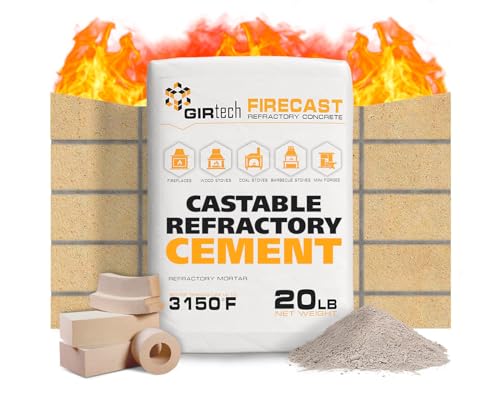
Refractory mortar is a bonding agent for joining firebrick and stone, applied in thin joints. Refractory cement (or castable) is a thicker, moldable material used for casting shapes, coating surfaces, or filling large gaps. Both are heat resistant, but they serve different purposes. Mortar bonds; cement casts and coats.
Where can I buy heat resistant mortar for a fireplace?
Refractory mortar is available at masonry supply stores, home improvement centers, and online retailers. For specialty products, look for brands that cater to chimney and fireplace professionals. Always check the temperature rating and intended application before purchasing.