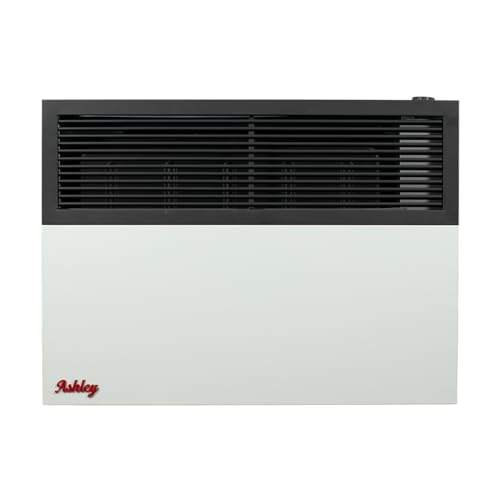
Direct Vent Gas Fireplace on an Exterior Wall
Everything you need to know about installing a direct vent gas fireplace on an exterior wall — from venting requirements and clearances to efficiency, costs, and choosing the right unit.
Why exterior wall installation? A direct vent gas fireplace on an exterior wall is one of the most practical and efficient ways to add a fireplace to a home without an existing chimney. The sealed combustion system pulls air from outside and exhausts gases directly through the wall — no chimney required, no indoor air quality concerns.
1. What Is a Direct Vent Fireplace?
A direct vent fireplace is a sealed combustion system that uses a dual-chamber pipe to bring in outside air for combustion and exhaust combustion gases back outside. Because the system is sealed, it doesn't use indoor air and doesn't release combustion byproducts into your living space.
This is different from a ventless (unvented) fireplace, which burns gas and releases heat and byproducts directly into the room. If you're comparing the two, our guide on venting vs ventless gas fireplace explains the tradeoffs in detail.
Sealed Combustion
Uses outside air for combustion, keeping indoor air quality unaffected.
High Efficiency
Typically 70–90% efficient, much higher than traditional wood fireplaces.
No Chimney Required
Horizontal venting through an exterior wall eliminates the need for a vertical chimney.
Flexible Placement
Can be installed on almost any exterior wall, including basements and upper floors.
For a broader overview of how direct vent systems compare to other venting options, see our article on venting options for gas fireplaces.
2. Why Install on an Exterior Wall?
Exterior wall installation is often the simplest and most cost-effective way to add a direct vent fireplace. Here's why homeowners choose this configuration:
✅ Advantages
- Short vent run reduces installation complexity
- No need to modify roof or chimney
- Lower installation cost compared to vertical venting
- Works in basements, first floors, and upper levels
- Easier access for maintenance and inspection
- No interference with existing rooflines
⚠️ Considerations
- Requires an available exterior wall location
- Vent termination must meet clearance codes
- May affect exterior aesthetics slightly
- Not ideal for interior-only walls
For homes without an accessible exterior wall, other venting options for gas fireplaces may be more suitable. Our guide on do you need a chimney or vent for a fireplace covers the full range of possibilities.
3. How Exterior Wall Venting Works
The venting system is the heart of a direct vent fireplace. Understanding how it works helps you plan the installation and avoid common mistakes.
The Coaxial Vent Pipe
Direct vent fireplaces use a coaxial (pipe-within-a-pipe) venting system. The inner pipe exhausts combustion gases, while the outer pipe brings in fresh air for combustion. The two air streams never mix.
Horizontal Termination
For exterior wall installation, the vent terminates horizontally through the wall. The termination cap is typically mounted on the exterior siding. Key requirements include:
- Minimum clearance from windows, doors, and air intakes
- Proper slope (typically 1/4 inch per foot) to prevent water intrusion
- Termination cap designed for horizontal use
- Compliance with local building codes
For detailed requirements, see our articles on venting requirements for gas fireplace and venting requirements for gas fireplace inserts.
4. Clearances & Code Requirements
Clearance requirements protect your home from heat damage and ensure safe operation. These vary by manufacturer and local code, but here are the typical guidelines:
| Element | Typical Minimum Clearance | Notes |
|---|---|---|
| Sidewall to vent termination | 12 inches | Varies by manufacturer |
| Above vent termination | 12–18 inches | Check local code |
| Below vent termination | 12 inches | Prevents snow/water intrusion |
| From window/door | 12–18 inches | Depends on window type |
| From air intake | 36 inches | Prevents re-circulation |
| From gas meter | 36 inches | Safety requirement |
| From combustible materials | Varies | Follow manufacturer specs |
For a complete list of installation requirements, see gas fireplace installation requirements and gas fireplace requirements.
5. Step-by-Step Installation Process
Here's what to expect during a professional exterior wall installation. Most projects take one to two days.
- Site Assessment A qualified installer evaluates the proposed location, checking wall construction, existing utilities, and vent termination clearances. For more on choosing installers, see our article on companies that convert wood burning fireplaces to gas.
- Unit Selection Choose a direct vent fireplace that fits your space, heating needs, and aesthetic preferences. Our gas fireplace buying guide walks through the selection process.
- Framing & Rough-In The wall opening is framed according to the manufacturer's specifications. Gas line and electrical connections are roughed in. If you're updating the surround, explore options like fireplace surround replacement.
- Vent Installation The coaxial vent pipe is installed through the exterior wall. The termination cap is mounted outside with proper clearances. Learn more in our venting requirements for gas fireplace inserts guide.
- Gas Line Connection A licensed gas technician connects the gas line to the fireplace. If you don't have an existing gas line, this step involves running new piping. See gas fireplace without a gas line for more details.
- Fireplace Installation The unit is positioned, connected, and secured. Finishing materials (surround, mantel, etc.) are installed. For mantel options, see how to install a fireplace mantel.
- Testing & Inspection The installer tests the unit, checks for leaks, verifies proper flame appearance, and ensures all safety systems function. You'll receive a demonstration of operation and maintenance.
To understand what's involved in the broader installation process, see our fireplace installation guide overview. If you're considering a DIY approach, our article on DIY vs professional fireplace installation provides honest guidance.
6. Choosing the Right Unit
Not all direct vent fireplaces are the same. Here are the key factors to consider when selecting a unit for exterior wall installation:
Heating Capacity
Match the unit's BTU output to your room size. Our gas fireplace heating capacity BTU guide and fireplace heating capacity explained provide formulas to help you calculate the right capacity.
Efficiency Rating
Higher efficiency units cost more upfront but use less gas over time. Our guide on most energy-efficient fireplace types ranks options by efficiency.
Features to Consider
- Remote control and thermostat options
- Blower for improved heat distribution
- Realistic log set and flame appearance
- Smart home integration
- Safety features like oxygen depletion sensors
- Mantel and surround compatibility
For insert-specific options, see direct vent gas fireplace insert with blower and vented gas fireplace insert with blower and remote control. For models with built-in thermostats, see gas fireplace insert with blower and thermostat.
7. Value Tiers & Cost Factors
Understanding where your project falls in terms of investment helps you plan effectively. Rather than focusing on specific numbers (which vary by region and change over time), think in terms of value tiers:
Entry-Level Installation
- Standard direct vent insert
- Basic log set and manual controls
- Existing gas line in place
- Minimal surround changes
Mid-Range Installation
- Direct vent insert with blower
- Remote control and thermostat
- New gas line run (short distance)
- Updated surround and mantel
Premium Installation
- High-efficiency direct vent unit
- Realistic log set with glowing embers
- Smart home integration
- Custom stone or tile surround
Luxury Installation
- See-through or multi-sided unit
- Full fireplace remodel
- Custom cabinetry or built-ins
- Professional design consultation
For a deeper dive into what affects overall project cost, see our guides on cost of installing a gas fireplace in an existing home and cost to install gas fireplace in existing fireplace. If you're comparing fuel types, our article on gas vs electric fireplace running costs provides useful context on long-term operating expenses.
8. Maintenance & Safety
A direct vent gas fireplace requires less maintenance than a wood-burning unit, but regular care is still essential.
Annual Tasks
- Professional inspection of the unit, venting, and gas connections
- Cleaning of glass, logs, and burner assembly
- Verification of safety systems and carbon monoxide detectors
- Checking pilot light and ignition components (if applicable)
Monthly / Seasonal Tasks
- Dusting and wiping down the exterior
- Inspecting for unusual odors or flame appearance
- Replacing remote control batteries
- Testing carbon monoxide detectors
For detailed instructions, see our guides on gas fireplace maintenance and how to clean a gas fireplace burner. If you ever notice odd smells, our article on fireplace smells like gas explains what to do. And if your unit won't start, troubleshoot with gas fireplace won't light.
For a broader safety overview, see our fireplace safety tips and carbon monoxide signs from fireplace guides.
9. Frequently Asked Questions
Can I install a direct vent gas fireplace on any exterior wall?
How far can the vent run be for an exterior wall installation?
Do I need a permit for a direct vent gas fireplace installation?
What's the difference between direct vent and B-vent?
Can a direct vent fireplace be installed on a second floor?
How much does a direct vent gas fireplace installation cost?
Is a direct vent gas fireplace safe?
Can I use a direct vent fireplace without electricity?
Ready to Install Your Direct Vent Fireplace?
Explore our recommended direct vent gas fireplaces for exterior wall installations.
View Recommended Products ↓