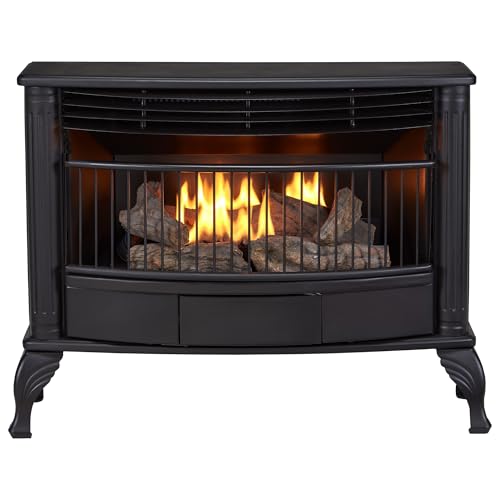
Vented Gas Fireplace Insert with Blower and Remote Control
The complete guide to choosing, installing, and enjoying a high-efficiency vented gas fireplace insert with a blower and remote control for your home.
A vented gas fireplace insert with a blower and remote control represents the pinnacle of modern hearth technology. It combines the beauty of a real flame with the convenience of push-button operation and the efficiency of forced-air heating. If you are researching this product, you likely want to upgrade an existing wood-burning fireplace or add a reliable heat source to your home without the mess and maintenance of traditional fuels. This guide will walk you through every critical aspect—from understanding venting and BTU output to the benefits of a blower and remote—so you can make a confident, informed purchase.
What Exactly Is a Vented Gas Fireplace Insert?
A vented gas fireplace insert is a self-contained unit designed to fit into an existing masonry or factory-built wood-burning fireplace. Unlike ventless (or vent-free) models that burn gas and release exhaust directly into the room, a vented insert uses a dedicated flue or liner to safely expel combustion byproducts—such as carbon monoxide and water vapor—to the outdoors. This makes them a much safer and healthier option for continuous use. The "vented" aspect is crucial: it allows for a more realistic, dancing flame and higher heat output without compromising indoor air quality. For a deeper dive into the fundamental differences, you can read our guide on types of fireplaces.
These inserts are typically direct-vent or B-vent models. Direct-vent systems are sealed combustion units that draw outside air for combustion and exhaust gases through a single concentric pipe, making them highly efficient and less sensitive to indoor air pressure. B-vent models use a traditional chimney to draw air from the room and exhaust upward. The choice between them depends on your existing chimney structure and your home's air tightness. Understanding ventilation requirements is a key step before you buy.
The Critical Role of the Blower
A blower, also known as a fan, is a game-changer for any gas insert. Without a blower, most of the heat generated by the insert radiates directly forward, warming the immediate area but struggling to heat a larger room. A blower actively circulates air over the hot firebox and then pushes that warmed air into your living space. This forced-air convection dramatically increases the heating efficiency and distribution. For a detailed explanation of how these components work, see our fireplace blower fan guide.
Models with a blower are often rated to heat significantly larger areas. When you see a heating capacity listed (e.g., up to 1,500 sq. ft.), it is almost always with the blower in operation. The blower also helps maintain a more consistent temperature throughout the room, avoiding the "hot in front, cold in back" problem common with radiant-only inserts. Many modern units feature variable-speed blowers, allowing you to adjust the fan intensity and noise level. If you are handy, you might even consider a DIY fireplace blower installation for a more budget-friendly option, though factory-installed blowers are generally more integrated and reliable.
The Convenience of Remote Control
A remote control is not just a luxury; it's a major convenience and safety feature. With a remote, you can turn the fireplace on and off, adjust the flame height, and control the blower speed without ever leaving your seat. This is especially beneficial for elderly individuals or anyone with mobility issues. It also allows you to program a thermostat function, maintaining a consistent room temperature automatically. Many remotes also include a child-lock feature for added safety. If your remote ever fails, you can find replacements, but it's worth checking our guide on fireplace remote control replacement options first.
The combination of a blower and a remote control creates a user-friendly, efficient heating appliance. You can set it to turn on before you arrive home or adjust the settings from your sofa. For those who want even more integration, some units are compatible with smart home systems. You can learn more about this in our smart Wi-Fi fireplace controller article. This level of control is a primary reason why homeowners choose a vented insert over a traditional log set.
Key Factors to Consider Before Buying
- Sizing and BTU Output: The most important step is to match the insert's heating capacity to your room size. An undersized unit will run constantly and struggle to heat the space, while an oversized one will cycle on and off frequently, wasting energy and causing temperature swings. The general rule is 20 BTU per square foot of living space in a moderate climate. For a detailed calculation, use our guide on how to size a fireplace.
- Venting Configuration: You must confirm whether your existing chimney is suitable for a direct-vent or B-vent insert. This often requires a professional inspection. The type of venting will impact installation complexity and cost. Our article on chimney and vent requirements provides more clarity.
- Efficiency Rating: Look for an Annual Fuel Utilization Efficiency (AFUE) rating. Higher ratings mean more of the gas is converted into heat for your home. A high-efficiency model with a blower can be a significant energy saver. We cover this in our most energy-efficient fireplace types article.
- Installation and Cost: Professional installation is almost always required for gas appliances to ensure safety and code compliance. The total cost includes the unit, venting kit, and labor. It's wise to get a full breakdown. You can find cost considerations in our fireplace cost breakdown and gas fireplace installation requirements.
- Safety and Maintenance: Vented inserts are very safe when installed correctly. However, regular maintenance is key. Annual inspections are recommended. You can learn to spot issues early with our carbon monoxide signs guide and by following a proper fireplace maintenance schedule.
Top Features to Look For in a Vented Gas Insert
When comparing models, pay attention to these features that enhance performance and usability:
- Variable-Speed Blower: Offers adjustable heat distribution and quieter operation at lower speeds.
- Thermostatic Remote: Automatically modulates the flame to maintain your desired room temperature, improving comfort and efficiency. This is more advanced than a simple on/off remote. See our fireplace thermostat guide for details.
- Realistic Log Set and Flame: Modern inserts use ceramic logs and advanced burner technology to create a flame that looks very close to a real wood fire.
- Safety Screen: A barrier screen is required by law in many areas to prevent burns, especially in homes with children or pets. Always ensure the model you choose includes one.
- Intermittent Pilot (IPI) Ignition: This saves energy by only using the pilot light when the fireplace is on, rather than burning constantly. A standing pilot (continuous) is older and less efficient.
A Brief Overview of the Installation Process
Installing a vented gas insert is a multi-step process that should be handled by a licensed professional (NFI-certified is ideal). It typically involves running a gas line to the fireplace location, installing a flexible or rigid vent liner up the existing chimney, placing the insert, and connecting the gas and electrical components (for the blower and remote). The process can take a full day or more. It's not a typical DIY project due to the safety risks associated with gas and venting. For a comprehensive look at what's involved, see our installation guide overview. If you are also considering a wood-burning alternative, you might look at our guide on a wood-burning stove fireplace insert with blower for comparison.
Maintenance and Troubleshooting Basics
To keep your vented gas insert running safely and efficiently, schedule annual professional servicing. This includes cleaning the burner, checking the venting system for blockages, and inspecting the pilot and thermocouple. Between professional visits, you can keep the glass clean for optimal viewing. If you ever notice unusual smells or a weak flame, consult a professional. Common issues like a gas fireplace weak flame or a fireplace making noise can often be resolved with simple adjustments, but it's best to diagnose them properly. Our fireplace troubleshooting section is a great resource for common problems. Knowing your fireplace lifespan can also help you decide when to repair versus replace.