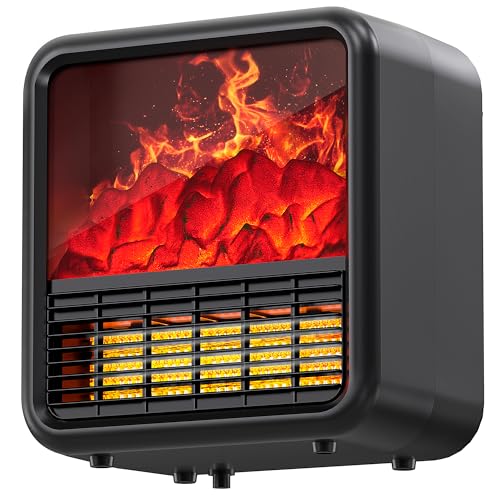
Small Gas Fireplaces for Small Spaces
Discover how to choose the perfect compact gas fireplace for apartments, tiny homes, and cozy living areas. Learn about ventless vs vented options, BTU sizing, and installation tips.
START YOUR RESEARCHWhy Choose a Small Gas Fireplace? Small gas fireplaces are ideal for compact living spaces because they provide efficient, controllable heat without the mess of wood. They offer the ambiance of a real fire with the convenience of instant ignition and minimal maintenance.
Why Small Gas Fireplaces Are Perfect for Compact Living
Living in a small space doesn't mean you have to sacrifice the warmth and charm of a fireplace. Small gas fireplaces are specifically designed to fit into apartments, tiny homes, bedrooms, and cozy living rooms without overwhelming the area. Unlike traditional wood-burning fireplaces, gas models offer instant heat, precise temperature control, and require no chimney or messy cleanup.
For homeowners and renters alike, a compact gas fireplace can transform a small room into a comfortable retreat. Whether you're looking for a fireplace for small spaces or a freestanding electric option, understanding your options is the first step toward making an informed decision. If you're new to fireplaces, our beginner guide provides a solid foundation.
When space is limited, every inch counts. Small gas fireplaces come in various styles, including wall-mounted, built-in, and freestanding units. Some models are ventless, meaning they don't require a chimney or external venting, making them ideal for apartments and rooms without existing flue systems. Others are vented, which may be necessary depending on local building codes and your home's configuration. For a detailed comparison, see our guide on whether you need a chimney or vent.
Types of Small Gas Fireplaces
Ventless Gas Fireplaces
Ventless models are among the most popular choices for small spaces because they require no chimney or external venting. They burn gas cleanly and efficiently, producing minimal emissions. These units are ideal for apartments, condos, and rooms where installing a vent would be impractical or too expensive. However, some states and local jurisdictions have restrictions on ventless fireplaces, so always check your local building codes. For a deeper dive, see our ventless fireplace logs guide.
Vented Gas Fireplaces
Vented models use a chimney or direct vent to expel combustion byproducts outdoors. They are often preferred in areas where ventless units are restricted. While they require more installation work, vented fireplaces can be more efficient for heating larger areas and are generally considered safer for indoor air quality. If you're considering a vented option, explore our vented fireplace logs page.
Gas Fireplace Inserts
If you already have an existing wood-burning fireplace that you don't use, a gas insert can convert it into a clean-burning, efficient heat source. Inserts are designed to fit into the existing firebox, making them a great option for small spaces where you want to upgrade without a major renovation. Learn more about gas fireplace inserts with glass fronts and glass doors.
Wall-Mounted Gas Fireplaces
Wall-mounted units are perfect for small rooms because they don't take up valuable floor space. They can be installed on virtually any wall and often come with remote controls and programmable thermostats. Some models are designed to be recessed into the wall for a sleek, built-in look. For more inspiration, see our wall-mounted vs insert vs freestanding comparison.
How to Size a Gas Fireplace for Your Small Space
Choosing the right size gas fireplace for a small room is crucial. An oversized unit will produce too much heat, making the room uncomfortable and wasting energy. An undersized unit won't provide adequate warmth. The key metric is BTU (British Thermal Units), which measures heat output.
As a general rule, you need approximately 20 BTU per square foot of living space. For example, a 200-square-foot room would require around 4,000 BTU. However, this is a simplified calculation. Factors such as ceiling height, insulation quality, window efficiency, and climate also play a role. For a more precise estimate, use our heating capacity BTU guide or how to size a fireplace article.
Most small gas fireplaces on the market are designed to heat between 200 and 400 square feet, making them ideal for bedrooms, home offices, and small living rooms. If you're unsure whether a fireplace can heat your entire home, read our article on whether a fireplace can heat an entire house.
Ventless vs Vented Gas Fireplaces: Which Is Right for You?
| Feature | Ventless Gas Fireplace | Vented Gas Fireplace |
|---|---|---|
| Installation | Easy, no chimney or vent required | Requires chimney or direct vent |
| Efficiency | High (up to 99% efficient) | Moderate (some heat lost through vent) |
| Indoor Air Quality | Produces minimal emissions; requires occasional airing | Excellent; all byproducts vented outdoors |
| Local Restrictions | Restricted in some states and cities | Generally allowed everywhere |
| Best For | Apartments, condos, small rooms without existing flue | Homes with existing chimney or where ventless is restricted |
| Maintenance | Low; no chimney cleaning needed | Moderate; chimney should be inspected annually |
For a more detailed comparison, see our ventless vs vented gas fireplace guide. If you're concerned about safety, our article on carbon monoxide signs from fireplace provides important information.
Installation Considerations for Small Spaces
Installing a gas fireplace in a small space requires careful planning. Here are some key factors to consider:
- Clearance Requirements: Gas fireplaces need proper clearance from combustible materials such as curtains, furniture, and wood framing. Always follow the manufacturer's instructions.
- Gas Line Access: A gas fireplace requires a gas line. If your home doesn't have one, you'll need to hire a professional to install it. Our article on gas fireplace without a gas line explains your options.
- Electrical Outlet: Many modern gas fireplaces have electronic ignition, blowers, and remote controls that require electricity. Ensure an outlet is nearby or plan for hardwiring.
- Venting: If you choose a vented model, you'll need to plan the venting route. Direct vent models can be vented horizontally through an exterior wall, which is often easier in small spaces.
- Permits: Many jurisdictions require a permit for gas fireplace installation. Check with your local building department. See our fireplace permit requirements guide for more information.
- Professional Installation: While some DIY enthusiasts may attempt installation, gas appliances should generally be installed by a licensed professional. Our article on DIY vs professional fireplace installation can help you decide.
For a step-by-step overview, visit our fireplace installation guide and gas fireplace installation requirements pages. If you're installing in an apartment, see our apartment fireplace installation guide.
Maintenance Tips for Small Gas Fireplaces
Gas fireplaces are relatively low-maintenance, but regular care ensures safety and longevity. Here's what you need to know:
- Annual Inspection: Have a professional inspect your gas fireplace annually to check for leaks, blockages, and wear. See our annual fireplace inspection guide and gas fireplace inspection page.
- Clean the Glass: Soot and dust can accumulate on the glass front. Clean it regularly with a non-abrasive cleaner. Our guide on how to clean fireplace glass provides step-by-step instructions.
- Clean the Burner: Dust and debris can clog the burner ports, affecting flame quality. Learn how to clean a gas fireplace burner.
- Check the Pilot Light: If your fireplace has a standing pilot, ensure it's burning cleanly. If you have issues, see our article on pilot light keeps going out.
- Replace Batteries: If your fireplace uses a remote control or battery-powered ignition, replace the batteries regularly. For remote issues, see remote control not working (principles apply to gas remotes as well).
For a comprehensive maintenance schedule, visit our fireplace maintenance schedule and gas fireplace maintenance guide.
Common Gas Fireplace Problems and Solutions
Even the best gas fireplaces can encounter issues. Here are some common problems and how to address them:
Fireplace Won't Light
If your gas fireplace won't ignite, check the pilot light, gas supply, and ignition system. Our guide on gas fireplace won't light covers common fixes.
Weak Flame
A weak flame can indicate low gas pressure, a clogged burner, or a faulty regulator. See our article on weak flame on gas fireplace for solutions.
Smells Like Gas
If you smell gas, turn off the fireplace and leave the area immediately. Do not use electrical switches. Contact a professional. Read our gas fireplace smells like gas guide for safety steps.
Making Noise
Popping, whistling, or humming noises can have various causes. Our article on gas fireplace making noise helps diagnose the issue.
For more troubleshooting tips, visit our fireplace troubleshooting hub. If your fireplace won't turn off, see gas fireplace won't turn off.
Safety Tips for Small Gas Fireplaces
Safety should always be your top priority when using any gas appliance. Here are essential safety tips:
- Install Carbon Monoxide Detectors: Even ventless fireplaces produce trace amounts of CO. Install detectors on every level of your home. Learn about carbon monoxide signs.
- Keep Flammable Materials Away: Maintain at least three feet of clearance between the fireplace and furniture, curtains, and other flammable items. See our furniture distance from fireplace guide.
- Never Leave Unattended: While gas fireplaces are safer than wood, never leave a fire burning unattended for extended periods. Read our article on leaving a fireplace on overnight.
- Use a Fireplace Screen: If your fireplace doesn't have a glass front, use a screen to prevent embers from escaping. See our fireplace ember safety tips.
- Educate Children: Teach children about fireplace safety and keep them at a safe distance. Consider a fireplace gate for added protection.
For more safety information, visit our Fireplace FAQ and TV above fireplace safety pages.
Ready to Find the Perfect Small Gas Fireplace?
Explore our curated selection of top-rated small gas fireplaces for small spaces. Whether you need a ventless insert or a freestanding unit, we've got you covered.
VIEW RECOMMENDED PRODUCTSFrequently Asked Questions
Can a gas fireplace heat a small room effectively?
Yes, small gas fireplaces are specifically designed to heat compact spaces efficiently. Most models produce between 3,000 and 10,000 BTU, which is sufficient for rooms up to 400 square feet. For precise sizing, use our BTU guide.
Do small gas fireplaces require electricity?
Many modern gas fireplaces use electronic ignition, which requires electricity. Some models have battery backups or standing pilots that don't need electricity. If you're curious whether a gas fireplace can work without electricity, read our article on can you use a gas fireplace without electricity.
Are ventless gas fireplaces safe for small spaces?
Ventless gas fireplaces are generally safe when installed and maintained correctly. They produce minimal emissions and are designed for indoor use. However, they require proper ventilation and should not be used in overly airtight rooms. Always check local codes and install carbon monoxide detectors. For safety information, see our carbon monoxide signs guide.
How much maintenance does a small gas fireplace need?
Gas fireplaces are relatively low-maintenance. You should clean the glass and burner regularly, and have the unit inspected annually by a professional. See our maintenance schedule for details.
Can I install a small gas fireplace in an apartment?
Yes, many small gas fireplaces are designed for apartments and condos. Ventless models are particularly suitable because they don't require external venting. However, you must check with your landlord and local building codes. See our apartment fireplace installation guide.
What is the lifespan of a small gas fireplace?
With proper maintenance, a quality gas fireplace can last 15 to 20 years or more. Factors such as usage frequency and maintenance quality affect lifespan. For more information, see our fireplace lifespan article.
How do I stop cold air from coming down my chimney?
If you have a vented fireplace, cold air can come down the chimney when not in use. A chimney draft stopper or inflatable draft stopper can help. See our article on how to stop fireplace downdraft and fireplace inflatable draft stopper.
Are gas fireplaces expensive to run?
The running cost of a gas fireplace depends on gas prices, usage, and efficiency. Generally, gas fireplaces are more economical than electric heaters for the same heat output, but costs vary. For a comparison, see our electric vs gas running costs guide.
Final Thoughts
Small gas fireplaces are an excellent choice for small spaces, offering warmth, ambiance, and convenience without the drawbacks of traditional wood-burning fireplaces. By understanding your options—ventless vs vented, BTU requirements, installation considerations, and maintenance needs—you can make an informed decision that enhances your home's comfort and value.
Whether you're a homeowner looking to add a cozy focal point to your living room or a renter seeking a portable heating solution, there's a small gas fireplace that fits your needs. Explore our recommended products below to find the perfect match for your space.
For more information on fireplace types and buying guides, visit our fireplace buying guide and types of fireplaces pages. If you're still deciding between gas and electric, see our electric vs gas vs wood comparison.