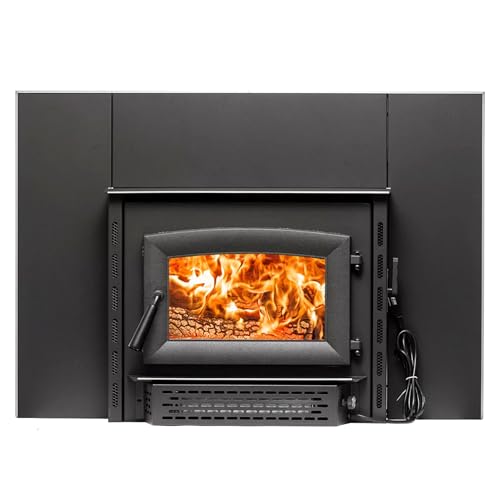
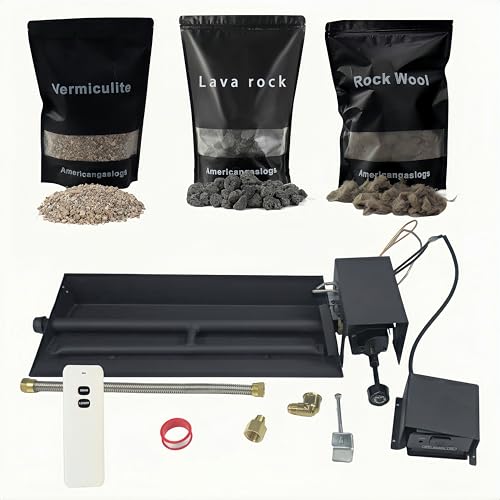
Cost of Converting Wood Fireplace to Gas
Everything you need to know about the investment, process, and long-term value of switching from wood to gas.
Explore the CostsThinking about converting your wood-burning fireplace to gas? You're not alone. Many homeowners are making the switch for convenience, efficiency, and cleaner operation. But understanding the true cost—and what factors influence it—is essential before you commit. This guide breaks down every component of the conversion cost, from the gas insert itself to installation and potential hidden expenses.
Why Homeowners Convert Wood Fireplaces to Gas
The decision to convert a wood-burning fireplace to gas is often driven by a desire for convenience and efficiency. Wood fires require constant attention, from sourcing and stacking logs to cleaning ashes and managing creosote buildup. Gas fireplaces, on the other hand, offer instant ambiance with the push of a button or a remote control. They burn cleaner, produce fewer emissions, and eliminate the need for chimney sweeping as frequently. For many, the conversion is a lifestyle upgrade that also adds value to the home.
If you're still weighing your options, our guide on converting wood burning fireplace to gas provides a broader overview of the benefits and considerations. Additionally, understanding the difference between electric, gas, and wood fireplaces can help you make a more informed decision about which fuel type aligns best with your needs.
Key Factors That Influence the Cost of Conversion
The total cost of converting a wood fireplace to gas is not a single line item. It's a combination of several variables, each of which can significantly impact your final investment. Understanding these factors will help you budget accurately and avoid surprises.
Type of Gas Insert
The insert is the heart of your conversion. You can choose from vented, ventless (vent-free), or direct-vent models. Vented inserts are typically more efficient and offer a more realistic flame, while ventless models are easier to install but may have stricter regulations depending on your location. Direct-vent inserts are versatile and can be installed in almost any room. Each type comes in different quality tiers—entry-level, mid-range, and premium—which directly affects the overall project cost.
Existing Fireplace Condition
If your wood fireplace is in good condition and meets current building codes, the conversion may be straightforward. However, if the firebox is damaged, the chimney needs relining, or the surrounding structure requires repairs, those costs add up. A thorough inspection by a certified technician is essential to identify any hidden issues before you begin.
Gas Line Availability
One of the most significant cost variables is whether your home already has a natural gas line running to the fireplace location. If not, you'll need to hire a licensed plumber to run a new line, which can involve trenching, permits, and additional labor. If natural gas is not available in your area, you may need to use propane instead, which requires a tank and regular refills.
Venting Requirements
The type of venting your chosen insert requires will impact both material and labor costs. Direct-vent systems need a horizontal or vertical termination, while ventless models require no external venting but may have limitations on room size and BTU output. Your existing chimney may need a liner or a cap, and in some cases, a new venting system must be installed from scratch.
Labor and Permits
Professional installation is highly recommended for gas fireplace conversions due to safety and code compliance. Labor costs vary by region and the complexity of the job. Additionally, most municipalities require a permit for gas line work and fireplace installation, which adds to the overall expense. Always factor in these administrative costs when planning your budget.
Optional Features and Finishes
Beyond the basic insert, you may want to upgrade with features like a remote control, thermostat, blower fan, or decorative logs and stones. You might also choose to update the surround, mantel, or hearth to complement the new gas fireplace. These enhancements are optional but can significantly increase your total investment while also boosting the aesthetic and functional value of your fireplace.
Understanding Cost Tiers: Entry-Level to Luxury
To help you plan, we've categorized the overall conversion project into four quality tiers. These tiers reflect the relative position of the products and services in the market, not absolute prices. Remember that actual costs will vary based on your location, home structure, and specific choices.
| Tier | Typical Characteristics | Best For |
|---|---|---|
| Entry-Level | Basic ventless or vented insert with minimal features, standard installation, may require minimal gas line work. | Homeowners seeking a simple, functional upgrade with a focus on budget-friendly operation. |
| Mid-Range | Direct-vent insert with realistic flames, remote control, and optional blower; includes professional installation and permitting. | Those who want a balance of efficiency, aesthetics, and convenience. |
| Premium | High-efficiency insert with advanced features like thermostat, smart controls, and premium log sets; custom surround or stone work. | Homeowners looking for a statement piece with superior performance and design. |
| Luxury | Top-tier linear or see-through gas fireplace, custom cabinetry, designer stone, and full home integration; includes complex gas line routing. | Luxury renovations where the fireplace is a central architectural feature. |
For a more detailed breakdown of how fireplaces are priced across different categories, our fireplace cost breakdown offers valuable insights. If you're considering a gas insert specifically, you may also want to read about the cost of a gas fireplace insert and installation.
The Conversion Process: Step by Step
Understanding what the conversion entails will help you appreciate where your money is going and why professional installation is so important.
- Inspection and Assessment: A certified technician evaluates your existing fireplace, chimney, and gas line availability. This step determines the feasibility and any necessary repairs.
- Choosing the Right Insert: Based on your home's layout, heating needs, and aesthetic preferences, you select a gas insert. This is where the tier and features come into play.
- Gas Line Installation: If natural gas is available, a plumber runs a line to the fireplace. If not, a propane tank and line are installed. Permits are typically required at this stage.
- Venting Setup: Depending on the insert type, a venting system is either connected to the existing chimney or installed through an exterior wall. Proper venting is critical for safety and efficiency.
- Insert Installation: The gas insert is positioned into the firebox, connected to the gas line, and tested for leaks. The surround and finishing touches are then applied.
- Final Inspection and Testing: The system is tested for performance and safety, and a final inspection ensures compliance with local codes.
For a comprehensive look at installation requirements, see our gas fireplace installation requirements. If you're wondering whether you need a chimney at all, our article on whether you need a chimney or vent can clarify.
Hidden Costs You Shouldn't Overlook
While the main costs are the insert and installation, several hidden expenses can catch you off guard. Being aware of them helps you create a realistic budget.
- Chimney Relining: If your existing chimney is not suitable for a gas insert, a new liner may be required. This is often necessary for safety and efficiency.
- Permit Fees: These vary widely by municipality but are mandatory for gas line work and often for the fireplace installation itself.
- Electrical Work: Many modern gas inserts require electricity for blowers, remote controls, or thermostats. If there's no outlet nearby, you'll need an electrician.
- Surround and Mantel Updates: Once the new insert is in, you may find that the existing surround or mantel looks outdated. Updating them adds to the cost but enhances the final look.
- Annual Maintenance: While gas fireplaces are low-maintenance, they still require annual inspections and occasional servicing. Our gas fireplace maintenance guide covers what to expect.
For a deeper dive into the ongoing expenses of fireplace ownership, explore our article on the hidden costs of owning a fireplace.
Is Converting to Gas Worth the Investment?
For many homeowners, the answer is a resounding yes. The convenience of instant on/off operation, the cleanliness of gas, and the reduced maintenance requirements are significant advantages. Gas fireplaces also tend to be more energy-efficient than traditional wood-burning fireplaces, especially when using a direct-vent insert with a blower. They can provide supplemental heat to a room, potentially lowering your overall heating bills.
However, the conversion is a significant investment. To determine if it's right for you, consider how often you use your fireplace, your tolerance for maintenance, and your long-term home improvement goals. If you're looking for a cost-effective solution that doesn't require a gas line, you might explore converting a wood-burning fireplace to electric instead. For a side-by-side comparison of running costs, our article on electric vs gas fireplace running costs is a helpful resource.
Ready to Make the Switch?
Explore our recommended gas fireplace inserts and accessories to find the perfect fit for your home and budget.
View Recommended ProductsFrequently Asked Questions
Can I convert my wood fireplace to gas myself?
While some DIY aspects exist, gas line work and final connections must be performed by a licensed professional in most jurisdictions. Improper installation can lead to dangerous gas leaks or carbon monoxide issues. We strongly recommend hiring a certified technician. For more on this, see our guide on DIY vs professional fireplace installation.
How long does the conversion take?
The timeline varies depending on the complexity. A straightforward conversion with an existing gas line can take a few days, while projects requiring new gas lines, chimney relining, or custom finishing may take several weeks. Our article on fireplace installation time provides a more detailed timeline.
Do I need a permit for this conversion?
Yes, in most areas, a permit is required for gas line installation and often for the fireplace installation itself. Check with your local building department. Our fireplace permit requirements guide offers general guidance.
Will a gas fireplace heat my whole house?
While a gas fireplace can provide significant supplemental heat, it is generally not designed to replace a central heating system for an entire house. However, a high-efficiency insert can effectively heat the room it's in and adjacent spaces. Learn more in our article on whether a fireplace can heat an entire house.
What is the lifespan of a gas fireplace insert?
With proper maintenance, a quality gas fireplace insert can last 15 to 20 years or more. Regular annual inspections and cleaning are key to maximizing its lifespan. See our fireplace lifespan guide for more details.
Are there companies that specialize in this conversion?
Yes, many fireplace retailers and chimney sweeps offer conversion services. You can find companies that convert wood-burning fireplaces to gas in your area by searching online or asking for referrals.
For more general questions, our fireplace FAQ covers a wide range of topics.
If you're still in the research phase, you might find our fireplace buying guide useful. It walks you through the entire decision-making process, from choosing a fuel type to understanding efficiency ratings.