
Cost of Converting Wood Fireplace to Electric
Complete guide to investment tiers, types of electric inserts, installation, energy savings, and ROI. Make the switch today.
Converting your old, inefficient wood-burning fireplace to electric is one of the smartest home upgrades you can make. Not only do you eliminate the mess of ash and soot, but you also gain a highly efficient, controllable heat source that can actually heat your room effectively. This guide breaks down every investment tier involved, from the insert itself to installation and long-term savings, so you can decide with confidence.
Key Takeaway: Converting a wood fireplace to electric generally falls in the entry-level to mid-range investment tier for a DIY-friendly insert, while a full built-in conversion with professional installation typically lands in the mid-range to premium tier. Most homeowners recoup this investment within 2–3 years through energy savings and eliminated maintenance expenses.
Top Electric Fireplace
⚠️ AFFILIATE DISCLOSURE: This website contains affiliate links. As an Amazon Associate, we earn from qualifying purchases. If you make a purchase through these links, we may receive a small commission at no additional cost to you. Read our full affiliate policy.

duraflame Freestanding Electric Fireplace Stove Heater with 3D Flame Effect for 1,000 Sq. Ft. Room, Black
Check price on Amazon
Tehanld 60" Ultra-Thin Electric Fireplace Heater, Recessed Wall Mounted | 60-99°F Thermostat, 0/750/1500W Fast Heating, Child Lock, 12H Timer, Realistic Flame, Log & Crystal for Living Room
Check price on Amazon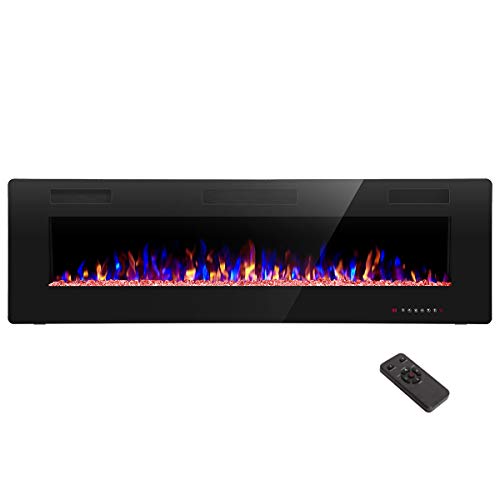
R.W.FLAME 60" Recessed and Wall Mounted Electric Fireplace, Low Noise, Fit for 2 x 6 Stud, Remote Control with Timer, Touch Screen, Adjustable Flame Color and Speed, 750-1500W
Check price on Amazon
OLIXIS Freestanding Electric Fireplace, 19" Small Space Heater for Indoor | 3D Flame Effect, 5110 BTU, 750W & 1500W Heat Mode, Easy Control,Tempered Glass Window, for Living Room Bedroom Office, Black
Check price on Amazon
EXNOS 23.6-Inch Freestanding Electric Fireplace Heater with 3D Flame Effect | 750W/1500W Dual‑Power Heater, Remote, 1‑12H Timer, Overheat & Tip‑Over Protection, 59‑99°F, Heats up to 300 sq.ft. Indoor Use
Check price on Amazon
Electric Fireplace Heater Stove with 3D Flame, 1000/1500W & Flame-Only Mode | Freestanding Electric Fireplace Heater with 5100 BTU Output, Thermostat, ETL, Overheat Protection, for Indoor Use, 22.28 in
Check price on Amazon
EUHOMY 50 Inch Electric Fireplace Recessed and Wall Mounted | Adjustable Flame Color, Remote Control, Timer, Touch Screen, Log and Crystal, 750W/1500W Fireplace Heater
Check price on Amazon
Silonn 50-Inch Smart Electric Fireplace, Ultra-Slim Wall-Mounted or Recessed Fireplace Heater with 1400W Heat, WiFi App & Remote Control, Timer and 20 Customizable Flame Colors
Check price on AmazonInvestment Tier Breakdown by Conversion Type
Electric Insert (DIY)
- Insert unit with remote control
- No venting or chimney required
- Plugs into standard outlet (120V)
- Heating up to 400 sq ft
Built-In Electric (Pro Install)
- Custom framing & finishing
- Hardwired to electrical panel
- Higher heating capacity (up to 1,000 sq ft)
- Mantel and surround included
Energy Savings (Annual)
- No chimney cleaning (entry-level savings/yr)
- No wood purchase (entry-level savings/yr)
- Efficient 100% electric heat
- Lower insurance premiums possible
What's Included in the Investment?
When budgeting for your conversion, it's important to understand all the components. Here's a detailed breakdown:
- Electric Fireplace Insert: The core unit. Options range from entry-level basic models to mid-range realistic 3D flame units with thermostat and remote control. Choose an insert that fits your existing firebox dimensions.
- Electrical Work: If you're hardwiring, this typically falls in the entry-level to mid-range tier for a dedicated 20-amp circuit by a licensed electrician. Plug-in models require no electrical work.
- Trim and Surround: To cover any gaps around the insert, you may need a custom surround or panel kit, typically entry-level to mid-range.
- Chimney Sealing: To prevent drafts, a chimney inflatable draft stopper or cap is entry-level. This also improves energy efficiency.
- Removal of Wood Burning Components: If you remove the old grate, damper, or chimney liner, expect entry-level in disposal or recycling fees.
Electric vs. Wood Fireplace: Operating Comparison
To help you see the full picture, here's a side-by-side comparison of annual operating considerations and differences. For a deeper dive into fuel type differences, see our electric vs. wood fireplace guide.
| Factor | Wood Fireplace | Electric Fireplace (Converted) |
|---|---|---|
| Initial Conversion Tier | None (existing) | Entry-level to premium (based on type) |
| Annual Fuel Tier | Entry-level to mid-range (wood) | Entry-level (electricity) |
| Chimney Cleaning | Entry-level to mid-range annually | None |
| Maintenance & Repairs | Entry-level to mid-range per year | Entry-level (bulbs, remote) or none |
| Insurance Premium Impact | Higher (fire risk) | Lower (or neutral) |
| Total Annual Operating Tier | Mid-range | Entry-level |
* Operating tiers reflect relative cost positions, not absolute figures. Actual costs vary by region and usage.
Step-by-Step Conversion Process
- Measure Your Firebox: Width, height, and depth are crucial for selecting the right electric fireplace insert. Most inserts require a minimum depth of 16–18 inches.
- Choose Your Insert: Decide between a plug-in or hardwired model. Consider heating capacity (BTU), flame realism, and smart features like thermostat control.
- Prepare the Fireplace: Clean out all ash and debris. Seal the damper and install a chimney plug to prevent drafts.
- Install the Insert: Slide the insert into the firebox. Most models simply plug into a nearby outlet. For hardwired units, hire a licensed electrician.
- Add Trim and Finishing: Install the decorative surround or mantel to create a seamless look. This is also the time to add mantel decor or surround finishes.
- Test and Enjoy: Turn on the unit, test all settings, and enjoy your new, clean, and efficient fireplace.
Return on Investment (ROI) and Long-Term Savings
Converting to electric is not just about immediate comfort—it's a long-term financial win. Here's how the value breaks down:
- Payback Period: With meaningful annual savings on fuel and maintenance, the average conversion pays for itself in 2–4 years.
- Home Value: An electric fireplace can add 5–10% to your home's perceived value, especially if it's a built-in unit with a modern design. Buyers love the convenience and efficiency.
- Safety & Insurance: Electric fireplaces eliminate chimney fires and carbon monoxide risks. Many insurance companies offer discounts on homeowner premiums.
- Energy Efficiency: Electric inserts convert 100% of electricity into heat, with no heat loss up the chimney. Compare this to wood fireplaces, which can lose up to 80% of heat through the flue.
✅ Pros of Converting
- No smoke, ash, or creosote
- 100% efficient heating
- Clean and safe for allergy sufferers
- Easy to use with remote/thermostat
- Low maintenance and long lifespan
⚠️ Cons to Consider
- Upfront investment can reach premium tier for built-in units
- Requires access to electrical outlet or wiring
- Heating capacity limited (best for rooms up to 1,000 sq ft)
- Lacks the crackling sound and smell of real wood
Our Verdict
Converting your wood fireplace to electric is a highly recommended upgrade for most homeowners. If you want a hassle-free, efficient, and modern heat source, the electric route delivers exceptional value. For a detailed comparison of other fuel types, check out our full fireplace comparison guide. Ready to make the switch? Browse the recommended products below to find the perfect electric insert for your home.