Understanding the Conversion Process
Converting a wood burning fireplace to gas inserts is not simply a matter of placing a gas log set into your existing firebox. A true conversion involves installing a sealed combustion gas insert that fits inside your existing fireplace opening. This process transforms an open, inefficient masonry fireplace into a powerful, room-heating appliance that operates with remarkable efficiency.
The conversion process begins with a professional assessment of your existing fireplace structure, chimney condition, and venting requirements. A qualified technician will measure the firebox dimensions, inspect the chimney liner, and determine whether a direct vent or ventless gas insert is appropriate for your home. For homeowners considering this upgrade, understanding the differences between direct vent gas fireplace insert models and other venting options is essential before making a purchase decision.
One of the most significant advantages of this conversion is the dramatic improvement in heating efficiency. Traditional wood-burning fireplaces typically operate at efficiency rates of 10 to 20 percent, meaning most of the heat escapes up the chimney. Modern gas fireplace inserts for wood burning fireplaces achieve efficiency ratings of 70 to 90 percent, delivering substantial warmth to your living space while reducing energy waste.
Types of Gas Inserts for Your Conversion
When planning your conversion, you will encounter several categories of gas inserts, each with distinct installation requirements and performance characteristics. Understanding these options ensures you select the right product for your specific fireplace and home layout.
Direct Vent Gas Inserts
Direct vent inserts are the most popular choice for converting wood burning fireplaces. These units draw combustion air from outside and exhaust gases directly through a sealed vent system, typically installed within your existing chimney. This design eliminates drafts, improves indoor air quality, and delivers exceptional heating efficiency. A direct vent gas fireplace insert with blower further enhances heat distribution by circulating warm air throughout the room.
Ventless (Vent-Free) Gas Inserts
Ventless inserts burn gas so cleanly that they require no external venting. These units are ideal for homes without a functional chimney or where installation of a vent system is impractical. However, ventless models produce moisture and require adherence to strict local codes regarding room size and ventilation. For those considering this option, exploring ventless gas fireplace insert with blower options can provide efficient heating without the need for chimney modifications.
Insert vs. Gas Log Set: A Critical Distinction
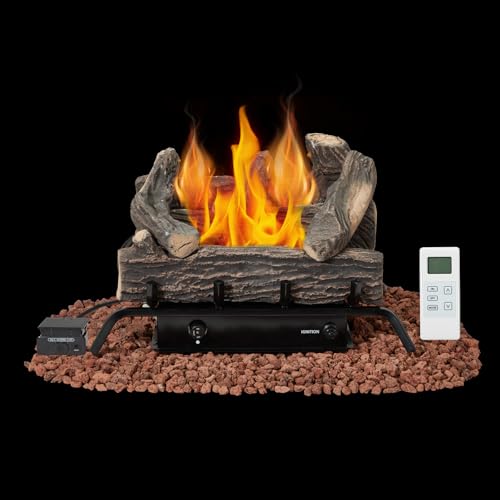
Many homeowners confuse gas inserts with gas log sets. While converting a wood burning fireplace to gas logs is less expensive, gas logs are primarily decorative and produce minimal heat. A true gas insert is a sealed, insulated appliance that functions as a furnace, delivering significant warmth and efficiency. If your goal is heating rather than ambiance, an insert is the superior choice.
The Installation Process Step by Step
Professional installation ensures safety, code compliance, and optimal performance. While the specific steps vary based on your fireplace type and chosen insert, the general process follows a predictable sequence.
- Assessment and Measurement: A technician evaluates your existing fireplace, measuring the firebox opening, depth, and chimney height. This determines which insert models will fit and what venting configuration is required.
- Chimney Preparation: If your chimney lacks a suitable liner, a flexible stainless steel liner is installed. This liner serves as the exhaust pathway for the new gas insert. For those interested in understanding associated maintenance, learning about average cost of a chimney cleaning provides context for ongoing care.
- Gas Line Installation: A licensed plumber or gas technician runs a gas line from your home's supply to the fireplace location. This step requires permits and professional expertise to ensure safety.
- Insert Placement and Connection: The gas insert is positioned within the firebox, connected to the gas line, and attached to the venting system. Electrical connections for blowers, remotes, and ignition systems are completed.
- Testing and Commissioning: The technician tests all functions, checks for leaks, verifies proper venting, and ensures the unit operates according to manufacturer specifications.
Comparing Wood Burning and Gas Inserts
Understanding the trade-offs between your existing wood burning fireplace and a new gas insert helps you make an informed decision. The following table summarizes key differences.
| Feature | Wood Burning Fireplace | Gas Insert |
|---|---|---|
| Heating Efficiency | Low (10–20%) | High (70–90%) |
| Convenience | Manual fueling, ash cleanup | Push-button ignition, thermostat control |
| Maintenance | Frequent chimney sweeping, creosote removal | Annual inspection, occasional glass cleaning |
| Environmental Impact | Emits smoke and particulate matter | Clean-burning natural gas or propane |
| Installation Complexity | Already installed | Requires professional installation |
| Best For | Ambiance, occasional use | Primary heating, consistent use |
Cost Considerations and Value
The total investment for converting wood burning fireplace to gas inserts varies based on several factors, including the type of insert selected, venting requirements, gas line accessibility, and local labor rates. Entry-level inserts provide basic functionality and aesthetic appeal, while mid-range models offer improved efficiency and features like remote controls and thermostats. Premium and luxury inserts deliver maximum heat output, realistic flame presentation, and advanced convenience features.
When evaluating the overall value, consider both immediate and long-term factors. A gas fireplace insert with blower and thermostat offers superior heating control and can reduce reliance on central heating, potentially lowering utility bills over time. Additionally, upgrading to a gas insert can increase your home's value and appeal to buyers seeking modern, low-maintenance heating solutions.
For a detailed breakdown of expenses, including equipment and labor, exploring resources on cost of converting wood burning fireplace to gas provides valuable budgeting insights. Homeowners should also consider ongoing costs such as annual inspections and the price of natural gas or propane in their region.
Choosing the Right Gas Insert
Selecting the appropriate gas insert requires balancing heating capacity, aesthetic preferences, and installation constraints. Begin by determining the square footage you intend to heat. Manufacturers provide BTU ratings that indicate heating capacity; matching this rating to your room size ensures comfortable warmth without excessive energy consumption.
Next, consider the visual design. Gas inserts are available with various flame presentations, log styles, and surround options. Some models feature ceramic fireplace logs that mimic the look of real wood, while others offer contemporary linear burners for a modern aesthetic. The insert's surround—the frame that covers the gap between the insert and your fireplace opening—should complement your home's décor.
Finally, evaluate convenience features. Remote controls, programmable thermostats, and smart home integration add convenience and efficiency. A vented gas fireplace insert with blower and remote control combines powerful heating with effortless operation, making it an excellent choice for busy households.
Maintenance After Conversion
Once your gas insert is installed, regular maintenance ensures safe, efficient operation for years to come. Annual professional inspections verify that the venting system remains clear, the gas connections are secure, and the ignition system functions properly. Homeowners can perform simple tasks between professional visits, such as cleaning the glass front and dusting the blower vents.
For comprehensive care guidance, resources on gas fireplace maintenance outline best practices for keeping your insert in optimal condition. Additionally, understanding how often to service a fireplace helps you establish a maintenance schedule that aligns with manufacturer recommendations and local regulations.
Frequently Asked Questions
Ready to Transform Your Fireplace?
Explore our curated selection of top-rated gas inserts and find the perfect model for your home.
View Recommended Gas Inserts