Average Cost of a Chimney Cleaning: What Homeowners Should Know
Understand the factors that influence chimney sweep pricing, how to choose a qualified professional, and why routine cleaning protects your home and fireplace investment.
Explore Cost FactorsWhy this matters: A chimney is more than a decorative feature — it's a safety system. Creosote, soot, and blockages can lead to chimney fires, carbon monoxide exposure, and poor fireplace performance. Knowing the average cost of a chimney cleaning helps you budget for routine care and avoid emergency repairs. This guide walks you through typical pricing tiers, what's included, and how to get the best value from a certified sweep.
Key Factors That Influence Chimney Cleaning Cost
Chimney sweep pricing is not one-size-fits-all. Several variables determine the final service tier, from the type of fuel you burn to the complexity of your chimney's design. Understanding these factors helps you anticipate where your project falls on the affordability spectrum and ask the right questions when requesting quotes.
Fuel Type & Buildup
Wood-burning fireplaces produce creosote and require more frequent brushing than gas or oil systems. A heavily glazed flue may need extra time and specialized tools, moving the service into a higher tier. Pellet stoves and ventless gas logs each have their own cleaning nuances, so the fuel type directly shapes the scope of work.
Chimney Height & Accessibility
A single-story, straight flue is quicker to service than a tall, multi-flue chimney with offsets or a steep roofline. Sweeps may need to set up additional safety equipment, which can affect the overall service tier. Easy access to the damper and firebox also reduces labor time.
Level of Creosote & Soot
Light, fluffy creosote is straightforward to remove. Glazed, tar-like deposits require more aggressive methods and may need chemical treatments. If it's been several seasons since the last cleaning, expect the job to fall into a higher service tier. Regular maintenance keeps buildup manageable and costs predictable.
Additional Services
Many sweeps bundle a chimney inspection with the cleaning. If you need a camera scan, cap replacement, or masonry repair, those add-ons increase the total project scope. Some companies offer package tiers that combine cleaning, inspection, and minor repairs for better overall value.
Geographic Region
Labor rates and demand vary by market. Urban areas with older housing stock often have more chimney service providers, which can keep pricing competitive. Rural areas may see fewer certified sweeps, potentially affecting availability and service tiers.
Certification & Insurance
CSIA-certified sweeps and those with comprehensive liability insurance typically operate in a higher service tier than uncertified handymen. This premium reflects training, safety standards, and accountability — a worthwhile investment for your home's safety.
Understanding Service Tiers for Chimney Cleaning
Rather than focusing on specific amounts, it's more useful to think in terms of service tiers. These descriptors reflect the relative position of a chimney cleaning provider or package in the market. The right tier for you depends on your chimney's condition, your comfort with risk, and the level of documentation you want.
- Entry-level / Budget-friendly — Basic brush-and-vacuum service, often from a general handyman or a new sweep building a client base. Suitable for light, routine maintenance on a simple chimney with minimal buildup.
- Mid-range / Mid-tier — The most common professional tier. Includes a thorough cleaning, visual inspection, and often a written report. Provided by established, certified sweeps with proper equipment and insurance.
- Premium / High-end — Comprehensive service that may include camera inspection, minor cap or crown adjustments, and a detailed condition assessment. Ideal for older chimneys, heavy creosote, or homeowners who want maximum peace of mind.
- Luxury / Top-tier — Full-service chimney care with same-day scheduling, extensive documentation, and coordination with masonry or roofing specialists if needed. Often chosen for historic homes or complex chimney systems.
No matter which tier you choose, always confirm that the sweep follows NFPA 211 standards and provides proof of certification. A lower-tier service that cuts corners on safety is never a good value. For a deeper dive into the cleaning process itself, see our chimney cleaning guide.
What's Typically Included in a Chimney Cleaning
A professional chimney cleaning is more than just running a brush up the flue. Understanding the standard scope helps you compare quotes fairly and recognize when a service tier includes extra value. Here's what a typical mid-range cleaning covers:
Standard Chimney Cleaning Checklist
- Brushing the entire flue to remove creosote, soot, and debris
- Cleaning the firebox, smoke chamber, and damper area
- Removing ash and debris from the firebox floor
- Inspecting the chimney cap, spark arrestor, and crown for damage
- Checking for blockages from bird nests, leaves, or fallen masonry
- Visual inspection of accessible chimney components
- Protecting your flooring and furniture with drop cloths
- Disposing of removed creosote and soot responsibly
- Providing a basic report or verbal summary of findings
Some providers include a Level 1 inspection with every cleaning, while others charge separately. If you haven't had a professional inspection in over a year, it's wise to combine both services. Our annual fireplace inspection guide explains what inspectors look for and how to prepare.
How Often Should You Schedule a Chimney Cleaning?
Frequency depends on how much you use your fireplace and the type of fuel. The National Fire Protection Association (NFPA) recommends that chimneys be inspected at least once a year and cleaned as needed. Here are practical guidelines:
Wood-Burning Fireplaces
Clean when creosote reaches 1/8 inch — roughly after every cord of wood burned. If you burn frequently, you may need two cleanings per season. Annual inspections are essential to catch glazed creosote early.
Gas & Propane Fireplaces
These produce less creosote but can still accumulate dust, rust flakes, and debris. An annual inspection is recommended, with cleaning every one to three years depending on usage. See our gas fireplace maintenance guide for details.
Oil Furnaces
Oil-fired chimneys can develop soot and sulfur deposits. Annual cleaning and inspection are standard practice to maintain efficiency and safety.
Pellet Stoves
Pellet stoves require more frequent flue cleaning — often every ton of pellets burned — because ash is fine and can clog passages. Refer to your stove manual and a certified sweep for a schedule.
If you're unsure whether it's time, look for these signs: a strong smoky odor, visible creosote flakes, difficulty starting fires, or smoke backing into the room. Our article on fireplace smoke problems covers troubleshooting steps.
How to Choose a Qualified Chimney Sweep
The person you hire matters as much as the price tier. A poorly executed cleaning can damage the flue or leave dangerous deposits behind. Use this checklist when vetting professionals:
Vetting Checklist for Chimney Sweeps
- Verify CSIA (Chimney Safety Institute of America) certification or equivalent
- Ask for proof of liability insurance and workers' compensation
- Request references from recent local customers
- Confirm they follow NFPA 211 standards
- Ask whether a written inspection report is included
- Get a detailed quote that specifies the scope of work
- Check for complaints with the Better Business Bureau
- Ensure they use drop cloths and proper HEPA vacuums
- Ask if they will provide before-and-after photos or video
For more on certifications and what they mean, see our chimney sweep certification page. If you're comparing a DIY approach versus hiring a pro, our DIY vs professional fireplace installation guide offers a helpful framework — many of the same safety considerations apply to cleaning.
Related Maintenance & Long-Term Savings
Chimney cleaning is one part of a broader maintenance routine. Pairing it with other seasonal tasks can extend the life of your fireplace and reduce the chance of costly repairs down the road. Consider these related services:
- Chimney Cap Replacement — A damaged cap lets water and animals in. Replacing it is a modest investment that prevents major masonry damage. See our chimney cap replacement guide.
- Damper & Smoke Chamber Care — A stuck or leaky damper wastes energy. Our damper troubleshooting guide can help you diagnose issues.
- Creosote Prevention — Burning seasoned wood and avoiding low-temperature fires reduces buildup. Learn more in our creosote prevention article.
- Seasonal Preparation — Before winter, a full checklist ensures your fireplace is ready. Use our winter preparation guide.
Regular maintenance also ties into home value. A well-maintained fireplace is a selling point, and documented service records give buyers confidence. Our article on fireplace home value explores this further.
Frequently Asked Questions About Chimney Cleaning Costs
How often should a chimney be cleaned?
Most wood-burning chimneys should be inspected annually and cleaned when creosote buildup reaches 1/8 inch or after burning about one cord of wood. Gas and oil chimneys need annual inspections but often need less frequent cleaning. Pellet stoves may require more frequent flue cleaning.
What is included in a standard chimney cleaning?
A standard cleaning typically includes brushing the flue, removing creosote and soot, cleaning the firebox, smoke chamber, and damper, and a visual inspection of accessible components. Many sweeps also check the cap and crown and provide a basic report.
Do all chimney sweeps charge the same?
No. Pricing varies by region, chimney type, accessibility, level of buildup, and whether additional services like inspections or repairs are included. Certiifed sweeps with insurance typically fall into a higher service tier than uncertified handymen.
Can I clean my own chimney to save money?
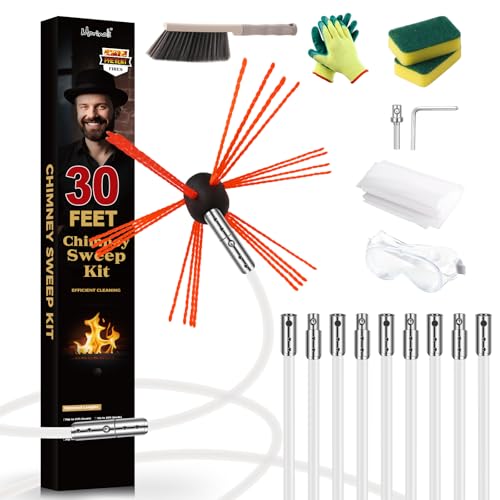
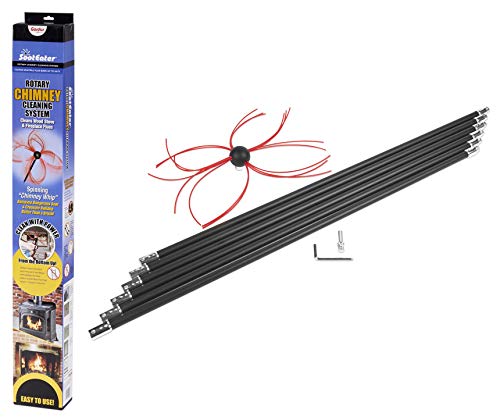
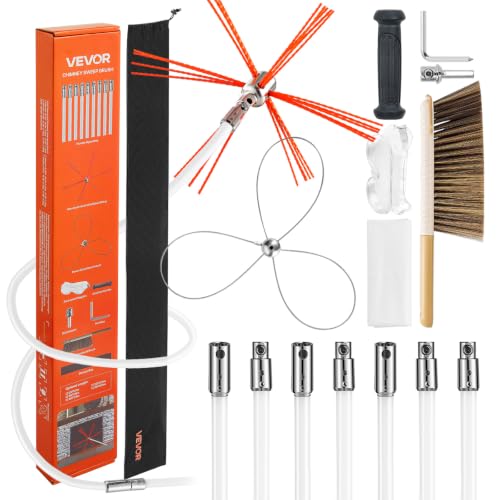
While DIY chimney cleaning is possible, it requires proper brushes, rods, safety equipment, and knowledge of NFPA standards. Improper cleaning can damage the flue or leave dangerous creosote behind. For most homeowners, hiring a certified sweep is safer and more thorough. If you're considering DIY, read our DIY fireplace inspection checklist first.
What are the signs my chimney needs cleaning?
Signs include a strong smoky odor, visible creosote flakes, difficulty starting fires, smoke backing into the room, and black soot around the fireplace opening. If you notice any of these, schedule an inspection promptly. Our soot troubleshooting guide can help you assess the situation.
Final Thoughts: Budgeting for Chimney Care
The average cost of a chimney cleaning is best understood as an investment in home safety and fireplace longevity. By choosing a qualified sweep and staying on a regular maintenance schedule, you avoid the far higher expense of chimney fire damage, structural repairs, or carbon monoxide issues. Use the tier framework in this guide to compare quotes confidently, and don't hesitate to ask for certification and insurance details.
For a complete seasonal maintenance plan, explore our monthly and yearly maintenance schedule. If you're also considering upgrades or conversions, our fireplace cost breakdown provides a broader financial perspective.
Ready to learn more? Visit our fireplace maintenance hub for cleaning, inspection, and troubleshooting guides.