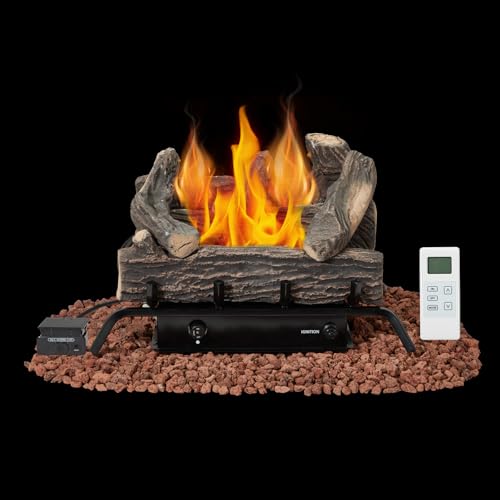
Replace Your Wood Burning Fireplace with a Gas Insert
A complete guide to upgrading your old wood-burning fireplace for modern convenience, efficiency, and comfort.
Start LearningWhy Upgrade? While a traditional wood-burning fireplace offers nostalgic charm, it is often inefficient and messy. Replacing it with a gas insert is a popular upgrade that provides instant heat, cleaner operation, and modern convenience. This guide will walk you through every step of the decision-making and conversion process.
The Key Benefits of Switching to a Gas Insert
Switching from wood to gas is more than just a change in fuel; it's an upgrade in lifestyle. The primary advantage is convenience. You can start a fire with the push of a button or a remote control, eliminating the need to chop, store, and haul firewood. There's no more dealing with ash, soot, or the hassle of cleaning up after every use.
Another major benefit is efficiency. Traditional open wood fireplaces are notoriously inefficient, with most of the heat escaping up the chimney. A modern gas fireplace insert for wood burning fireplace is a sealed system that radiates far more heat into your room, making it a viable supplemental heat source. This improved efficiency can help lower your home's heating bills. For those looking for a completely different installation approach, exploring types of fireplaces can provide further context.
Is a Gas Insert the Right Choice for Your Home?
Before committing, assess your home's existing setup. Most wood-burning fireplaces can accommodate a gas insert, but there are exceptions. A professional will need to inspect your chimney and firebox to ensure it is suitable for venting a gas appliance. If you have a prefabricated or zero-clearance fireplace, the process might differ.
You also need to consider fuel availability. A conversion to natural gas is ideal if your home already has a gas line running to the fireplace area. If not, you'll need to factor in the cost of running a line, or consider a propane model instead. For many homeowners, the switch is a clear winner over the ongoing maintenance required for wood fireplaces. To understand the broader context of this decision, it can be helpful to compare the pros and cons of each fireplace type.
Installation & Cost Considerations
The installation of a gas insert is a specialized job that should be handled by a qualified professional (NFI certified, if possible). The process typically involves running a gas line, installing a vent liner or direct vent system, and connecting the electrical components for the blower and ignition system. The cost of this project varies widely depending on factors like the chosen insert tier (entry-level, mid-range, or premium), the need for a new gas line, and local labor rates. It's essential to get multiple quotes to understand the potential investment for your specific situation.
For a more detailed breakdown of the potential expenses involved, you can refer to guides on the cost of converting a wood burning fireplace to gas. A key step is ensuring the installation adheres to local building codes and permit requirements.
A Step-by-Step Overview of the Conversion Process
While a professional will do the heavy lifting, understanding the general process can help you plan. First, a technician will inspect the chimney and firebox. They will then run the necessary gas line and a flexible vent liner (for a vented insert) or a direct vent kit. The insert is then positioned in the firebox, connected to the gas and venting, and wired for power. Finally, the surround is attached, and the unit is tested for safety and proper operation. For a related installation scenario, exploring resources like installing a gas fireplace in an existing chimney can provide further insight.
Many homeowners choose to convert a wood burning fireplace to gas inserts not just for the main living area but also for other spaces. The variety of modern contemporary fireplace designs means you can integrate this upgrade seamlessly into your home's aesthetic. You might also consider decorative elements like a stone fireplace surround to complete the new look.
What If a Gas Insert Isn't an Option?
For some, running a gas line isn't feasible. In that case, an electric fireplace insert is a fantastic alternative. These units require only a standard electrical outlet and offer impressive flame realism with minimal installation. You can read a direct comparison in our guide on gas vs. electric fireplaces. Whether you choose gas or electric, you're moving towards a cleaner, more convenient heating solution.
Frequently Asked Questions
Is it worth replacing a wood burning fireplace with a gas insert?
For many homeowners, yes. The convenience of instant-on, controllable heat, combined with improved energy efficiency and reduced mess, often outweighs the initial investment. It transforms a mostly decorative feature into a functional heating appliance.
Can I install a gas insert myself?
This is not a recommended DIY project. Working with gas lines and venting is dangerous and requires specialized knowledge. Most localities also require a permit and inspection by a licensed professional to ensure the installation is safe and code-compliant.
How long does a gas insert last?
A well-maintained gas insert can last for many years. The lifespan can be compared to the general lifespan of a fireplace, which varies by type and usage. Regular annual servicing, similar to a gas fireplace maintenance routine, is key to maximizing its longevity.