Whitewash Paint for Brick Fireplace
Transform your outdated or dark brick fireplace into a bright, modern focal point. Our complete guide covers everything you need to know about whitewashing brick, from choosing the right paint to step-by-step application and design inspiration.
Start Your ProjectWhy Whitewash Your Brick Fireplace?
A brick fireplace often serves as the heart of a living room, but its original color can feel heavy, dated, or simply not match your current decor. Whitewashing is a popular and effective way to update this architectural feature without the mess and expense of a full remodel. Unlike painting, which creates a solid, opaque finish, whitewashing uses a diluted paint mixture that allows the natural texture and some of the original brick color to show through. This creates a soft, washed, and often romantic look that works beautifully in farmhouse, coastal, modern, and transitional interiors.
For homeowners researching fireplace buying guides, understanding how to refresh an existing fireplace can be a game-changer. It allows you to keep the character of a real brick hearth while giving it a completely new aesthetic. This project is also highly DIY-friendly, making it an attractive option for those who enjoy hands-on home improvements. If you are considering a more extensive change, you might also explore options like refacing a brick fireplace with stone, but whitewashing remains one of the most budget-friendly and transformative choices.
What is Whitewashing? A Clear Explanation
Whitewashing is a technique that involves applying a thin, translucent layer of paint over a surface, such as brick. The goal is not to completely cover the brick, but to create a "wash" of color that softens the appearance, lightens the overall tone, and highlights the texture. The mixture is typically made from a 50/50 blend of white paint and water, though the ratio can be adjusted to achieve a more opaque or more transparent finish.
It is important to distinguish whitewashing from other similar techniques:
- Whitewashing vs. Painting: Painting brick involves applying a solid, opaque coat of paint, completely hiding the brick's original color. Whitewashing is translucent, allowing the brick to "breathe" and retaining some of its natural variation.
- Whitewashing vs. Limewashing: Limewash is a traditional finish made from limestone, water, and natural pigments. It is more durable and has a chalky, matte appearance. Whitewash is often a simpler, paint-based DIY alternative.
- Whitewashing vs. German Schmear: The German Schmear is a technique where a thick mortar-like mixture is troweled onto the brick, filling the mortar joints and leaving a heavily textured, distressed look. It is much thicker and more opaque than a traditional whitewash.
Choosing the Right Whitewash Paint for Your Brick Fireplace
The success of your project depends heavily on the materials you choose. Not all paints are created equal, especially when it comes to a high-heat environment like a fireplace. Here’s what you need to consider:
1. Paint Type: Latex vs. Masonry Paint
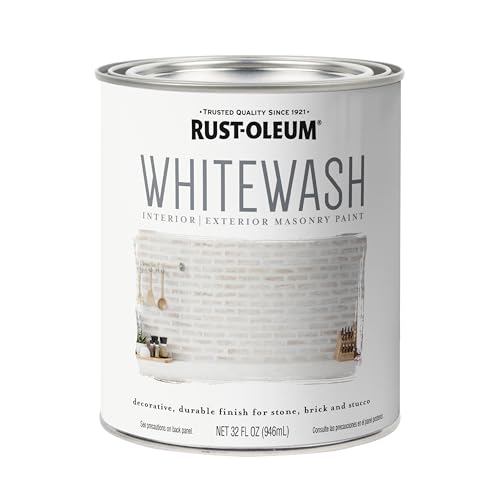
For a standard whitewash mixture, a high-quality acrylic latex paint is the most common choice. It is easy to work with, dries relatively quickly, and can be diluted with water. However, for a fireplace surround that may be exposed to heat, consider a specialized masonry paint or a paint designed for high-heat applications. If you are painting the interior firebox, you must use a high-heat paint for fireplace brick to prevent peeling and discoloration.
2. Finish: Matte vs. Satin
A matte or flat finish is generally recommended for whitewashing brick. It looks more natural and mimics the appearance of traditional limewash. Satin or semi-gloss finishes can look too shiny and artificial on brick, though they are easier to clean. For a fireplace, a matte finish is usually the preferred choice for aesthetics.
3. Color: Pure White vs. Off-White vs. Tinted
While classic white is the most popular choice, you are not limited to it. Off-white, cream, light gray, or even a soft beige can create a beautiful, warm effect. You can also add a small amount of a darker paint color to your white mixture to create a custom tint. For inspiration on coordinating colors, you might look at paint colors that go with a red brick fireplace.
4. Primer: Do You Need It?
Generally, you do not need a separate primer for whitewashing. The diluted paint mixture itself acts as a primer and topcoat. However, if your brick is very porous, dirty, or has been previously sealed, a masonry primer can help the whitewash adhere better and ensure a more uniform finish.
| Paint Feature | Recommendation | Why It Matters |
|---|---|---|
| Base Paint | Acrylic Latex or Masonry Paint | Easy to dilute, durable, and breathable for brick. |
| Finish | Matte or Flat | Provides a natural, non-reflective look that suits brick texture. |
| Color | Pure White, Off-White, or Custom Tint | Determines the final aesthetic, from crisp and modern to soft and rustic. |
| Heat Resistance | High-Heat Paint (for firebox interior only) | Prevents peeling and discoloration in high-temperature areas. |
Step-by-Step Guide to Whitewashing a Brick Fireplace
Follow these steps for a professional-looking finish. This project typically takes a weekend, depending on the size of the fireplace and drying times.
Step 1: Prep & Clean
Cover the floor and surrounding area with drop cloths. Remove any fireplace accessories, screens, or logs. Clean the brick thoroughly using a stiff brush and a mixture of warm water and a mild detergent. For heavy soot or creosote, use a specialized cleaner like those found in our guide to cleaning fireplace brick and stone. Rinse well and allow the brick to dry completely.
Step 2: Mix Your Whitewash
In a plastic bucket, mix your chosen paint with water. A common starting ratio is 1 part paint to 1 part water. Stir thoroughly until you have a smooth, milky consistency. You can adjust the ratio: more paint for a more opaque finish, more water for a more transparent wash. Test the mixture on a spare brick or an inconspicuous area first.
Step 3: Apply the Whitewash
Working in small sections (about 2-3 square feet at a time), apply the whitewash using a paintbrush, a roller, or a sprayer. For a classic whitewashed look, use a brush and work the mixture into the texture and mortar joints. Avoid over-brushing; you want a somewhat uneven, natural application.
Step 4: Wipe & Distress
Immediately after applying the whitewash to a section, use a clean, damp rag or sponge to wipe away some of the paint. This is the key step that creates the translucent, "washed" effect. Wipe more in areas where you want more of the original brick to show through, and less in areas where you want more coverage. Work quickly before the paint dries.
Step 5: Let It Dry & Repeat
Allow the first coat to dry completely according to the paint manufacturer's instructions. If you want a more opaque finish, apply a second coat, following the same apply-and-wipe technique. A single coat usually provides a beautiful, subtle wash.
Step 6: Seal (Optional)
Once the whitewash is fully dry, you can apply a masonry sealer to protect the finish and make it easier to clean. This is especially recommended for fireplaces that see a lot of use. Ensure the sealer is breathable to allow moisture to escape from the brick.
Design Ideas for Your Whitewashed Brick Fireplace
A whitewashed brick fireplace can serve as a stunning focal point in any room. Here are some design ideas to inspire your project:
- Farmhouse Chic: Pair a softly whitewashed brick fireplace with a chunky reclaimed wood mantel, a pair of candle holders for your fireplace mantel, and a cozy, neutral color palette.
- Modern Minimalist: For a sleek look, opt for a more opaque whitewash and pair it with a simple, linear mantel or no mantel at all. Add a large piece of abstract art above the fireplace and keep the surrounding decor minimal.
- Coastal Retreat: A light, slightly distressed whitewash evokes the feeling of driftwood. Decorate with natural textures like jute rugs, linen curtains, and a driftwood log set for your gas fireplace.
- Contrast and Drama: If you want a bolder look, consider a heavier whitewash that leaves significant dark patches. You can also pair a whitewashed surround with a contemporary fireplace wall design featuring dark paint or tile for a striking contrast.
- Seasonal Decor: A whitewashed fireplace is a perfect canvas for seasonal decorating. For the holidays, you can create a beautiful display with a DIY fireplace Christmas arrangement, or simply hang garland on your fireplace mantel for a festive touch.
Common Mistakes to Avoid When Whitewashing a Brick Fireplace
To ensure a beautiful and long-lasting result, steer clear of these common pitfalls:
- Skipping the Cleaning Step: Dirt, soot, and grease will prevent the whitewash from adhering properly, leading to a patchy, uneven finish that may peel. Proper cleaning is essential.
- Not Testing Your Mixture: The ratio of paint to water can significantly affect the final color and opacity. Always test on a spare brick or in a hidden area before committing to the entire fireplace.
- Working in Large Sections: Whitewash dries quickly. If you apply it to a large area before wiping, the paint will have already set, and you will not be able to achieve the distressed, washed effect. Work in small, manageable sections.
- Over-Wiping: While you want a translucent finish, over-wiping can remove too much paint, leaving a thin, dull, and potentially uneven layer. Aim for a balance.
- Using the Wrong Paint for the Firebox: Never use regular latex paint inside the firebox. Always use a paint specifically designed for high temperatures.
- Forgetting to Seal: While optional, sealing a whitewashed fireplace (especially in a high-traffic area) can protect it from stains and make cleaning easier. However, ensure the sealer is breathable.
Maintaining Your Whitewashed Brick Fireplace
Once your whitewashed fireplace is complete, maintenance is relatively simple. Regular dusting with a soft brush or vacuuming with a brush attachment will keep it looking fresh. For deeper cleaning, use a mild soap and water solution and a soft cloth. Avoid abrasive cleaners, which can damage the finish. If you sealed the brick, you can gently wipe it down with a damp cloth as needed. As part of your regular fireplace maintenance routine, inspect the whitewash for any signs of chipping or peeling, especially in areas that see a lot of heat or handling. Touch-ups are easy; simply mix a small batch of your whitewash and apply it to the affected area. For a comprehensive maintenance schedule, refer to our seasonal fireplace checklist.