Removing Paint from Brick Fireplace: A Complete Guide
Restoring your brick fireplace to its natural beauty is a rewarding DIY project. This comprehensive guide walks you through safe, effective methods to strip paint without damaging the masonry.
Explore MethodsWhy Remove Paint from Brick?
Painting a brick fireplace was once a popular trend, but many homeowners now seek to restore the authentic, rustic charm of exposed brick. Removing paint can dramatically improve the aesthetic appeal of your living space, especially if you're aiming for a living room fireplace design that highlights natural materials. Beyond aesthetics, unpainted brick can breathe better, reducing moisture issues over time.
However, the process requires patience and the right techniques. Brick is porous and can be damaged by aggressive methods. This guide covers everything from preparation to finishing, ensuring you achieve professional-looking results.
Preparation: The Key to Success
Safety First
Before you begin, gather the necessary safety gear. Paint on older fireplaces may contain lead, especially if your home was built before 1978. Test for lead paint using a DIY kit or hire a professional. If lead is present, follow EPA guidelines for safe removal.
- Respirator: Use a NIOSH-approved respirator to avoid inhaling dust or fumes.
- Goggles: Protect your eyes from flying debris and chemical splashes.
- Gloves: Chemical-resistant gloves are essential when using strippers.
- Ventilation: Open windows and use fans to keep the area well-ventilated.
Tools and Materials
Depending on the method you choose, you'll need some of the following:
- Chemical paint stripper (gel or paste)
- Wire brushes and stiff-bristle brushes
- Putty knife and scraper
- Sandpaper (various grits) and sanding block
- Heat gun (optional)
- Drop cloths and plastic sheeting
- Muriatic acid or masonry cleaner (for stubborn stains)
For those who prefer a more modern approach, consider whether replacing the fireplace with an electric fireplace insert might be a better long-term solution, especially if the brick is severely damaged.
Methods for Removing Paint from Brick
There are several approaches, each with pros and cons. The best method depends on the type of paint, the age of the brick, and your comfort level with chemicals.
1. Chemical Paint Strippers
Chemical strippers are often the most effective for thick layers of paint. They work by softening the paint, making it easy to scrape away.
- Choose the right product: Look for a gel or paste specifically designed for masonry. These cling to vertical surfaces better than liquid strippers.
- Apply generously: Use a brush to apply a thick layer over a small section. Let it sit for the recommended time.
- Scrape and scrub: Use a putty knife to remove softened paint, then scrub remaining residue with a wire brush.
- Neutralize: Some strippers require a neutralizing agent. Follow the manufacturer's instructions.
For a comprehensive guide on maintaining your fireplace after restoration, refer to our fireplace maintenance resources.
2. Sanding and Grinding
For thin layers of paint or as a follow-up to chemical stripping, sanding can be effective. However, it creates a lot of dust and can damage the brick if overdone.
- Use the right grit: Start with a medium-grit sandpaper (80-120) and finish with a finer grit (220) for a smooth surface.
- Consider a wire brush: A wire brush attachment for a drill can speed up the process, but use it carefully to avoid gouging the brick.
- Wet sanding: To minimize dust, lightly mist the area with water while sanding.
If you're considering a more extensive renovation, such as refacing your brick fireplace with stone, it might be worth evaluating whether paint removal is the best path.
3. Heat Gun
A heat gun can soften paint, making it easier to scrape. This method works well for multiple layers but requires caution.
- Keep it moving: Don't hold the heat gun in one spot for too long, as it can crack the brick or cause a fire.
- Scrape immediately: As the paint softens, scrape it away with a putty knife.
- Ventilation is crucial: Fumes from heated paint can be toxic.
4. Power Washing (Use with Extreme Caution)
Power washing can remove paint, but it can also force water into the brick, leading to moisture problems and efflorescence. It's generally not recommended for interior fireplaces.
Method Comparison at a Glance
| Method | Best For | Difficulty | Risk of Damage |
|---|---|---|---|
| Chemical Strippers | Thick paint, intricate details | Moderate | Low (if used correctly) |
| Sanding/Grinding | Thin paint, final smoothing | Easy to Moderate | Moderate (can scratch brick) |
| Heat Gun | Multiple layers, small areas | Moderate | Moderate (fire risk) |
| Power Washing | Exterior brick only | Easy | High (moisture damage) |
Step-by-Step Removal Process
- Prepare the Area: Lay down drop cloths and tape plastic sheeting around the fireplace to protect surrounding surfaces.
- Test a Small Area: Always test your chosen method on a small, inconspicuous area first to ensure it doesn't damage the brick.
- Apply Your Method: Whether using chemical stripper, heat gun, or sander, work in small sections.
- Remove Paint: Scrape away softened paint. For chemical strippers, use a putty knife; for heat guns, a scraper works best.
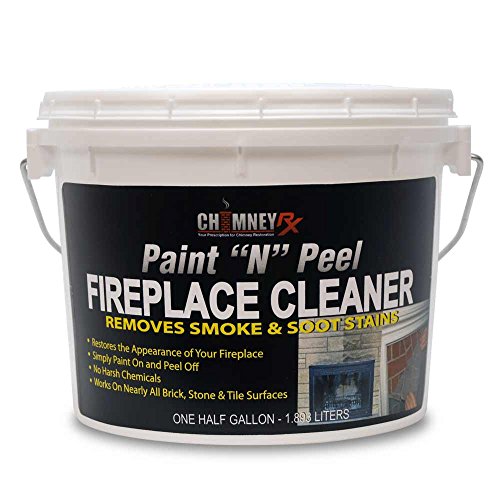
- Clean the Brick: After removing the bulk of the paint, clean the brick with a masonry cleaner or a mixture of water and mild detergent. For tough stains, a diluted muriatic acid solution can be used, but follow safety precautions strictly.
- Neutralize and Rinse: If using acid, neutralize with a baking soda solution and rinse thoroughly.
- Allow to Dry: Let the brick dry completely before deciding on a sealer or finish.
- Seal (Optional): A breathable masonry sealer can protect the brick and make future cleaning easier.
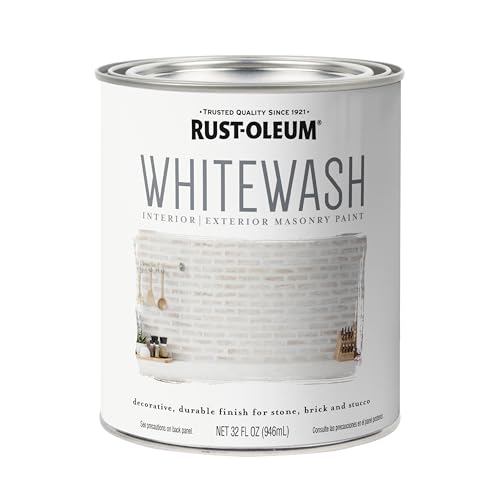
If you're planning to paint the brick again after removal, consider using a whitewash paint for brick fireplace for a trendy, updated look.
Aftercare and Maintenance
Once the paint is removed, your brick fireplace will require regular care to maintain its appearance. Here are some tips:
- Regular Cleaning: Dust the brick regularly and clean with a mild detergent solution as needed.
- Avoid Harsh Chemicals: Acidic or abrasive cleaners can damage the brick over time.
- Inspect for Damage: Check for cracks or crumbling mortar and repair promptly. Our guide on how to clean fireplace brick and stone provides detailed instructions.
- Consider a Sealer: A breathable sealer can protect against stains and moisture.
If your fireplace is due for a more significant update, you might explore options like painting over brick fireplace before and after transformations for inspiration.
Frequently Asked Questions
Can I use a pressure washer to remove paint from an interior brick fireplace?
No, pressure washing is not recommended for interior brick. The high-pressure water can force moisture deep into the brick, leading to mold, efflorescence, and structural damage.
How do I know if the paint contains lead?
If your home was built before 1978, assume the paint may contain lead. Use a lead test kit available at hardware stores, or hire a certified inspector. If lead is present, follow EPA's Renovation, Repair, and Painting (RRP) guidelines.
What is the best way to remove multiple layers of paint?
Chemical strippers are usually the most effective for multiple layers. You may need to apply the stripper several times. A heat gun can also work, but be cautious of fire hazards.
How long does the process take?
It depends on the size of the fireplace and the method used. Chemical stripping may take several hours to a full day, while sanding can be faster but messier. Plan for a weekend project.
Should I seal the brick after removing paint?
Sealing is optional but recommended for protection. Use a breathable masonry sealer to allow moisture to escape while preventing stains.
Ready to Restore Your Fireplace?
Removing paint from a brick fireplace is a labor-intensive but highly rewarding project. With the right tools and techniques, you can reveal the beautiful, natural brick underneath. If you're considering upgrading your fireplace instead of restoring it, explore our recommended products below.
View Recommended Products