10 Common Fireplace Problems and How to Fix Them
Practical solutions for fireplace smoke, pilot light, and other common issues in your home.
Read More →
Transform your outdated or stained brick fireplace with the right high-temperature paint. This complete guide covers everything you need to know for a safe, durable, and beautiful finish.
START THE GUIDEWhy Paint Your Fireplace Brick? Painting is one of the most cost-effective ways to modernize a brick fireplace. It can brighten a dark room, cover stubborn soot stains, and align your fireplace with your home's aesthetic—all without the mess and expense of a full remodel.
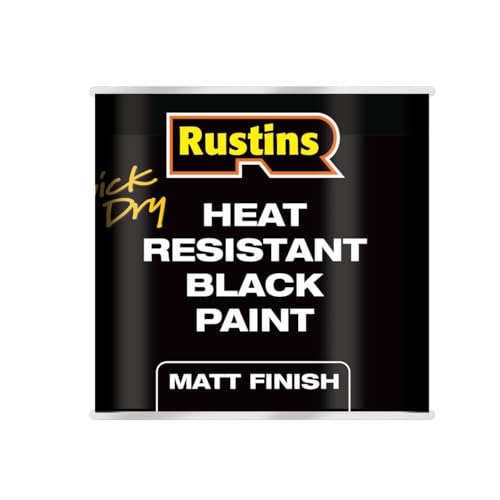
Not all paints are created equal, especially when it comes to a surface that experiences extreme temperature fluctuations. Standard wall paint will blister, peel, and crack when exposed to the heat of a fire. High heat paint for fireplace brick is specifically formulated with heat-resistant resins and pigments that can withstand temperatures typically ranging from 200°F to 1200°F (93°C to 649°C), depending on the product and its proximity to the firebox.
When selecting a paint, you'll encounter different tiers of quality. Entry-Level options are typically suitable for the cooler outer brick surfaces, while Premium and High-End formulas are designed for areas closer to the heat source, offering superior adhesion and long-term durability.
Important Distinction: There is a difference between paint for the firebox interior and paint for the exterior brick surround. Firebox paint must handle direct flames and extreme temperatures, while exterior brick paint needs to be heat-resistant but also durable against normal wear and tear. This guide focuses on both applications.
You'll find several types of heat-resistant paints on the market, each with specific use cases:
For a comprehensive look at preparing different fireplace materials, you might find our guide on how to clean fireplace brick and stone helpful before you begin painting.
When comparing products, pay attention to these critical features:
| Feature | Why It Matters |
|---|---|
| Temperature Rating | Must exceed the maximum temperature your fireplace brick will reach. For the firebox, aim for 1200°F+. For the surround, 200°F–600°F is usually sufficient. |
| Adhesion | Brick is porous and can be dusty. A paint with excellent adhesion will bond properly and resist peeling. |
| Finish | Matte hides imperfections, while satin or gloss is easier to clean. Choose based on your design preference and maintenance needs. |
| VOC Content | Low-VOC or zero-VOC paints are safer for indoor use, especially in living spaces. |
| Color Range | High heat paints traditionally come in black, white, and a few basic colors. However, more brands now offer custom tinting for exterior brick applications. |
Your choice depends on two main factors: location and desired look.
If you're considering a complete color change, our article on whitewash paint for brick fireplace explores a popular alternative technique that offers a softer, more textured look.
Proper preparation and application are crucial for a long-lasting finish.
For a broader renovation project, you might also be interested in refacing a brick fireplace with stone or simply giving it a DIY fireplace makeover.
Yes, but you must use a paint specifically rated for the extreme temperatures of a firebox (typically 1200°F or higher). Standard "high heat" paint for grills or engines may not be suitable. Always check the label for "firebox" or "fireplace" interior use.
When applied correctly and cured properly, high heat paint can last for many years. The lifespan depends on the quality of the paint, the preparation, and the frequency of use. A Premium paint applied with meticulous prep can easily last 5-10 years or more.
If the old paint is in good condition and is also a high heat paint, you can often paint over it after cleaning and lightly sanding. However, if it's peeling or flaking, you must remove it completely. Our guide on removing paint from brick fireplace provides detailed instructions.
Look for low-VOC or zero-VOC formulas that are specifically designed for indoor applications. While the paint is curing, it will produce odors and potentially some fumes, so proper ventilation is essential. Once fully cured, it is safe for indoor use.
Yes, high heat spray paint is an excellent choice for metal surrounds, grates, and doors. It provides a durable, rust-resistant finish. For more tips on this, see our guide on painting a metal fireplace surround.
Once the paint is fully cured, you can clean it with a soft cloth or a brush attachment on a vacuum. For deeper cleaning, use a mild soap and water solution. Avoid abrasive cleaners that could scratch the finish.

Practical solutions for fireplace smoke, pilot light, and other common issues in your home.
Read More →
Complete comparison of advantages, disadvantages, and operational costs of both fireplace types for US homes.
Read More →
Simple formula to determine fireplace capacity according to room size in square feet.
Read More →⚠️ AFFILIATE DISCLOSURE: This website contains affiliate links. As an Amazon Associate, we earn from qualifying purchases. If you make a purchase through these links, we may receive a small commission at no additional cost to you. Read our full affiliate policy.




Some content on this site is created with the help of AI. All information is provided for educational purposes only, not as professional advice. We are not responsible for any losses that may arise from the use of this information. By accessing this site, you agree to waive your right to bring legal claims against us related to the use of the information provided. If you do not agree, please leave this site. Read more.