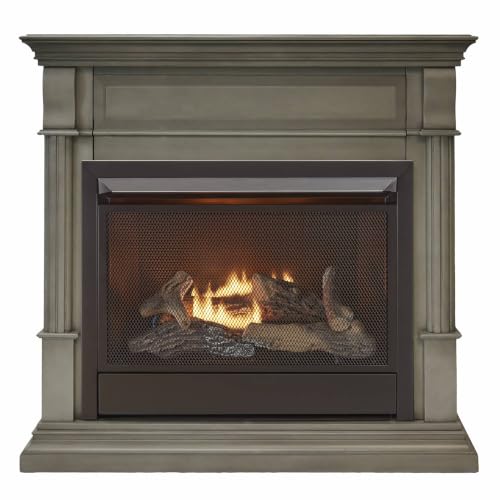
Ventless Propane Fireplaces for Sale
Your complete guide to buying a vent-free propane fireplace. Learn about safety, efficiency, installation, and the best models for your home.
Why Choose a Ventless Propane Fireplace? Ventless propane fireplaces offer a unique combination of convenience, efficiency, and flexibility. Unlike traditional wood-burning or vented gas fireplaces, these units do not require a chimney or exterior vent, making them ideal for homes without existing flues or for rooms where adding a vent is impractical. They are nearly 100% efficient, meaning almost all the heat they produce stays in your room. However, they also come with specific safety and installation considerations that every buyer must understand before purchasing. This guide will walk you through everything you need to know to make an informed decision.
What Exactly Is a Ventless Propane Fireplace?
A ventless propane fireplace, also known as a vent-free or unvented fireplace, is a self-contained heating appliance that burns propane gas to produce a real flame and heat without sending exhaust gases outdoors through a chimney or vent. Instead, the combustion gases are released directly into the room. This design is possible because these units are engineered to burn propane extremely cleanly, producing very low levels of carbon monoxide and other byproducts. Most models are equipped with an Oxygen Depletion Sensor (ODS) that automatically shuts off the unit if oxygen levels in the room drop below a safe threshold. This makes them a popular choice for apartment fireplace installation and for homes where a traditional chimney is unavailable or too costly to install.
These fireplaces come in a variety of styles, including wall-mounted units, freestanding models, and inserts that can be placed into an existing fireplace opening. They are particularly valued for their ability to provide supplemental heating during power outages, as many models do not require electricity to operate. If you are considering a ventless propane fireplace, it is also wise to understand the general gas fireplace installation requirements to ensure your home is compatible.
How Do Ventless Propane Fireplaces Work?
Understanding the mechanics of a ventless propane fireplace helps you appreciate its efficiency and safety features. The unit connects to a propane tank or a propane line, and the gas is fed to a burner where it is ignited, either manually with a piezo igniter or electronically with a battery-powered spark. The flame heats a set of ceramic logs or stones, which radiate heat into the room. Because there is no vent, all the heat—typically between 20,000 and 40,000 BTU—remains in the space, making them highly efficient.
The key to safe operation is the Oxygen Depletion Sensor (ODS). This pilot safety system monitors the oxygen level in the room. If it falls below a certain point (usually around 18%), the ODS shuts off the gas supply to prevent the production of dangerous carbon monoxide. This is why proper sizing and room ventilation are critical. For a deeper dive into how these systems compare to other heating options, you might explore most energy-efficient fireplace types.
Pros and Cons of Ventless Propane Fireplaces
Advantages
- No chimney or vent required, simplifying installation.
- Nearly 100% heating efficiency; all heat stays in the room.
- Can be installed in apartments, basements, and mobile homes.
- Many models work during power outages (battery ignition).
- Provide a realistic flame and ambiance.
- Lower installation costs compared to vented units.
Disadvantages
- Release moisture and combustion byproducts into the room.
- Not permitted in some states or municipalities; check local codes.
- Require a room of a certain size (typically at least 1,000 sq ft).
- May produce a slight odor on first use.
- Can deplete oxygen in tightly sealed rooms; ODS is essential.
- Not recommended as a primary heat source for entire homes.
Weighing these pros and cons is essential. If you have a large, open living space and want a convenient, efficient heat source, a ventless propane fireplace can be an excellent choice. However, if you have a small, airtight room or live in an area with strict regulations, you may need to consider a vented fireplace log set or a different type of heater. For a broader comparison, see our guide on ventless vs vented gas fireplaces.
Safety and Installation: What You Must Know
Safety is paramount with any unvented gas appliance. Always follow the manufacturer's instructions and local building codes. Key safety practices include:
- Room Size: Most manufacturers require a minimum room volume (e.g., 1,000 square feet) to ensure adequate oxygen. Never install a ventless fireplace in a small, enclosed space like a bathroom or small bedroom.
- Ventilation: Even though they are vent-free, they still need a source of fresh air. Cracks around windows and doors often suffice, but in tightly sealed homes, you may need to open a window slightly or install a fresh air intake.
- Oxygen Depletion Sensor (ODS): Ensure your unit has a functioning ODS. Test it regularly according to the manual.
- Carbon Monoxide Detector: Install a CO detector in the same room as the fireplace. This is a non-negotiable safety measure.
- Professional Installation: While some units are DIY-friendly, connecting to a propane line should be done by a licensed professional. If you are unsure, read our guide on DIY vs professional fireplace installation.
For a comprehensive checklist, refer to our fireplace inspection checklist. If you ever smell gas, follow the safety steps in our article on what to do if your fireplace smells like gas.
Choosing the Right Size and BTU Output
Ventless propane fireplaces are rated by their heat output in British Thermal Units (BTU). A typical unit produces between 20,000 and 40,000 BTU. To heat a room effectively, you need roughly 20 BTU per square foot of living space in a moderately insulated home. Therefore, a 30,000 BTU fireplace can comfortably heat an area up to about 1,500 square feet. However, if the room is poorly insulated or has high ceilings, you may need more. Our fireplace heating capacity BTU guide provides a detailed formula. You can also use our how to size a fireplace worksheet to calculate your specific needs.
Keep in mind that ventless fireplaces are not intended to be your sole heat source for an entire house. They are best used as supplemental heating or for zone heating in a specific room. For whole-home heating, you would need a central system. If you are curious about the limits, read can a fireplace heat an entire house.
Types of Ventless Propane Fireplaces for Sale
When shopping, you'll encounter several styles:
- Wall-Mounted: These sleek units hang on the wall like a picture, saving floor space. They are perfect for modern homes. See our propane wall fireplace direct vent guide for comparison, though note that direct vent is different from ventless.
- Freestanding: These look like traditional stoves or cabinets and can be placed almost anywhere. A popular option is the freestanding ventless gas fireplace with blower, which helps circulate heat.
- Inserts: If you have an existing wood-burning fireplace that is unusable, a ventless propane fireplace insert with blower can convert it into an efficient heater. This is a great alternative to a full fireplace remodel.
- Log Sets: These are ceramic logs that you place in an existing fireplace opening. They are often called ventless fireplace logs and are a budget-friendly way to get the look of a real fire. Many people use a gas log set for this purpose.
Each type has its own installation requirements. For example, a wall-mounted unit needs to be near a gas line, while an insert requires a suitable existing firebox. Always check the manual for clearances.
Efficiency and Running Costs
Ventless propane fireplaces are renowned for their efficiency. Because no heat escapes up a chimney, nearly all the BTU produced is converted into usable heat. This can make them more economical to run than vented gas logs, which lose a significant portion of heat up the flue. However, the actual running cost depends on the price of propane in your area and how often you use the fireplace. To compare with other fuel types, see our articles on gas vs electric fireplace running costs and electric vs gas running costs. If you are considering electric as an alternative, you might also want to read are electric fireplaces expensive to run.
It's also important to factor in maintenance. While ventless units require less upkeep than wood-burning fireplaces, they still need periodic cleaning and inspection. Our gas fireplace maintenance guide covers the essentials. For a yearly schedule, see fireplace maintenance schedule.
Key Features to Look For When Buying
When browsing ventless propane fireplaces for sale, consider these features:
- Thermostat and Remote: Many models come with a remote control and a built-in thermostat, allowing you to set a desired temperature. This is a major convenience. Look for a fireplace heater with remote control.
- Blower: A blower fan helps distribute heat more evenly across the room. Some models have a ventless gas fireplace insert with blower and remote.
- Realistic Flames: Modern ventless units offer very realistic flames with glowing embers. Check for models with hand-painted ceramic logs and reflective firebox liners.
- Safety Certifications: Ensure the unit is certified by a recognized testing agency (e.g., CSA, UL). This confirms it meets safety standards.
- BTU Range: Some models offer adjustable BTU output, allowing you to use less heat on milder days.
For a broader look at accessories, visit our fireplace accessories section. If you are considering converting an existing fireplace, you might also want to read about converting wood burning fireplace to gas logs.
Frequently Asked Questions
Are ventless propane fireplaces safe?
Yes, when installed and used according to the manufacturer's instructions. They are equipped with an Oxygen Depletion Sensor (ODS) that shuts off the unit if oxygen levels drop. However, they should never be used in small, enclosed spaces, and a carbon monoxide detector is mandatory. Always check local codes, as some areas restrict their use.
Do ventless propane fireplaces need electricity?
Many models use a battery-powered ignition system (typically AA batteries) and do not require electricity to operate, making them ideal for power outages. However, if the unit has a blower fan or a digital thermostat, it will need a standard electrical outlet. You can learn more in can you use a gas fireplace without electricity.
How much ventilation does a ventless propane fireplace need?
They require some fresh air exchange. Most manufacturers specify a minimum room size (e.g., 1,000 sq ft) and may recommend opening a window slightly if the room is tightly sealed. The ODS is a backup safety feature, not a substitute for proper ventilation.
Can I install a ventless propane fireplace myself?
Installing the unit itself (e.g., mounting it on a wall) can be a DIY project, but connecting it to a propane line must be done by a licensed professional. Improper gas connections are extremely dangerous. See our guide on DIY vs professional installation for more details.
How long does a ventless propane fireplace last?
With proper maintenance, a quality ventless propane fireplace can last 15–20 years or more. Regular cleaning and annual inspections are key to longevity. See our article on fireplace lifespan for more information.
Do ventless propane fireplaces produce carbon monoxide?
They produce a very small amount of carbon monoxide, which is why they must be used in a well-ventilated space and have a working ODS. A CO detector is essential. If you ever suspect a CO leak, read our guide on carbon monoxide signs from fireplace.
Final Thoughts Before You Buy
Ventless propane fireplaces offer an excellent solution for homeowners who want the warmth and ambiance of a real fire without the hassle and expense of a chimney. They are efficient, versatile, and can be installed in a variety of locations. However, they are not without their caveats. Always prioritize safety, check local regulations, and choose a model that fits your room size and heating needs. With the right unit, a ventless propane fireplace can become a cherished focal point in your home for years to come.
If you are still exploring your options, our fireplace buying guide and which fireplace is right for your home articles can help you compare different fuel types. For those interested in the installation process, see our fireplace installation guide overview.