Fireplace Heater with Remote Control: The Ultimate Convenience Guide
Discover how a remote-controlled fireplace heater combines ambiance with effortless warmth, and learn how to choose the perfect model for your home.
Why a Remote Control Matters: A fireplace heater with remote control transforms a simple heating appliance into a convenient, responsive comfort system. Whether you're adjusting the flame height, setting a thermostat, or turning on the heat from across the room, remote operation adds a layer of ease that modern homeowners value.
What Is a Fireplace Heater with Remote Control?
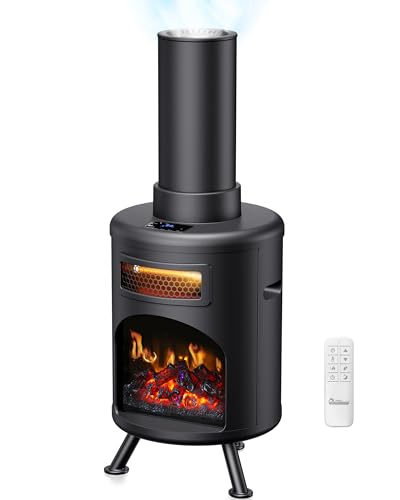
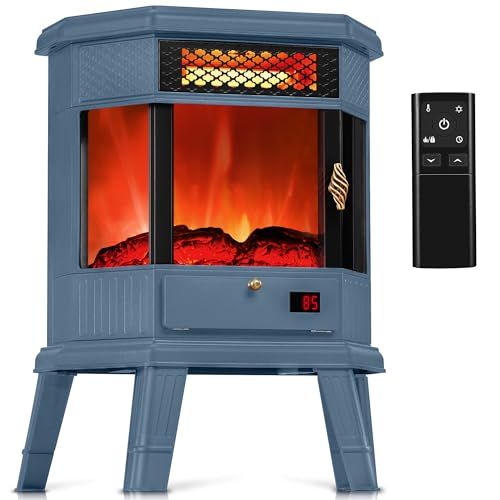
A fireplace heater with remote control is a heating unit that combines the visual appeal of a traditional fireplace with the convenience of modern technology. Unlike decorative fireplaces that provide only ambiance, these units are designed to generate meaningful heat for a room. The remote control allows you to power the unit on or off, adjust the flame intensity, set the thermostat, and sometimes even control the blower — all without leaving your seat.
These heaters are available in several types, including electric, gas, and propane models. Electric versions are especially popular because they require no venting and can be plugged into a standard outlet. If you are exploring the broader category, our guide to electric fireplace heaters provides a solid foundation. For those who prefer a more traditional fuel source, a vented gas fireplace insert with blower and remote control offers realistic flames and powerful heating.
Key Features to Look For in a Remote-Controlled Fireplace Heater
Not all remote-controlled fireplace heaters are created equal. Understanding the features that matter most will help you make an informed decision. Here are the critical elements to evaluate:
- Heating Capacity: Measured in BTUs or square feet of coverage, this determines how much space the unit can effectively warm. For a detailed explanation, see our fireplace heating capacity BTU guide.
- Thermostat Control: A built-in thermostat allows the heater to maintain a consistent temperature. Remote controls often include thermostat adjustment.
- Flame Effects: Look for realistic flame patterns, adjustable brightness, and multiple color options. Some models offer crackling sound effects for added realism.
- Blower Fan: A blower helps distribute heat more evenly across the room. Learn more in our fireplace blower fan guide.
- Safety Features: Auto shut-off, overheat protection, and cool-touch surfaces are essential, especially in homes with children or pets.
- Remote Range and Functions: Check the remote's operating range and whether it controls all functions or just basic power.
For a deeper dive into what makes a quality electric heater, explore our electric fireplace buying guide.
Types of Fireplace Heaters with Remote Control
The type of heater you choose depends on your home's infrastructure, your heating goals, and your aesthetic preferences. Here is a breakdown of the most common options:
Electric Fireplace Heaters
Electric models are the most versatile and easiest to install. They require no chimney, no gas line, and no venting. Simply plug them into a standard household outlet. Many electric fireplace heaters with remote control offer adjustable flame colors, thermostat settings, and timer functions. They are ideal for apartments, bedrooms, and supplemental heating. If you are considering a built-in option, our article on electric fireplace recessed inserts explains the installation process. For a unit that can warm larger spaces, see our recommendations for the best electric fireplace for a large room.
Gas Fireplace Heaters
Gas fireplace heaters offer realistic flames and efficient heating. They can run on natural gas or propane and typically require professional installation and venting. A remote control on a gas unit usually manages the flame height, blower speed, and sometimes the thermostat. For a vented option that includes a blower, consider a direct vent gas fireplace insert with blower. If you already have a wood-burning fireplace, converting it to gas is a popular upgrade; our guide on converting a wood-burning fireplace to gas logs covers the essentials.
Propane Fireplace Heaters
Propane models are similar to natural gas units but operate on a propane tank or line. They are common in rural areas or homes without natural gas access. A ventless propane fireplace insert with blower is a popular choice for its high efficiency and flexible placement. Remote controls on propane heaters often include thermostatic control for consistent warmth.
Benefits of Choosing a Fireplace Heater with Remote Control
Investing in a remote-controlled fireplace heater offers several practical advantages:
- Convenience: Adjust heat and flame settings without getting up. This is especially useful for people with limited mobility or for cozy evenings when you're already settled in.
- Energy Efficiency: Remote controls often include programmable timers and thermostats, allowing you to heat only when needed. This can reduce energy consumption compared to manually operated units. Learn more in our electric fireplace energy saving tips.
- Safety: Being able to turn off the unit from a distance adds a layer of safety, particularly if the heater is in a hard-to-reach spot or if you need to quickly power it down.
- Ambiance Control: Fine-tune flame brightness and color to match your mood or the time of day, all from your couch.
- Integration with Smart Homes: Some advanced models offer Wi-Fi connectivity, allowing you to control the heater via a smartphone app or voice assistant. Our guide to smart Wi-Fi fireplace controllers explains this technology.
How to Choose the Right Fireplace Heater with Remote Control
With so many options on the market, selecting the right unit requires a clear understanding of your needs. Follow these steps to narrow down your choices:
- Determine Your Heating Area: Measure the room where the heater will be placed. Match the square footage to the heater's coverage rating. For a step-by-step method, see how to size a fireplace.
- Choose Your Fuel Type: Decide between electric, gas, or propane based on installation requirements and operating preferences. Our comparison of electric vs gas fireplace running costs can help.
- Consider Installation Constraints: If you live in an apartment or have no venting, an electric model is your best bet. Check our guide on apartment fireplace installation for tips.
- Evaluate Remote Features: Look for a remote that controls all the functions you care about — thermostat, flame, blower, and timer.
- Check Safety Certifications: Ensure the unit is certified by a recognized testing laboratory. Safety should never be compromised.
- Read Reviews and Ratings: Look for models with a proven track record of reliability and customer satisfaction.
Installation and Maintenance Tips
Proper installation and regular maintenance ensure your fireplace heater operates safely and efficiently for years. Electric models are largely plug-and-play, but gas and propane units require professional installation. Always follow the manufacturer's instructions and local building codes. For a general overview, see our fireplace installation guide overview.
Maintenance is straightforward for most remote-controlled heaters. Keep the unit clean, dust the vents, and inspect the remote's batteries. For electric models, our article on cleaning an electric fireplace provides detailed steps. Gas units should be inspected annually by a qualified technician; our gas fireplace inspection guide outlines what to expect.
If you encounter issues with the remote, our guide on electric fireplace remote fixes covers common problems and solutions. For gas models, gas fireplace troubleshooting can help diagnose issues.
Troubleshooting Common Remote Control Issues
Even the most reliable remote controls can occasionally malfunction. Here are common problems and how to address them:
- Remote Not Responding: Check the batteries first. If that doesn't work, try resetting the heater by unplugging it for a few minutes. For electric models, see how to reset an electric fireplace.
- Limited Range: Ensure there are no obstructions between the remote and the heater. Some remotes require a direct line of sight.
- Thermostat Inconsistencies: If the heater isn't maintaining the set temperature, the thermostat may need calibration. Our article on fireplace thermostat issues offers solutions.
- Replacement Remotes: If your remote is lost or damaged, you may need a replacement. See our guide to fireplace remote control replacement and universal remote controls for electric fireplaces.
Safety Considerations for Remote-Controlled Fireplace Heaters
Safety should always be a top priority when using any heating appliance. Remote-controlled units are generally safe, but you should still follow basic precautions:
- Keep flammable materials at a safe distance. Our guide on how close furniture can be to a fireplace provides specific guidelines.
- Never leave a gas or propane heater unattended for extended periods. If you're wondering about overnight use, read our article on leaving a fireplace on overnight.
- Ensure proper ventilation for gas and propane models. See our gas fireplace ventilation requirements.
- Install carbon monoxide detectors if you use a gas or propane heater. Learn the signs of CO exposure in our carbon monoxide signs from fireplace guide.
- For electric models, check our electric fireplace safety tips.
Enhancing Your Fireplace Experience
Once you have your remote-controlled fireplace heater installed, there are many ways to enhance its functionality and aesthetic appeal. Consider adding decorative elements like artificial flower arrangements for fireplaces or upgrading your mantel with fireplace mantels. If you enjoy the crackling sound of a real fire, look for models with built-in sound effects, such as a electric fireplace with crackling sound effects.
For those who want to integrate their heater into a larger entertainment setup, explore options like an entertainment center with fireplace and storage or a TV stand with fireplace and Bluetooth speakers. These multi-functional pieces can become the focal point of your living room.
Frequently Asked Questions
Do electric fireplace heaters with remote control really heat a room?
Yes, many electric fireplace heaters are designed to provide supplemental heat for rooms up to 400 square feet or more. The heating capacity depends on the wattage and BTU output. For more details, see our article on whether electric fireplaces heat a room.
Can I use a remote-controlled fireplace heater in an apartment?
Electric models are ideal for apartments because they require no venting or gas lines. Our guide on apartment fireplace installation covers the specifics.
How do I replace a lost remote control for my fireplace heater?
You can often purchase a replacement remote from the manufacturer or a universal remote designed for electric fireplaces. See our guide to fireplace remote control replacement.
Are gas fireplace heaters with remote control safe?
Yes, when installed and maintained properly. Always follow the manufacturer's instructions and ensure proper ventilation. Our gas fireplace inspection guide provides maintenance tips.
What is the lifespan of a fireplace heater with remote control?
With proper care, a quality fireplace heater can last 10 to 20 years or more. Regular maintenance is key. See our article on fireplace lifespan for more information.
Final Thoughts
A fireplace heater with remote control is a smart investment for any homeowner seeking convenience, efficiency, and ambiance. By understanding the different types, key features, and safety considerations, you can choose a model that perfectly fits your lifestyle. Whether you opt for an electric, gas, or propane unit, the ability to control your comfort from a distance adds a level of luxury that is hard to beat.
Ready to explore specific models? Check out our recommended products below to find the best fireplace heater with remote control for your home.