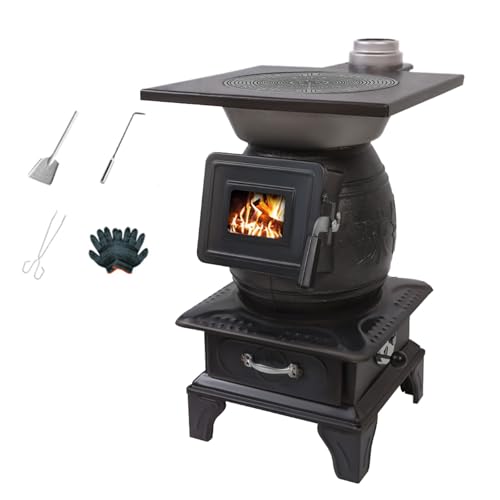
Stand Alone Wood Burning Fireplace Indoor
Discover the ultimate guide to freestanding wood burning fireplaces for your home. Learn about installation, efficiency, sizing, and the best models to create a warm, inviting atmosphere.
View Recommended ModelsWhy Choose a Stand Alone Wood Burning Fireplace? A freestanding wood burning fireplace is more than just a heat source—it's a statement piece that brings rustic charm, independence, and powerful warmth to any indoor space. Unlike traditional built-in units, these versatile stoves can be installed almost anywhere with proper venting, making them ideal for renovations, off-grid living, or simply adding character to a room.
What Is a Stand Alone Wood Burning Fireplace?
A stand alone wood burning fireplace, often called a freestanding wood stove, is a self-contained heating appliance that burns wood to produce heat. Unlike a traditional masonry fireplace that is built into a wall and relies on a chimney, a freestanding unit stands independently and connects to a chimney or stovepipe. This design allows for greater flexibility in placement and often provides superior heating efficiency because the unit radiates heat from all sides.
Modern freestanding wood stoves are engineered with advanced combustion technologies that maximize heat output while minimizing emissions. They are a popular choice for homeowners looking to reduce reliance on central heating, lower energy bills, and create a cozy focal point. If you are exploring different heating options, you might also consider a stand alone wood burning fireplace indoor as a primary or supplemental heat source, or compare it with alternatives like a propane freestanding fireplace for convenience.
Key Benefits of Freestanding Wood Burning Fireplaces
🔥 High Heat Output
Freestanding stoves are incredibly efficient at heating large spaces. Many models can heat 1,000 to 2,500 square feet, making them a viable primary heat source in many homes.
💨 No Electricity Needed
During power outages, a wood burning stove keeps your home warm and functional. This independence is a major advantage for those in rural areas or regions with unreliable grids.
🌳 Renewable Fuel
Wood is a renewable resource, and when sourced sustainably, it can be a carbon-neutral way to heat your home. It also reduces dependence on fossil fuels.
🏡 Aesthetic Appeal
The sight of a crackling fire creates an unmatched ambiance. Freestanding stoves come in a variety of styles, from rustic cast iron to sleek modern steel, suiting any decor.
Types of Stand Alone Wood Burning Fireplaces
Not all freestanding wood stoves are created equal. Understanding the different types will help you choose the right one for your home.
- Radiant Wood Stoves: These are the most basic type, heating primarily through direct radiation. They heat objects and people in their line of sight, creating a strong, localized warmth. They are best for rooms where you spend a lot of time.
- Convection Wood Stoves: These stoves are designed with a double wall. Cool air is drawn in from the bottom, heated between the walls, and then released through vents at the top. This creates a convection current that circulates warm air throughout the room more evenly. They are ideal for larger spaces.
- Catalytic Wood Stoves: These stoves use a catalytic combustor to reburn smoke and gases, resulting in higher efficiency and lower emissions. They require more maintenance but are excellent for those who want the cleanest burn possible.
- Non-Catalytic Wood Stoves: These use a secondary combustion system to burn off excess gases. They are generally easier to operate and maintain than catalytic models but may have slightly lower efficiency.
When considering a new fireplace, it's helpful to review the different types of fireplaces to understand how wood stoves fit into the broader market. For those who want the look of a wood stove but without the mess, an electric fireplace that looks like a wood burning stove is a great alternative.
How to Choose the Right Size for Your Space
Choosing the correct size is critical for both efficiency and comfort. A stove that is too small won't heat your space adequately, while one that is too large will cause you to run it at low, inefficient temperatures, leading to creosote buildup and excessive smoke.
The primary factor is the BTU (British Thermal Unit) output required to heat your room. A general rule of thumb is that a wood stove needs about 25-30 BTUs per square foot of space in an average climate. However, this can vary based on insulation, ceiling height, and window quality. For a more precise calculation, you can use our fireplace heating capacity BTU guide. If you live in a smaller home or apartment, you may want to look into small wood burning fireplaces for small spaces.
Other sizing considerations include:
- Firebox Size: A larger firebox allows for longer burn times and less frequent loading, but it also requires more wood.
- Log Length: Ensure the stove can accommodate the length of wood you plan to burn (common sizes are 16", 18", or 20").
- Clearance: Freestanding stoves require specific clearances from combustible walls and floors. Always check the manufacturer's specifications and local building codes.
For a comprehensive guide on sizing, see our article on how to size a fireplace.
Pros and Cons of Stand Alone Wood Burning Fireplaces
✅ Pros
- High heating efficiency and powerful output
- Operates independently of electricity
- Uses renewable, often cost-effective fuel
- Creates a cozy, rustic ambiance
- Can be installed in various locations with proper venting
- Increases home value and appeal
❌ Cons
- Requires regular maintenance and cleaning
- Needs a supply of dry, seasoned firewood
- Produces ash and some indoor air pollution
- Installation can be complex and requires permits
- Can be messy to load and clean
- Requires a safe clearance zone
Weighing these factors is crucial. For a broader perspective, you can compare the pros and cons of each fireplace type to see how wood stoves compare to gas and electric options.
Installation and Venting Requirements
Proper installation is non-negotiable for safety and performance. A stand alone wood burning fireplace requires a chimney or a venting system that safely exhausts smoke and gases outside your home. The most common options are:
- Through-the-Roof: The stovepipe goes straight up through the ceiling and roof. This is the most efficient method as it provides the best draft.
- Through-the-Wall: The pipe exits through a side wall and then goes up. This is often used when a ceiling exit is not feasible.
- Existing Chimney: The stove can be connected to an existing masonry chimney, but a stainless steel liner is usually required to ensure safety and efficiency. You can learn more about this with our guide on stainless steel chimney liner for wood burning fireplace.
Clearances are also critical. You must maintain a safe distance between the stove and any combustible materials like walls, floors, and furniture. This is typically specified in the owner's manual. For a detailed overview, refer to our fireplace installation guide overview. It is highly recommended to hire a professional for installation, especially if you are not experienced with wood stoves. You can also read about DIY vs professional fireplace installation to decide what's best for you.
Essential Maintenance Tips
To keep your freestanding wood stove operating safely and efficiently, regular maintenance is key. Here is a quick checklist:
- Daily: Remove ashes when the stove is cool. Check for any signs of creosote buildup in the pipe.
- Monthly: Inspect the door gasket for wear and tear. Check the firebricks for cracks.
- Annually: Have a professional chimney sweep clean and inspect the entire system. This is crucial for preventing chimney fires. Our chimney cleaning guide provides more details.
- Seasonally: Before the heating season, perform a thorough inspection. See our fall fireplace inspection checklist.
For a complete maintenance schedule, refer to our fireplace maintenance schedule. Proper care will extend the life of your stove and ensure it runs safely for years. If you ever encounter issues like smoke coming into the room, our fireplace troubleshooting section can help.
How It Compares to Other Indoor Fireplaces
While stand alone wood burning fireplaces are excellent, they aren't the only option. Here's a quick comparison:
| Feature | Wood Burning Stove | Gas Fireplace | Electric Fireplace |
|---|---|---|---|
| Heating Efficiency | High (70-80%+) | High (75-90%) | Low to Moderate (100% efficient at point of use, but costly) |
| Installation Complexity | High (requires venting) | Moderate to High (requires gas line & venting) | Low (plug-in or hardwired) |
| Fuel Source | Wood (renewable) | Natural Gas or Propane (fossil fuel) | Electricity |
| Ambiance | Authentic, crackling fire | Realistic flame, often with embers | LED flame, can be realistic but not real |
| Maintenance | High (ash, creosote, chimney) | Moderate (annual inspection) | Low (dusting) |
For a deeper dive, compare electric vs gas vs wood fireplaces. If you are considering a transition, you might want to read about replacing a wood burning fireplace with gas or converting a wood burning fireplace to electric.
Safety Considerations
Wood burning stoves are safe when installed and operated correctly. However, there are inherent risks you must manage:
- Carbon Monoxide: Ensure your stove is properly vented and install a carbon monoxide detector. Learn about the signs of carbon monoxide from fireplace.
- Creosote: This highly flammable byproduct of burning wood can build up in your chimney. Regular cleaning is essential. Read our creosote buildup prevention guide.
- Clearances: Always maintain the required distance between your stove and combustible materials. Our article on how close furniture can be to a fireplace provides general guidelines.
- Fire Extinguisher: Keep a fire extinguisher nearby and know how to use it.
For more safety tips, see our fireplace ember safety article. You should also check if you need a permit for a fireplace in your area.
Frequently Asked Questions
Can a stand alone wood burning fireplace heat an entire house?
Yes, a properly sized wood stove can heat an entire house, especially in open-concept layouts. However, heat distribution to closed-off rooms may require fans or a central heating system. Read our article can a fireplace heat an entire house for more details.
Do I need a chimney for a freestanding wood stove?
Yes, all wood burning appliances require a venting system to exhaust smoke and gases. This can be a traditional masonry chimney or a prefabricated metal chimney. See our guide on do fireplaces need a chimney.
How often should I clean my wood stove chimney?
The National Fire Protection Association (NFPA) recommends that chimneys, fireplaces, and vents be inspected at least once a year. Cleaning frequency depends on usage; if you burn wood frequently, you may need to clean it more often. Our chimney cleaning guide covers this in detail.
What is the most efficient type of wood to burn?
Hardwoods like oak, maple, and ash are denser and burn longer, providing more heat per cord than softwoods like pine or fir. Regardless of type, wood must be seasoned (dried) for at least 6-12 months to burn efficiently.
Can I install a wood stove myself?
While it is possible, it is a complex and risky task. It is strongly recommended to hire a certified professional to ensure the installation meets all safety codes and manufacturer specifications. Learn more in our DIY fireplace feasibility article.
For more questions, visit our main Fireplace FAQ section.
Final Thoughts
A stand alone wood burning fireplace is a powerful, beautiful, and practical addition to any home. It offers independence, high heat output, and an unmatched cozy atmosphere. By carefully considering the type, size, installation requirements, and maintenance needs, you can enjoy the benefits of a wood stove for years to come. Whether you are looking to reduce your energy bills, prepare for emergencies, or simply create a stunning focal point, a freestanding wood stove is a choice you won't regret.
Ready to explore models? Check out our recommended products below to find the perfect fit for your home.