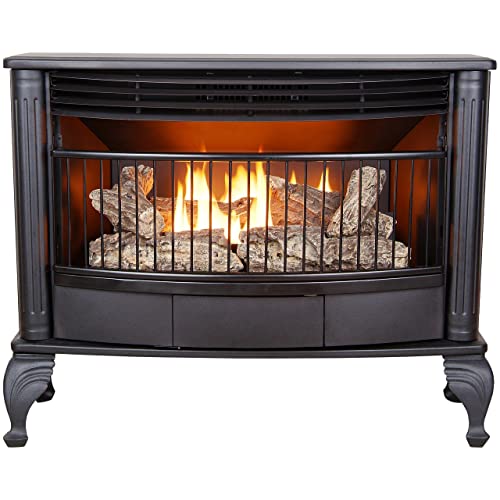
Propane Freestanding Fireplaces for Homes
Your complete guide to understanding, choosing, and installing a freestanding propane fireplace that delivers reliable warmth and timeless style.
Why Consider Propane Freestanding Fireplaces? For homeowners seeking a balance between the authentic look of a real fire and the convenience of modern fuel, a freestanding propane fireplace is a compelling choice. It offers the warmth and ambiance of a traditional hearth without the need for a masonry chimney, making it suitable for a wide range of homes, including those without existing fireplace structures. This guide will walk you through everything you need to know, from understanding how they work to selecting the perfect model for your space.
What Exactly Is a Propane Freestanding Fireplace?
A propane freestanding fireplace is a self-contained heating appliance that burns propane gas (LPG) to produce a real flame. Unlike built-in units that require extensive construction, a freestanding model is a complete unit that stands independently. This design offers significant flexibility, allowing you to place it in various rooms without major renovation. Many models are designed to mimic the look of a traditional wood stove, complete with a stovepipe, while others feature more contemporary, linear designs. This makes them a versatile option, whether you're looking to add a focal point to a living room or a cozy touch to a bedroom.
How Do Propane Freestanding Fireplaces Work?
These fireplaces operate by connecting to a propane tank, which can be either a large external tank or a smaller, refillable cylinder hidden in a cabinet base. When you turn on the unit, a pilot light or electronic ignition system ignites the propane, creating a controlled flame. The heat is then radiated into the room, and in many models, a blower fan helps circulate the warm air more efficiently. Understanding the mechanics is key to appreciating their efficiency and safety features.
Key Benefits of Choosing Propane Freestanding Fireplaces
High Efficiency & Zone Heating
Propane fireplaces are highly efficient, often converting a significant percentage of fuel into usable heat. They are perfect for zone heating, allowing you to warm only the rooms you are using and potentially lowering your overall energy consumption. This can be a smart energy-saving tip for many households.
Installation Flexibility
Because they are freestanding, these units offer incredible placement flexibility. You are not confined to an existing fireplace footprint. Whether you need a fireplace for small spaces or a statement piece for a large open-concept area, a freestanding model can often fit the bill.
Reliable Off-Grid Heating
If you live in an area prone to power outages, a propane freestanding fireplace can be a lifeline. Many models do not require electricity to operate, providing dependable heat even when the grid is down. This makes them an excellent choice for emergency preparedness.
Authentic Ambiance
For many, the primary appeal is the genuine, dancing flame. Unlike electric models that simulate fire, a propane fireplace produces a real flame, complete with the subtle sounds and radiant warmth that create a truly inviting atmosphere.
Vented vs. Ventless: Which Propane Fireplace Is Right for You?
This is a critical decision. The choice between a vented and ventless model impacts installation requirements, indoor air quality, and heating efficiency. You might also see this discussed in our general guide on whether you need a chimney or vent. Here is a direct comparison:
| Feature | Vented (Direct-Vent or B-Vent) | Ventless (Vent-Free) |
|---|---|---|
| Installation | Requires a horizontal or vertical vent pipe to the outside. More complex installation. | No venting required, offering maximum placement flexibility. |
| Air Quality | All combustion byproducts are safely expelled outdoors. | Releases trace amounts of combustion byproducts into the room. Must be sized correctly for the space. |
| Efficiency | Slightly less efficient as some heat escapes through the vent. | Nearly 100% efficient, as all heat is radiated into the room. |
| Best For | Homes where air quality is a top concern, or for primary heating sources. | Well-ventilated spaces, supplemental zone heating, and apartments or homes where venting is impossible. |
Placement and Sizing: Getting It Right
Correct sizing is crucial for both comfort and safety. A unit that is too small won't heat the room effectively, while one that is too large can be uncomfortable and, in the case of ventless models, potentially pose a health risk. You can learn more about this in our detailed BTU guide. For a rough estimate, use our how-to-size guide.
When it comes to placement, consider the layout of your room. A freestanding unit can be a great solution for a corner, or as a focal point on a main wall. Always maintain the clearances specified by the manufacturer to ensure safety. This is a key part of fireplace ventilation requirements.
Essential Accessories and Maintenance
To get the most out of your propane freestanding fireplace, consider adding a few accessories. A fireplace thermostat can help you maintain a consistent temperature, while a remote control adds convenience. If you enjoy the look of a real fire but want to change things up, you can explore different propane fireplace logs.
Regular maintenance is key to safety and longevity. This includes an annual fireplace inspection and cleaning. For specific instructions, refer to our gas fireplace maintenance guide. Knowing how to troubleshoot common issues, like when your gas fireplace won't light, can also save you time and hassle.
Is a Freestanding Propane Fireplace a Good Fit for Your Home?
If you value the authentic look of a real flame, desire a reliable heat source that works during power outages, and need the flexibility of a non-built-in solution, a propane freestanding fireplace is an excellent choice. It combines the charm of a traditional stove with the modern convenience of clean-burning propane. For those considering different options, you might also want to compare this with a built-in vs freestanding fireplace or explore other types of fireplaces to ensure you make the most informed decision.
Ready to Find Your Perfect Propane Freestanding Fireplace?
Browse our curated selection of top-rated models below to bring warmth and charm to your home.
View Recommended ModelsFrequently Asked Questions
Can I install a propane freestanding fireplace myself?
While some homeowners may be able to handle the physical placement, connecting a propane appliance and ensuring proper ventilation is a job best left to a licensed professional. This ensures safety and compliance with local codes. You can learn more in our gas fireplace installation requirements guide.
Do I need a chimney for a ventless propane fireplace?
No, ventless models do not require a chimney or any external venting. This is a major advantage for apartments or homes without existing flues.
How long does a propane tank last?
The lifespan of a propane tank depends on the size of the tank and the burn rate of your fireplace. A standard 20-pound cylinder might last anywhere from several hours to a few days, while a larger external tank can last for weeks or even months.