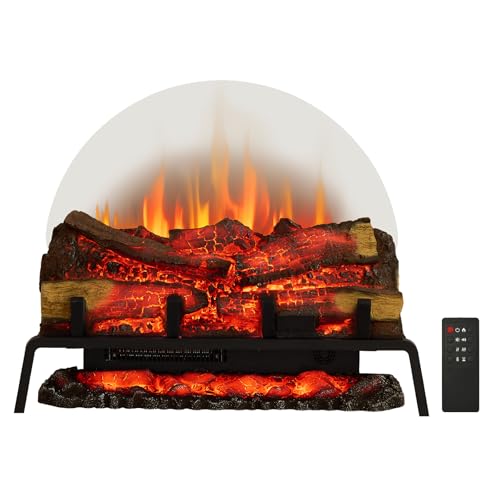
Replacing Wood Fireplace with Electric Insert
A complete guide to converting your old wood-burning fireplace into a clean, efficient, and low-maintenance electric insert system
START LEARNINGWhy This Guide Matters: If you are tired of chopping wood, sweeping ashes, and dealing with chimney maintenance, replacing your wood fireplace with an electric insert is one of the smartest upgrades you can make. This guide walks you through every step, from planning to installation, so you can make a confident decision.
Why Replace a Wood Fireplace with an Electric Insert?
Wood-burning fireplaces have a timeless charm, but they come with significant drawbacks: constant cleaning, chimney inspections, smoke issues, and inefficient heating. An electric fireplace insert solves these problems by offering a clean, ventless, and highly controllable alternative. You keep the ambiance of a real fire without the mess, the smell, or the safety risks associated with open flames and creosote buildup.
Homeowners who make the switch often cite three main reasons: convenience, lower maintenance, and improved energy efficiency. Unlike wood, which requires storage, seasoning, and regular replenishment, an electric insert simply plugs in or hardwires to your home's electrical system. If you are still evaluating whether electric is right for your home, the electric vs gas vs wood comparison provides a detailed side-by-side breakdown.
Another major advantage is safety. Wood fireplaces produce carbon monoxide, require proper drafting, and pose fire hazards if not maintained. Electric inserts produce zero emissions and carry a much lower risk profile. For households with children or pets, this peace of mind is invaluable. You can also learn more about whether electric fireplaces produce carbon monoxide to fully understand the safety differences.
✅ Pros of Switching
- No chimney or venting required
- Zero ash, soot, or creosote
- Instant on/off with remote control
- Consistent, thermostat-controlled heat
- Lower long-term maintenance costs
- Safe for apartments and condos
❌ Cons to Consider
- Requires access to a power source
- Less radiant heat than a real wood fire
- Flame realism varies by model
- Higher-end units can be a significant investment
- May need minor carpentry for a perfect fit
Cost and Efficiency: What to Expect
One of the first questions homeowners ask is about cost. While we avoid quoting specific figures (since prices vary by region and over time), we can say that the overall investment for replacing a wood fireplace with an electric insert typically falls into three tiers: budget-friendly, mid-range, and premium. Entry-level inserts are straightforward units with basic flame effects and manual controls. Mid-range models add thermostats, remote controls, and more realistic flame patterns. Premium and luxury inserts offer advanced features like crackling sound, multi-color flames, and smart home integration.
From an efficiency standpoint, electric inserts are far more predictable than wood. A wood fireplace sends up to 90% of its heat up the chimney in many cases. An electric insert converts nearly all consumed electricity into heat, and models with thermostats and blowers distribute that heat evenly across a room. To understand how much power you need, the BTU and heating capacity guide is an excellent resource. For those worried about electricity usage, the article on fireplace electricity usage explains exactly what to expect on your utility bill.
It is also worth noting that replacing a wood fireplace can reduce other household costs. You no longer need to pay for chimney sweeps, chimney inspections, or wood delivery. Over several seasons, these savings can offset a meaningful portion of the initial insert investment.
Wood Fireplace vs Electric Insert: Side-by-Side
| Feature | Wood Fireplace | Electric Insert |
|---|---|---|
| Venting Required | Yes (chimney) | No |
| Maintenance | High (ash, creosote, sweeping) | Minimal (dusting, occasional inspection) |
| Heating Efficiency | Low to Moderate | High (nearly 100% conversion) |
| Installation Complexity | High (masonry, chimney) | Low to Moderate (plug-in or hardwire) |
| Safety Risks | Smoke, embers, CO, creosote | Very low (no combustion) |
| Control | Manual (damper, fuel) | Remote, thermostat, app |
| Ambiance | Authentic but variable | Realistic LED or vapor flames |
Step-by-Step Installation Overview
One of the biggest advantages of an electric insert is that installation is far simpler than installing a gas or wood unit. In many cases, you can complete the project in a single day. Here is a general outline of the process:
- Measure Your Existing Fireplace Opening: Record the width, height, and depth of your firebox. You will need an insert that fits comfortably with a small clearance gap. If you are unsure about sizing, the fireplace sizing guide provides formulas and examples.
- Choose Your Electric Insert: Select a model based on heating capacity, flame realism, and features. For a detailed look at realistic options, see the guide to the most realistic electric fireplace inserts.
- Prepare the Firebox: Clean the firebox thoroughly. Remove the grate, andirons, and any leftover ash. If the fireplace has a gas line or other connections, have them professionally capped or removed.
- Plan the Power Source: Decide whether you will plug the insert into a nearby outlet or hardwire it. Many inserts come with a standard plug, but hardwiring offers a cleaner look. If you are unsure about electrical work, consult a licensed electrician. For plug-and-play options, the electric fireplace installation guide is a helpful reference.
- Install the Insert: Slide the unit into the firebox. Most inserts include mounting brackets or trim kits to secure them. If the opening is larger than the insert, you may need a surround kit or custom frame. The guide to installing an electric insert into an existing fireplace covers this in more detail.
- Connect and Test: Plug in or connect the wiring, then test the flame, heat, and remote functions. Make sure the unit is level and that the trim sits flush against the wall or hearth.
- Finish and Enjoy: Add optional accessories like a new mantel or decorative screen to complete the look. You can also explore DIY surround ideas if you want to refresh the entire wall.
How to Choose the Right Electric Insert
Not all electric inserts are created equal. The right choice depends on your room size, heating needs, and aesthetic preferences. Start by determining how much space you need to heat. A small insert may be sufficient for a bedroom or den, while a larger living room may require a unit with higher heat output. The article on electric fireplaces that heat up to 1000 square feet is a good starting point for understanding capacity.
Flame realism is another key factor. Modern inserts use LED technology, water vapor, or a combination of both to create convincing flames. Some models even include crackling sound effects for added authenticity. If realism is your top priority, look for units with adjustable flame speed, brightness, and color. You can also explore remote-controlled inserts for convenience.
Finally, consider the trim and surround. Your insert should blend seamlessly with your existing fireplace and room decor. Many manufacturers offer black, stainless steel, and custom-painted trims. If you want a complete transformation, you might pair your insert with built-in shelving or a media wall.
Maintenance After the Switch
One of the best parts of switching to electric is how little maintenance is required. Unlike wood fireplaces, there is no ash to remove, no chimney to sweep, and no creosote to worry about. However, a few simple habits will keep your insert running smoothly for years:
- Dust the glass and trim regularly with a soft cloth.
- Vacuum the air intake and blower vents every few months.
- Inspect the power cord and plug for wear.
- Test the remote and thermostat functions at the start of each season.
- Follow the manufacturer's recommendations for annual inspections.
For a deeper dive into caring for your new unit, see the electric fireplace maintenance guide. If you ever notice issues like unusual noises or reduced heat, the troubleshooting hub can help you diagnose common problems.
Frequently Asked Questions
Can I install an electric insert myself?
Yes, in many cases. Most electric inserts are designed for DIY installation because they do not require venting or gas lines. However, if you need to hardwire the unit or modify the firebox, hiring a professional is recommended. See the DIY vs professional installation guide for guidance.
Do electric inserts need a chimney?
No. Electric inserts are ventless and do not require a chimney. This is one of the main reasons homeowners choose them for conversions. For more details, read do fireplaces need a chimney.
Will an electric insert heat my whole room?
It depends on the size and insulation of your room. Many mid-range and premium inserts are designed to heat spaces up to 400–1000 square feet. Check the BTU guide to match the insert to your room.
How much does it cost to run an electric insert?
Running costs depend on your local electricity rates and how often you use the heater. For a detailed breakdown, see how much it costs to run a fireplace daily and are electric fireplaces expensive to run.
Can I keep my existing mantel and surround?
Usually, yes. If the insert fits within your existing firebox opening, you can often keep the mantel and surround. In some cases, you may need a trim kit to cover gaps. Explore mantel ideas if you want to upgrade while you are at it.
Is it safe to leave an electric insert on overnight?
Most modern electric inserts are designed with safety features like automatic shutoff and cool-touch exteriors. However, always follow the manufacturer's instructions. For more information, read can you leave a fireplace on overnight.
Final Thoughts
Replacing a wood fireplace with an electric insert is a practical, modern upgrade that saves time, reduces maintenance, and often improves heating efficiency. Whether you are motivated by convenience, safety, or design, the switch is more straightforward than many homeowners expect. By following the steps outlined in this guide and choosing a model that matches your space and style, you can enjoy the warmth and ambiance of a fireplace without the hassle of wood.
If you are ready to explore specific products, the recommended section below features a curated selection of electric inserts suitable for replacing a wood fireplace. You can also revisit the fireplace buying guide for a broader overview of what to look for.