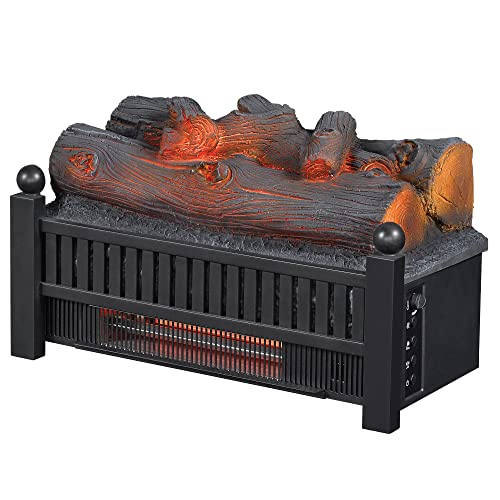
Installing an Electric Fireplace Insert Into an Existing Fireplace
Transform your old, unused fireplace into a modern, efficient heating source with an electric insert. This comprehensive guide walks you through every step of the process.
If you have an existing wood-burning fireplace that is no longer used or is more trouble than it's worth, installing an electric fireplace insert is a smart, modern solution. This approach allows you to retain the architectural charm of your original fireplace while gaining the convenience, safety, and efficiency of an electric heater. Unlike gas or wood inserts, an electric fireplace insert requires no venting, no gas lines, and no complex masonry work. It is one of the most DIY-friendly home improvement projects, but it still requires careful planning and precise execution.
This guide will walk you through the entire process, from understanding your existing fireplace and choosing the right insert to the final safety checks. By the end, you will have the knowledge to confidently install an electric insert and enjoy the ambiance and warmth it provides. For a broader overview of installation principles, refer to our fireplace installation guide.
Why Choose an Electric Insert for Your Existing Fireplace?
Before you begin, it's helpful to understand the advantages. Converting an existing fireplace with an electric insert offers several key benefits that make it an attractive option for many homeowners.
- No Venting or Chimney Required: This is the biggest advantage. An electric insert does not produce smoke, carbon monoxide, or other byproducts, so it does not need a flue or chimney. This simplifies installation and eliminates the need for chimney cleaning or repairs.
- High Efficiency: Electric inserts are nearly 100% efficient at converting electricity into heat, meaning almost all the energy used is turned into warmth for your room, unlike traditional fireplaces that lose most of their heat up the chimney. You can learn more about this in our guide to energy-efficient fireplace types.
- Easy Installation: Most electric inserts are plug-and-play, requiring only a standard household outlet. This makes it a feasible DIY fireplace project for many homeowners.
- Safety: With no open flame, no gas, and no creosote buildup, electric inserts are inherently safer. They also produce no carbon monoxide, making them a safe choice for any room. For more safety information, see our article on electric fireplaces and carbon monoxide.
- Versatility: You can enjoy the flame effect with or without heat, making it usable year-round. Many models also offer realistic flame effects and crackling sound for added ambiance.
Preparation and Planning: The Key to Success
Proper preparation is critical for a smooth installation. Before you purchase an insert, you must carefully assess your existing fireplace and plan for power.
1. Measure Your Existing Fireplace Opening
This is the most important step. You need to find an insert that will fit inside your fireplace's opening and cavity. Using a tape measure, record the following dimensions in inches:
- Front Opening Width: Measure the width of the fireplace opening at the front.
- Front Opening Height: Measure the height of the opening from the hearth to the top of the opening.
- Rear Width: Measure the width at the back of the firebox.
- Depth: Measure the depth from the front opening to the back wall of the firebox.
You will need an insert that is slightly smaller than these dimensions to allow for easy sliding and any necessary framing. Always check the manufacturer's specifications for the required clearances. For more detailed sizing advice, see our fireplace sizing guide.
2. Assess Your Fireplace's Condition
While electric inserts don't use the chimney, the existing firebox must be structurally sound. Check for loose bricks, crumbling mortar, or damaged refractory panels. If the fireplace is in poor condition, you may need to make repairs before installation. If you are replacing a wood-burning unit, you may need to remove the existing damper or any fireplace doors to create enough space.
3. Plan for Power
Determine how you will supply electricity to the insert. Ideally, there should be an existing grounded outlet near the fireplace. If not, you may need to install one or use a high-quality extension cord. However, for a clean, permanent installation, hiring an electrician to install a new outlet inside or near the firebox is recommended. This is especially important if you plan to use the heater frequently. For more on electrical needs, see our article on fireplace electricity usage.
Step-by-Step Installation Guide
Once you have your insert and have prepared the space, you can begin the installation. Always follow the manufacturer's specific instructions, as they may vary by model.
- Turn Off Power: If you are installing a new outlet, turn off the power to the circuit at your breaker box. If using an existing outlet, unplug anything connected to it.
- Prepare the Firebox: Clean out any ash, debris, or soot from the firebox. If there is a gas line or log set, it must be professionally capped and disconnected. If there is a damper, it should be removed or permanently fixed in the open position to allow for proper airflow, as many electric inserts require ventilation to prevent overheating.
- Install or Locate the Outlet: If you are running a new outlet, this is the time to do it. A common approach is to run a new circuit to a junction box inside the firebox or just beside it. Ensure the outlet is grounded and meets all local electrical codes. If you're unsure, consult a licensed electrician.
- Slide the Insert into Place: With the help of a friend, carefully slide the electric insert into the firebox. It should fit snugly but not be forced. Make sure it is level. Some inserts come with leveling legs or shims.
- Secure the Insert (Optional): Depending on the model, you may be able to secure the insert to the fireplace opening using screws or brackets. This is often recommended for safety and to prevent tipping.
- Connect the Power: Plug the insert into the dedicated outlet. If you are using a hardwired connection, this must be done by a qualified electrician.
- Attach the Trim or Surround: Most electric inserts come with a trim kit or a surround that covers the gap between the insert and the fireplace opening. Attach this according to the manufacturer's instructions. This is a key step for a finished, professional look. You may need to use a DIY fireplace surround if one is not included.
- Test the Unit: Before finalizing everything, turn on the insert to test the flame effect and heater. Ensure all functions work correctly.
Safety and Final Checks
Safety should always be your top priority. After installation, perform these final checks:
- Clearance: Ensure there is adequate clearance around the insert, especially near combustible materials like a wooden mantel or furniture. Always follow the manufacturer's clearance requirements. Our guide on furniture distance from a fireplace provides general guidelines.
- Ventilation: Do not block any vents on the insert. Proper airflow is essential for the unit to function correctly and safely.
- Stability: Make sure the insert is stable and will not tip forward.
- Electrical Safety: Check that all electrical connections are secure and that the outlet is not overloaded. If you are using an extension cord, ensure it is rated for the amperage of the insert.
- Regular Maintenance: While electric inserts are low-maintenance, you should periodically clean the glass and vents. See our guide on cleaning an electric fireplace for tips.
Alternatives and Other Considerations
While an electric insert is a great choice, it's not the only option. Understanding the alternatives can help you make the most informed decision.
- Gas Inserts: If you have a gas line available, a gas fireplace insert installation is another option. Gas inserts offer a real flame and high heat output, but they require venting and professional installation. The cost of converting a wood-burning fireplace to gas can be higher than going electric.
- Wood Inserts: For those who love the tradition of a real wood fire, a wood-burning fireplace insert is a possibility. These are highly efficient but require a chimney liner and regular maintenance, such as chimney sweeps and inspections.
The decision ultimately depends on your priorities: convenience and ease of installation (electric), realistic flame and high heat (gas), or traditional ambiance (wood). For many, the simplicity and safety of an electric insert make it the ideal choice for reviving an old fireplace. If you're still exploring, our article on which fireplace is right for your home can provide further guidance.