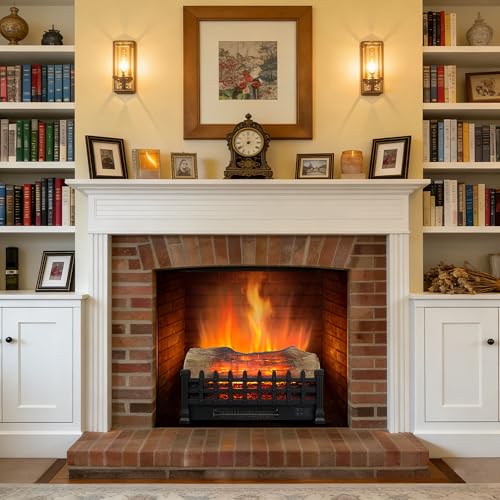
Replacing a Wood Burning Fireplace with Electric: A Complete Guide
Are you tired of the mess, maintenance, and inefficiency of your old wood burning fireplace? Discover how replacing it with an electric insert can transform your space with clean, convenient, and cost-effective warmth.
The traditional wood burning fireplace, once the heart of the home, often becomes a source of frustration. The constant need for wood, the ash and soot, the chimney maintenance, and the poor heating efficiency can make it more of a liability than an asset. For many homeowners, replacing a wood burning fireplace with electric is the ultimate solution. This comprehensive guide will walk you through every aspect of the conversion, from understanding the benefits and costs to selecting the right electric insert and installing it safely.
Why You Should Consider Converting to Electric
Making the switch from wood to electric is more than just a change in fuel source; it's a lifestyle upgrade. Here are the primary reasons why homeowners are making the transition. For a broader comparison, see our guide on Electric vs Gas vs Wood Fireplace Comparison.
- Zero Maintenance: Say goodbye to chimney sweeping, ash removal, and creosote buildup. An electric insert requires no venting and very little upkeep. Learn more in our electric fireplace maintenance guide.
- Exceptional Efficiency: Traditional wood fireplaces are notoriously inefficient, with most heat escaping up the chimney. Electric inserts are nearly 100% efficient, converting almost all energy into heat for your room. Check out our article on the most energy-efficient fireplace types.
- Clean and Safe: No smoke, no ash, no sparks. Electric fireplaces are a clean and safe option for indoor use, producing no carbon monoxide. Learn about electric fireplaces and carbon monoxide.
- Ease of Installation: Many electric inserts are designed for easy DIY installation, often just requiring a standard outlet. See our guide on plug-and-play electric fireplace installation.
- Modern Aesthetics: Today's electric inserts feature incredibly realistic flame effects, including crackling sounds and ember beds. Explore our pick for the most realistic electric fireplace with crackling sound.
- Controlled Heating: With adjustable thermostats and remote controls, you can easily manage the heat output and flame intensity to suit your comfort. Compare this to the cost of converting a wood fireplace to electric.
Understanding the Cost of Conversion
The financial aspect of converting a wood fireplace to electric is a major consideration. The total cost can be broken down into the electric insert itself and potential installation expenses. Descriptors like entry-level, mid-range, and premium are used to classify products without quoting specific prices.
The cost of the electric insert is the primary variable. An entry-level model is a budget-friendly choice for those focused on ambiance over powerful heating. A mid-range unit typically offers more realistic flames, better heating capacity, and features like remote controls. A premium or luxury insert will provide the most authentic flame experience, superior build quality, and advanced features like smart home integration. For a full breakdown, read our fireplace cost breakdown.
Installation costs can vary. If you are handy, a DIY installation of a plug-in electric insert can be virtually free. However, if you need to run a new electrical circuit or modify the fireplace opening, you should consult a professional. The cost of converting a wood burning fireplace to electric is often far less than converting to gas, as it eliminates the need for gas lines and venting.
Choosing the Right Electric Insert for Your Existing Fireplace
Not all electric inserts are created equal, and not all will fit your existing fireplace. Here’s what to look for:
1. Size and Fit
Measure your fireplace opening's width, height, and depth. Most electric inserts are designed to fit into standard openings, but you need to ensure a proper fit. For a seamless look, consider an electric fireplace to fit in existing fireplace. If you have a very large opening, a 60-inch ultra-thin electric fireplace insert might be a great option.
2. Heating Capacity
Consider the size of the room you want to heat. Electric inserts are measured in BTUs (British Thermal Units). Our guide on heating capacity explained (BTU guide) can help you determine your needs. Many units are designed to heat up to 400 square feet, but you can find electric fireplace heaters for large rooms.
3. Flame Realism and Features
The quality of the flame effect is crucial for aesthetics. Look for models with LED technology, adjustable flame colors, and ember beds. For the best experience, check out our list of the most realistic-looking electric fireplace inserts. Features like crackling sound, remote controls, and thermostats add convenience. You can find electric fireplace inserts with remote control easily.
4. Installation Type
Most electric inserts are plug-in, but some can be hardwired. A plug-in unit is ideal for DIY installation. For a cleaner look, a hardwired or built-in unit might be preferable. If you're planning a larger renovation, explore ideas for an entertainment center with an electric fireplace insert.
The Installation Process: A Step-by-Step Overview
Replacing a wood burning fireplace with an electric insert is a manageable project. Here is a general outline of the steps involved:
- Preparation and Safety: Ensure the old fireplace is completely cool. If it's a gas-assisted wood fireplace, have a professional cap the gas line. Remove the old grate, log holder, and any debris.
- Inspect and Clean: Clean the firebox thoroughly. This is a good time to do a DIY fireplace inspection to check for any structural issues. You may need to remove or seal the damper to prevent drafts. A fireplace inflatable draft stopper can also be a temporary solution.
- Plan for Power: Determine how you will power the unit. If you don't have an outlet nearby, you may need to install one or run an extension cord (though not ideal for a permanent solution). For a clean look, you might consider installing a fireplace wall switch & timer.
- Frame if Necessary: Some inserts are freestanding, but most are designed to be built-in. You may need to build a simple frame to secure the insert and create a finished look. This is similar to a DIY fireplace frame project.
- Install the Insert: Slide the electric insert into the prepared opening. Follow the manufacturer's instructions for securing it in place. For a detailed guide, see our article on installing an electric fireplace into an existing fireplace.
- Finishing Touches: You can enhance the look with a new mantel or surround. Consider a DIY fireplace surround for an electric fireplace. Add a screen for safety and aesthetics, such as one of our recommended fireplace screens.
Maintenance and Safety After the Switch
One of the biggest advantages of an electric insert is the minimal maintenance. However, a few simple tasks will keep it running smoothly. For a complete checklist, see our seasonal maintenance checklist.
- Cleaning: Dust the unit and clean the glass front with a soft cloth. Our guide on how to clean fireplace glass provides detailed instructions. For more, see cleaning an electric fireplace.
- Inspection: Periodically check the power cord for damage and ensure the vents are not blocked. A simple electric fireplace inspection can be done annually.
- Safety: Always follow the manufacturer's instructions. Keep flammable materials at a safe distance. Our article on how close furniture can be to a fireplace is a helpful resource. Never leave a fireplace on overnight without checking our guide on leaving a fireplace on overnight.
If you ever encounter issues, such as the unit not heating or a remote not working, our fireplace troubleshooting section can help. Specific fixes for electric fireplace not heating and remote control issues are available.
Common Questions About Replacing a Wood Fireplace
Do I need a chimney for an electric fireplace?
No, you do not need a chimney. This is one of the main benefits. Electric fireplaces are ventless. If you're curious about other types, see our guide on whether all fireplaces need a chimney.
How much electricity does an electric fireplace use?
It depends on the wattage and usage. Most models use between 750W and 1500W. For a detailed breakdown, read our article on fireplace electricity usage and are electric fireplaces expensive to run.
Can I put a TV above an electric fireplace?
Yes, generally it is safer to put a TV above an electric fireplace than a wood or gas one, as they don't produce the same level of heat or fumes. However, you should still check the manufacturer's guidelines and our article on TV above fireplace safety.
What is the lifespan of an electric fireplace?
With proper care, an electric fireplace can last for many years. Learn more about the lifespan of a fireplace in our detailed guide.