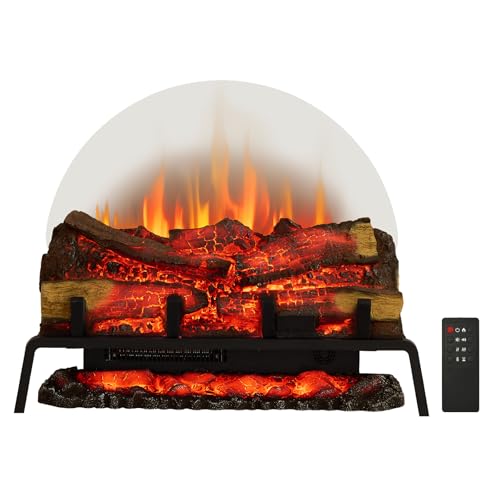
Cost of Converting a Wood Burning Fireplace to Electric
Thinking about swapping your wood-burning fireplace for a clean, convenient electric model? You are in the right place. This guide breaks down the real costs, from the unit itself to installation and potential hidden fees, so you can make a confident, informed decision.
Quick Summary: The total cost to convert a wood burning fireplace to electric is typically driven by three main factors: the electric fireplace insert you choose, the labor for installation, and any electrical work needed. While a simple, plug-in DIY project falls into the affordable tier, a premium, hardwired installation with custom surround work moves into the mid-range to high-end bracket. This article gives you the full picture without ever quoting a fixed price.
Why Homeowners Are Making the Switch to Electric
Before diving into the numbers, it is helpful to understand the motivation. A traditional wood-burning fireplace offers ambiance, but it also comes with a long list of responsibilities. Converting to an electric insert solves many of these pain points, which is why it has become a popular renovation project. The primary drivers are convenience, cleanliness, and efficiency.
An electric fireplace provides instant warmth and flame effects with the push of a button. There is no need to haul wood, build a fire, or clean up ashes. This is especially appealing for busy households or those who want the look of a fire without the work. You can learn more about the general advantages in our guide on replacing a wood burning fireplace with electric.
From a health perspective, electric models are a significant upgrade. They do not produce smoke, creosote, or carbon monoxide, which improves indoor air quality. This can be a major benefit for family members with allergies or respiratory sensitivities. Furthermore, you eliminate the need for annual chimney sweeps and inspections, reducing your long-term fireplace maintenance cost and simplifying your fireplace maintenance checklist.
The Three Main Cost Factors of Your Conversion
When planning your budget, it is best to think in terms of tiers of quality and complexity, not hard numbers. The final investment depends on the choices you make in three key areas. Understanding these categories will help you control the project's scope and cost.
1. The Electric Fireplace Insert (The Product)
This is the centerpiece of your conversion. The market offers a wide range of options, from budget-friendly models to top-tier units with advanced features. The price is generally driven by:
- Flame Realism: Entry-level units often have simpler LED flame effects. Mid-range and high-end models feature more realistic, multi-dimensional flames, sometimes with crackling sound effects.
- Heating Capacity: The power of the heater, measured in BTUs, affects the price. A unit designed to heat a large room will be more expensive than one meant for a small space. For context, see our fireplace heating capacity BTU guide.
- Features: Remote controls, thermostats, adjustable flame colors, and smart home integration are common in mid-range and premium models.
- Size and Style: Larger, linear, or double-sided inserts are generally more complex to manufacture and thus more expensive. You might find a most realistic electric fireplace insert with heat in the premium tier.
When choosing an insert, it is crucial to select one that will fit your existing firebox. Look for models specifically designed for this purpose, such as an electric fireplace insert to fit in existing fireplace.
2. Installation Labor (The Service)
Your installation cost will vary significantly based on who does the work and how complex it is.
- DIY Installation: This is the most budget-friendly route. For a plug-in unit, you simply place the insert in the firebox and plug it into a nearby outlet. This requires no special tools or skills.
- Professional Installation: Hiring a handyman or electrician is recommended for hardwired units or if you want a perfectly flush, custom look. Labor costs will depend on your region and the complexity of the job. For a deeper dive, see our article on DIY vs professional fireplace installation.
The time required for installation can range from under an hour for a simple plug-in to a full day or more for complex projects. Our guide on fireplace installation time provides more detail.
3. Electrical Work (The Hidden Variable)
This is often the most unpredictable part of the budget.
- Plug-in (120V): If you have an existing outlet nearby, there is no extra cost. If not, you may need to pay an electrician to install one.
- Hardwired (240V): Some high-end, high-power electric fireplaces require a dedicated 240V circuit. This is a significant electrical project that requires a licensed electrician and will add to your overall cost. You can read more about the difference in our hardwired vs plug-in electric fireplace comparison.
Breaking Down the Project: A Tiered Perspective
To give you a clearer picture without using numbers, let's outline three common project scenarios. Remember that the cost of the insert and labor are the primary variables.
Scenario 1: The Budget-Friendly DIY Refresh
This project is perfect for a homeowner looking for an easy, low-cost upgrade. You choose an entry-level or budget-friendly electric fireplace insert with standard features. The unit is plug-in, and you have an existing outlet nearby. You handle the simple installation yourself. The primary investment here is the unit itself, making it a very affordable project that instantly modernizes your fireplace.
This approach is an excellent way to test if an electric fireplace is right for you. It is often discussed in our guide on converting wood burning fireplace to electric as the most straightforward path.
Scenario 2: The Mid-Range Professional Upgrade
In this scenario, you opt for a mid-tier insert with more realistic flames, a better heater, and a remote control. You hire a handyman to install it professionally, ensuring a clean fit. You might also need a new electrical outlet installed nearby, which adds a small electrical cost. This is the most common path for homeowners who want a high-quality result without the highest-end price tag.
This level of project often includes a more realistic insert, like a realistic electric fireplace insert with heat, providing a great balance of aesthetics and performance. This is a popular route for those who want a polished, long-lasting result.
Scenario 3: The High-End Custom Transformation
This is a full-scale renovation project. You select a premium, luxury, or top-tier insert with advanced features like multi-color flames, smart home integration, and a powerful heater. The unit is hardwired, requiring a dedicated circuit. You may also decide to build a custom surround or update the hearth, adding to the cost. This project delivers the most seamless, high-end look and functionality but requires the largest investment.
For this level of transformation, you might consider a most realistic electric fireplace with mantel or a built-in electric fireplace insert for a truly integrated design.
How Does It Compare to Other Conversions?
Converting to electric is just one option. It is helpful to see how it stacks up against other popular conversions.
- vs. Gas: Converting to gas often involves running a gas line and venting, which can be a major, high-cost project. While the operational cost of gas can be lower in some regions, the installation is significantly more complex. You can compare the two in our article converting wood burning fireplace to natural gas.
- vs. Wood Stove Insert: A wood stove insert is another popular choice for heating efficiency. However, it still requires wood, ash removal, and chimney maintenance. The installation is also more involved than a simple electric insert. See our guide on wood burning stove fireplace insert for more details.
For a full overview of all conversion possibilities, our guide on cost of converting wood burning fireplace to gas and other related articles can provide further context.
Smart Ways to Save on Your Conversion Project
You can manage the cost of your conversion with a few strategic decisions.
- Choose Plug-In Over Hardwired: Unless you need the maximum heating power, a plug-in 120V unit is sufficient and avoids the cost of an electrician.
- Do It Yourself: If you are handy, installing the insert yourself is a great way to save on labor. Many electric fireplace inserts for existing fireplaces are designed for easy DIY installation.
- Focus on the Insert: The most significant cost is the unit itself. Research different brands and features to find a model that meets your needs without paying for features you won't use.
- Use an Existing Outlet: Plan the placement of your new insert to utilize an existing electrical outlet if possible.
Considering the long-term savings on maintenance, the conversion can be a financially sound decision. For a broader look at costs, see our fireplace cost breakdown.
Frequently Asked Questions
Is converting a wood burning fireplace to electric worth it?
For many homeowners, yes. The main benefits are convenience, cleanliness, and lower maintenance. If you value the ambiance of a fire without the work of a wood-burning fireplace, an electric conversion is an excellent choice. It eliminates chimney cleaning costs and improves indoor air quality. To see if it's right for your home, consider reading which fireplace is right for your home.
Can I install an electric fireplace insert myself?
Absolutely. For a plug-in model, installation is as simple as placing the unit in your existing firebox and plugging it in. This is a common DIY project. If your unit requires hardwiring or if you need custom framing, professional help is recommended. Always check the manufacturer's instructions for specific requirements.
Do I need to remove my old wood burning fireplace?
No, you do not need to remove the entire fireplace structure. Most electric inserts are designed to fit directly into the existing firebox opening. You may need to clean the firebox and possibly cap the chimney to prevent drafts. For more information, see our guide on do fireplaces need a chimney.
What about the chimney? Can I cap it?
Yes, it is highly recommended to have your chimney professionally capped and sealed after installing an electric insert. This prevents rain, animals, and drafts from entering your home. It also marks the end of your need for chimney cleaning.
Will an electric fireplace heat my whole house?
An electric fireplace is primarily a supplemental heating source. It is excellent for zone heating a single room. It is not designed to heat an entire house, especially in very cold climates. To understand its capabilities, read can a fireplace heat an entire house.
Final Thoughts: Making a Confident Decision
Converting your wood-burning fireplace to electric is a project with a flexible budget, ranging from a simple DIY refresh to a full custom renovation. By understanding the three main cost drivers—the insert, the labor, and the electrical work—you can create a plan that fits your goals and your home.
The key is to focus on the value and experience you want. A mid-range unit with professional installation often provides the best balance of quality, convenience, and cost. Once you have a clear picture of the process, you are ready to explore your options and choose the perfect electric fireplace for your home. For more help, explore our fireplace buying guide.