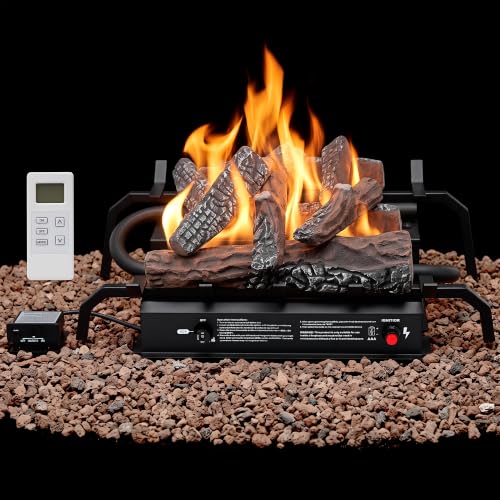
Propane Insert for Existing Fireplace: The Complete Guide
Transform your inefficient wood-burning fireplace into a clean, convenient, and highly efficient heat source. Learn everything you need to know before buying a propane fireplace insert.
View Top RecommendationsWhy Upgrade to a Propane Insert? If you have an existing masonry or prefabricated fireplace that is drafty, inefficient, or simply unused, a propane insert is one of the most effective upgrades you can make. It offers the realistic look of a real fire with the convenience of push-button ignition, thermostatic control, and significantly higher heating efficiency.
What Exactly Is a Propane Insert for an Existing Fireplace?
A propane insert is a self-contained heating appliance designed to fit into the opening of your existing fireplace. Unlike a simple set of ventless propane gas logs, an insert is a sealed combustion system that includes its own firebox, burner, and heat exchanger. It is connected to a propane supply (either from a tank or a dedicated line) and is designed to be a primary or supplementary heat source for your home.
When you choose a propane insert for your existing fireplace, you are essentially replacing the inefficient open hearth with a high-efficiency appliance. This upgrade allows you to enjoy a fire without the hassle of chopping wood, dealing with ash, or worrying about creosote buildup. For a broader understanding of how inserts compare to other options, see our guide on built-in vs freestanding fireplaces.
Types of Propane Inserts: Vented vs. Ventless
Before purchasing, you must decide between a vented and a ventless (also called vent-free) propane insert. Each has distinct advantages and installation requirements.
| Feature | Vented Propane Insert | Ventless Propane Insert |
|---|---|---|
| Venting | Requires a chimney liner or direct vent termination | No venting required; burns cleanly |
| Efficiency | High (70–90% AFUE) | Very High (up to 99.9%) |
| Indoor Air Quality | Excellent; all combustion byproducts go outside | Good; designed for near-complete combustion |
| Installation Complexity | Moderate to High (requires venting) | Low (no venting) |
| Best For | Homes where a chimney exists or can be lined | Homes without a chimney or where venting is difficult |
| Ideal Use | Primary heating, continuous use | Supplementary heating, zonal heating |
For a deeper dive into the differences, you can read our article on vented vs ventless gas fireplaces. If you are specifically looking for a ventless option, our guide on the ventless propane gas fireplace insert is a great resource.
Pros and Cons of Propane Fireplace Inserts
✅ Advantages
- High Efficiency: Significantly more efficient than traditional wood fireplaces (up to 90%+).
- Convenience: Push-button ignition, thermostatic control, and no wood to haul or ash to clean.
- Clean Burning: Propane is a clean-burning fuel, producing fewer emissions than wood.
- Realistic Flame: Modern inserts offer highly realistic flames and glowing embers.
- Heat Output: Can serve as a primary heat source for a room or zone.
- Value: Can increase the resale value of your home.
❌ Disadvantages
- Fuel Cost: Propane can be more expensive per BTU than natural gas in some areas.
- Installation: Requires professional installation, a propane line, and possibly venting.
- No Wood Aroma: You lose the smell and sound of a real wood fire (though some models have sound options).
- Space: The insert and its surround may protrude into the room.
- Dependency: You are dependent on a propane supply and electricity for ignition (in most models).
Key Considerations Before Buying
Choosing the right propane insert for your existing fireplace involves several important factors. First, measure your fireplace opening carefully. Inserts come in various sizes, and you need one that fits both the opening and the cavity. Second, determine your heating needs using our BTU guide. A larger room requires a higher BTU output.
Third, decide on venting. If you have a masonry chimney in good condition, a vented insert is often the best choice for efficiency and air quality. If your chimney is damaged or non-existent, a ventless insert may be your only option. Always check local building codes and permit requirements before installation. For a comprehensive overview, consult our fireplace buying guide.
Installation: What to Expect
Installing a propane insert is not a DIY project for most homeowners. It involves running a gas line, which should only be done by a licensed professional. The process typically involves:
- Inspection: A professional inspects your existing fireplace and chimney to determine if it is suitable for an insert.
- Venting: For vented inserts, a liner is installed in the chimney. For ventless, no venting is needed.
- Gas Line: A propane line is run from your supply to the insert location.
- Insert Placement: The insert is positioned and connected to the gas line and venting (if applicable).
- Finishing: A surround is attached to cover the gap between the insert and the fireplace opening.
Always hire a qualified professional for installation. You can read more about the process in our gas fireplace insert and installation guide. If you are considering a conversion from wood, our article on converting from wood to gas fireplace provides valuable insights.
Maintenance Tips for Longevity
Propane inserts are relatively low-maintenance, but regular care ensures safety and efficiency. An annual inspection by a qualified technician is recommended. This includes checking the burner, pilot light, and venting system. You should also clean the glass regularly using a non-abrasive cleaner. For detailed instructions, see our guide on how to clean fireplace glass and our general gas fireplace maintenance tips. Keeping up with maintenance helps prevent issues like a gas fireplace that won't light.
Ready to Upgrade Your Fireplace?
Explore our top-rated propane inserts for existing fireplaces and find the perfect fit for your home.
See Our RecommendationsFrequently Asked Questions
Can I install a propane insert in any existing fireplace?
Not always. Your existing fireplace must be structurally sound and meet certain size requirements. Masonry fireplaces are typically suitable, but prefabricated fireplaces may require a specific type of insert. A professional inspection is essential.
How efficient is a propane insert compared to a wood fireplace?
A traditional open wood fireplace is only about 10% efficient. A modern propane insert can be 70–90% efficient (vented) or even higher (ventless), making it a vastly superior heating source.
Do I need a chimney for a propane insert?
It depends. Vented inserts require a chimney or a direct vent. Ventless inserts do not require a chimney, making them ideal for homes without one. See our guide on do fireplaces need a chimney for more details.
How long does a propane insert last?
With proper maintenance, a quality propane insert can last 15–20 years or more. You can learn more about appliance longevity in our fireplace lifespan article.
Is a propane insert safe to leave on overnight?
Most modern propane inserts are designed for safe operation, but you should always follow the manufacturer's instructions. For safety guidelines, see our article on leaving a fireplace on overnight.