Prefabricated Fireplace Zero Clearance: Complete Guide
Discover everything you need to know about zero clearance prefabricated fireplaces—how they work, where to install them, safety considerations, and how to choose the right model for your home.
View Recommended ModelsWhat Is a Prefabricated Zero Clearance Fireplace?
A prefabricated fireplace zero clearance is a factory-built fireplace designed to be installed with minimal clearance to combustible materials. Unlike traditional masonry fireplaces that require a full brick or stone chimney and significant clearance, zero clearance units are engineered with insulated fireboxes and air-cooled or double-wall flue systems. This allows them to be framed directly into wood stud walls, making them ideal for new construction, renovations, and spaces where a traditional fireplace is impractical.
These units are often referred to as "prefab fireplaces" or "zero clearance fireboxes." They are available in wood-burning, gas, and electric models, though the term "zero clearance" is most commonly associated with wood and gas versions that require venting. For homeowners researching what is a fireplace and how different types compare, zero clearance models offer a versatile and efficient solution.
Key Takeaway: Zero clearance fireplaces are factory-built, safety-tested units that can be installed with minimal clearance to framing. They are a popular choice for modern homes because they save space, reduce installation complexity, and offer efficient heating.
How Does a Zero Clearance Fireplace Work?
Understanding the mechanics of a zero clearance fireplace helps you appreciate why they are so versatile. The core of the system is the firebox, which is typically constructed from steel or cast iron and lined with firebrick or refractory panels. Surrounding the firebox is an insulation layer and an outer shell that remains cool to the touch during operation. This design allows the unit to be placed directly against wood framing without the risk of fire.
Venting is another critical component. Most zero clearance fireplaces use a direct vent or B-vent system. Direct vent models pull combustion air from outside and exhaust gases outside through a single coaxial pipe, while B-vent models use a natural draft chimney. This venting flexibility means you can install a zero clearance fireplace in interior walls, basements, or even bedrooms—provided you follow the manufacturer's instructions and local building codes.
For those considering a wood-burning zero clearance fireplace, it's important to understand the role of the chimney. Unlike masonry fireplaces, these units use a factory-built chimney that is tested and listed as part of the system. If you're comparing options, our guide on do you need a chimney or vent for a fireplace explains the differences in detail.
Types of Prefabricated Zero Clearance Fireplaces
Zero clearance fireplaces come in several fuel types, each with its own advantages. Here's a breakdown of the most common options:
1. Wood-Burning Zero Clearance Fireplaces
These units burn real wood and produce a traditional flame and crackling sound. They are popular for their authentic ambiance and heating capability. Many modern wood-burning zero clearance models are EPA-certified for efficiency and low emissions. They require a Class A chimney and regular maintenance, including chimney cleaning and ash removal. If you're considering a wood-burning insert for an existing prefab fireplace, our article on wood stove insert for prefab fireplace provides valuable insights.
2. Gas Zero Clearance Fireplaces
Gas models are favored for their convenience, cleanliness, and realistic flames. They can be vented (direct vent or B-vent) or ventless, though ventless models are subject to strict regulations. Gas zero clearance fireplaces offer instant on/off operation, often with remote controls and thermostats. For a deeper comparison, see our guide on gas fireplace installation requirements. Many homeowners also explore ventless fireplace options for added flexibility.
3. Electric Zero Clearance Fireplaces
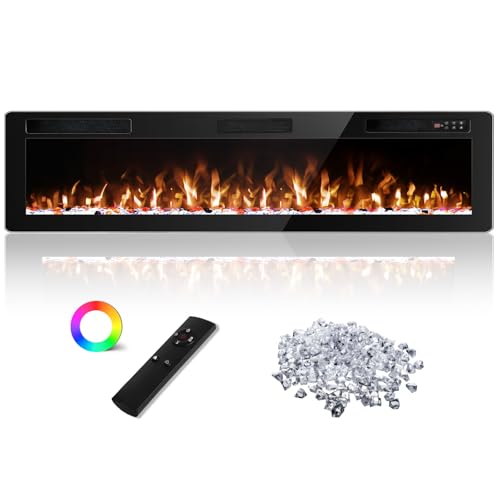
Electric zero clearance fireplaces are the easiest to install because they require no venting or gas lines—just a standard electrical outlet. They are ideal for apartments, basements, and renovations where structural changes are limited. While they don't produce real flames, modern electric models offer highly realistic LED flame effects and supplemental heat. If you're considering an electric option, you might be interested in electric fireplace installation plug and play guides. You can also explore electric fireplace inserts for wood burning fireplace as a conversion path.
| Feature | Wood-Burning | Gas | Electric |
|---|---|---|---|
| Venting Required | Yes (Class A chimney) | Yes (direct vent or B-vent) | No |
| Heating Efficiency | High (with insert) | Moderate to High | Low to Moderate |
| Installation Complexity | High | Moderate | Low |
| Maintenance | Regular (ash, chimney) | Annual service | Minimal |
| Best For | Authentic ambiance, heating | Convenience, realistic flame | Easy installation, apartments |
Installation and Clearance Requirements
One of the biggest advantages of a prefabricated zero clearance fireplace is the reduced clearance to combustibles. However, "zero clearance" does not mean you can install it anywhere without thought. Manufacturers specify exact clearance requirements for the sides, back, top, and front of the unit. These clearances are typically listed in the installation manual and must be strictly followed to maintain safety and warranty coverage.
Installation typically involves framing an opening according to the manufacturer's specifications, running the venting system, and connecting gas or electrical lines if applicable. For gas models, a licensed professional is often required. For electric models, a DIY installation is feasible for many homeowners. If you're planning a renovation, our fireplace installation guide overview provides a step-by-step look at the process. You may also want to check fireplace permit requirements in your area before starting.
Proper installation also involves ensuring adequate fireplace ventilation requirements are met. Even zero clearance units need proper airflow for combustion and cooling. For wood-burning models, a stainless steel chimney liner for wood burning fireplace may be necessary if you're retrofitting an existing chimney.
Safety Note: Always consult a qualified installer and your local building department before installing a zero clearance fireplace. Improper installation can lead to fire hazards, carbon monoxide buildup, and voided insurance claims.
Benefits and Drawbacks of Zero Clearance Fireplaces
Like any home improvement feature, zero clearance fireplaces have pros and cons. Understanding them helps you make an informed decision.
Benefits
- Space Efficiency: They can be installed in tight spaces, including interior walls and small rooms, because they don't require a massive masonry chimney.
- Installation Flexibility: Suitable for new construction and renovations. Electric models are especially easy to add to existing homes.
- Energy Efficiency: Many models are designed to maximize heat output while minimizing heat loss. Wood and gas units can be very efficient with proper venting.
- Safety: Factory-built and tested to strict standards, reducing the risk of house fires when installed correctly.
- Variety: Available in a wide range of styles, sizes, and fuel types to match any décor.
Drawbacks
- Venting Requirements: Wood and gas models still need venting, which can add complexity and cost to the installation.
- Limited Heating Capacity: While they can provide supplemental heat, they are generally not designed to heat an entire home. For whole-house heating, consider a high-efficiency wood stove with blower or a central heating system.
- Maintenance: Wood-burning units require regular cleaning and inspection. Gas units need annual servicing.
- Lifespan: While durable, prefab fireplaces may have a shorter lifespan than masonry fireplaces. Our article on fireplace lifespan covers this in more detail.
How to Choose the Right Zero Clearance Fireplace
Selecting the right prefabricated zero clearance fireplace involves several factors. Start by determining your primary goal: Are you looking for ambiance, supplemental heat, or both? Next, consider the available space and fuel type. Electric models are best for easy installation, while wood and gas offer more authentic experiences.
Pay attention to the heating capacity, measured in BTUs. Our fireplace heating capacity BTU guide and how to size a fireplace articles can help you calculate the right size for your room. For smaller spaces, a small fireplace or fireplace for small spaces might be more appropriate.
Also, consider the style and design. Zero clearance fireplaces come in contemporary, traditional, and transitional styles. You can customize the look with fireplace surrounds, fireplace mantels, and fireplace tile ideas. If you're handy, you might explore DIY fireplace surround options to save on installation costs.
Finally, think about efficiency and running costs. While we don't discuss specific prices, you can compare most energy-efficient fireplace types and electric vs gas fireplace running costs to understand long-term operating expenses. Our fireplace buying guide offers a comprehensive framework for making your decision.
Maintenance and Troubleshooting Tips
Proper maintenance ensures your zero clearance fireplace operates safely and efficiently for years. For wood-burning models, schedule annual chimney cleaning and inspect the firebox for cracks. Gas models should be serviced annually by a professional to check for leaks and clean the burner. Electric models require minimal maintenance—just dust the vents and clean the glass with a soft cloth.
If you encounter issues, our fireplace troubleshooting section covers common problems. For example, a gas fireplace won't light might indicate a pilot issue, while electric fireplace not heating could be a thermostat or heating element problem. Addressing issues early prevents costly repairs and safety hazards.
For seasonal care, follow our seasonal fireplace checklist and winter fireplace preparation guides. If you're unsure about any maintenance task, consult a certified technician. Our article on when to call a chimney sweep can help you decide.
Frequently Asked Questions
Can a zero clearance fireplace be installed in a mobile home?
Yes, many zero clearance fireplaces are approved for mobile homes, but you must choose a model specifically listed for mobile home use and follow the manufacturer's installation instructions, including outside air kits and secure venting.
How much clearance do I need around a zero clearance fireplace?
Clearance requirements vary by model, but typically range from 0 to 2 inches on the sides and back, and more on the top and front. Always refer to the specific installation manual for your unit.
Can I convert a wood-burning zero clearance fireplace to gas or electric?
In some cases, yes. You can install a gas fireplace insert for wood burning fireplace or an electric fireplace insert into wood burning fireplace. However, you must ensure the insert is approved for use in a prefab fireplace and meets local codes.
Do zero clearance fireplaces need a chimney?
Wood and gas models require a venting system, which may be a chimney or a direct vent pipe. Electric models do not require venting. For more details, see our article on do fireplaces need a chimney.
Are zero clearance fireplaces safe?
Yes, when installed correctly and maintained properly, they are very safe. They are tested to rigorous standards and designed to prevent overheating of surrounding materials. Always follow the manufacturer's instructions and local building codes.