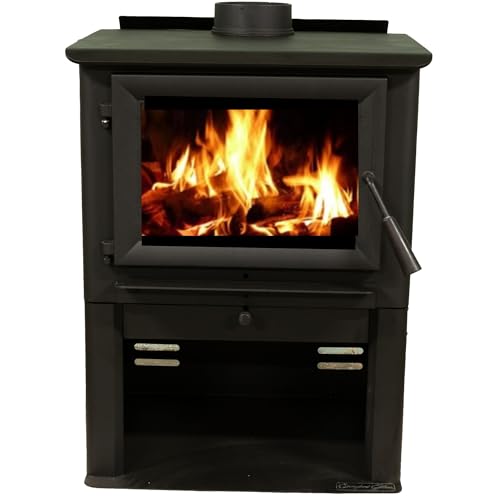
High Efficiency Wood Stove with Blower: The Complete Guide
Everything you need to know before choosing a wood stove that delivers more heat, less smoke, and lower wood consumption. Learn how blowers work, what efficiency ratings mean, and how to match a stove to your home.
View Recommended ModelsWhat Is a High Efficiency Wood Stove?
A high efficiency wood stove is designed to extract more heat from every piece of wood while producing less smoke and creosote. Unlike older stoves that lose a large portion of heat up the chimney, modern high efficiency models use advanced combustion systems to burn both the wood and the gases it releases.
Most high efficiency stoves rely on a two-stage or catalytic combustion process. In the first stage, wood burns and releases combustible gases. In the second stage, those gases are reignited at high temperatures, which increases heat output and reduces emissions. This is why a high efficiency stove can keep a room warm with significantly less wood than a traditional fireplace or an older stove.
If you are still comparing fuel types, our guide on electric vs gas vs wood fireplaces can help you understand where wood fits in your overall heating strategy.
How a Blower Improves Wood Stove Performance
A blower is a fan system that moves air across the hot surfaces of the stove and pushes warmed air into the room. Without a blower, a wood stove relies mostly on natural convection, which can leave corners of the room cooler and create uneven heating.
With a blower, heat distribution improves dramatically. The fan pulls cooler air from the floor level, passes it over the stove's heat exchanger, and releases it back into the room at a higher temperature. This creates a more consistent comfort level and allows the stove to heat a larger area effectively.
For a deeper look at how blowers compare to other circulation methods, see our article on blower vs fan. If you already own a stove and want to add a blower, the blower installation guide walks through the process.
Better Heat Distribution
A blower pushes warm air throughout the room instead of letting it stratify near the ceiling.
Faster Warm-Up
Rooms reach a comfortable temperature more quickly because heated air is actively circulated.
Reduced Hot Spots
Even heating prevents areas directly near the stove from becoming uncomfortably hot while other zones stay cold.
Improved Efficiency
By moving more heat into the living space, the blower helps the stove operate closer to its rated efficiency.
Key Features to Compare in a High Efficiency Wood Stove with Blower
Not all high efficiency wood stoves with blowers are built the same. The following features have the biggest impact on real-world performance, comfort, and long-term satisfaction.
| Feature | Why It Matters | What to Look For |
|---|---|---|
| Efficiency Rating | Higher efficiency means more heat per log and less creosote. | Look for models rated in the upper range for wood stoves; premium units typically exceed standard efficiency benchmarks. |
| Blower Type | Determines noise level, airflow, and heat distribution. | Variable-speed blowers offer better control; mid-range and high-end models usually include quieter operation. |
| Firebox Size | Affects burn time and how often you need to reload. | Larger fireboxes suit colder climates and longer burns; smaller ones fit tighter spaces. |
| Emissions | Lower emissions mean cleaner air and less chimney maintenance. | Top-tier stoves meet or exceed current emission standards; entry-level models may be less clean-burning. |
| Build Material | Cast iron and steel affect heat retention and durability. | Cast iron holds heat longer; steel heats up faster. Premium stoves often combine both. |
| Loading Style | Front-load and top-load affect convenience and smoke spillage. | Top-load reduces smoke in the room; front-load is more common and works well with most layouts. |
If you want to understand how efficiency translates into heating capacity, our BTU and heating capacity guide explains how to match a stove to your square footage. For installation planning, the sizing guide for open concept rooms is especially useful.
Installation Considerations for a Wood Stove with Blower
Proper installation is critical for safety and performance. A high efficiency wood stove with blower requires a clearances-to-combustibles plan, a properly sized chimney or flue, and a power source for the blower.
If you are installing a stove into an existing fireplace, our guide on converting a fireplace to a wood stove covers the transition. For a broader overview, see the indoor wood burning stove installation guide.
Key installation factors include:
- Clearances: Maintain required distances from walls, furniture, and flooring. Reduced-clearance stoves offer more placement flexibility but still require adherence to manufacturer specifications.
- Chimney height and draft: A properly sized flue ensures good draft and prevents smoke spillage. The chimney and vent guide explains when a full chimney is necessary.
- Blower power: The blower needs a nearby outlet or a hardwired connection. Plan the cord routing to avoid tripping hazards.
- Floor protection: A non-combustible hearth pad protects your flooring from embers and heat.
- Permits and inspections: Check local codes before installation. The permit requirements guide explains what to expect.
For a step-by-step overview of the entire process, see the fireplace installation guide.
Efficiency, Wood Use, and Long-Term Value
A high efficiency wood stove with blower is an investment. The upfront cost is higher than a basic stove, but the long-term savings come from using less wood, producing less creosote, and needing fewer chimney cleanings.
Efficiency ratings are not just marketing numbers. They reflect how much of the fuel's energy is converted into usable heat. A premium high efficiency stove can extract far more heat per cord of wood than an older, low-efficiency model. Over several heating seasons, that difference translates into meaningful savings and less physical labor.
To compare operating costs across fuel types, see our articles on most energy efficient fireplace types and which fireplace saves money long-term. If you are weighing wood against electricity, the running costs comparison provides a useful framework.
Maintenance Tips for High Efficiency Wood Stoves with Blowers
Regular maintenance keeps your stove operating safely and efficiently. A high efficiency stove with a blower has a few specific maintenance needs beyond a standard wood stove.
- Clean the blower: Dust and debris can accumulate on the blower blades and reduce airflow. Vacuum the blower intake and blades according to the manufacturer's schedule.
- Inspect door gaskets: A tight seal is essential for controlling combustion. Replace worn gaskets to prevent air leaks.
- Check the firebrick and baffle: Cracked firebrick or a warped baffle can reduce efficiency. Replace damaged components promptly.
- Remove ash regularly: Excessive ash buildup can block airflow and reduce combustion efficiency. See the ash removal and disposal guide for safe practices.
- Schedule chimney cleaning: Even high efficiency stoves produce some creosote. The chimney cleaning guide explains how often to clean and why it matters.
- Seasonal inspection: Use the seasonal maintenance checklist to prepare your stove for winter and the summer care guide for off-season storage.
For a complete maintenance routine, see the wood fireplace maintenance guide. If you notice performance issues, the troubleshooting hub covers common problems like draft problems and excessive smoke.
Safety Essentials for Wood Stove Operation
Safety should always come first when operating a wood stove. High efficiency stoves are generally safer than older models because they burn more completely, but they still require responsible use.
- Never leave a fire unattended for extended periods without checking on it.
- Keep flammable materials well away from the stove. The furniture distance guide provides clear guidelines.
- Install smoke and carbon monoxide detectors nearby. The carbon monoxide signs guide explains what to watch for.
- Use a fire screen or keep the door closed to prevent embers from escaping. See the ember safety guide for details.
- Never burn green or wet wood, trash, or accelerants. Seasoned hardwood produces the best results.
For more safety-related questions, visit the fireplace FAQ and the article on leaving a fireplace on overnight.
Useful Accessories for Wood Stove Owners
The right accessories make a wood stove easier and safer to use. Common additions include:
- Stove gloves: Protect your hands when loading wood. See the fireplace gloves guide.
- Ash containers: A metal ash bucket with a lid keeps disposal safe and clean.
- Stove thermometers: Monitor flue and stovetop temperatures to maintain efficient combustion.
- Chimney brushes and rods: Essential for DIY chimney cleaning. The brush replacement guide covers options.
- Fireplace tools: Pokers, tongs, and shovels help you manage the fire safely. See the fireplace pokers and iron tongs guides.
For a broader overview, visit the fireplace accessories hub.
Frequently Asked Questions
A high efficiency wood stove uses advanced combustion technology, such as catalytic or secondary burn systems, to extract more heat from each log and reduce emissions. This means less wood is needed to achieve the same level of warmth, and the chimney stays cleaner.
Yes. A blower actively circulates heated air into the room, which improves heat distribution and reduces hot and cold spots. In larger rooms or open floor plans, a blower can make a significant difference in overall comfort.
In many cases, yes. A properly sized high efficiency stove with a blower can serve as a primary heat source for small to medium homes, especially when paired with good insulation and air circulation. For larger homes, it may work best as a supplemental heat source. See our guide on whether a fireplace can heat an entire house for more details.
Check the blower every few weeks during heavy use and clean it at least once per heating season. Dust and debris can reduce airflow and cause the motor to work harder. Always unplug the stove before cleaning the blower.
For many homeowners, yes. The higher upfront cost is offset by lower wood consumption, less frequent chimney cleaning, and better heating performance. If you use your stove frequently during winter, the long-term savings and comfort benefits are substantial. See our article on hidden costs of owning a fireplace for a balanced view.
Ready to Choose a High Efficiency Wood Stove with Blower?
Explore our recommended models below. Each one is selected for performance, reliability, and efficient heating.
See Recommended Models