Outdoor Wood Burning Stove for Cooking: The Complete Guide
Discover how to choose, use, and maintain an outdoor wood burning stove for delicious open-fire cooking, from backyard feasts to off-grid adventures.
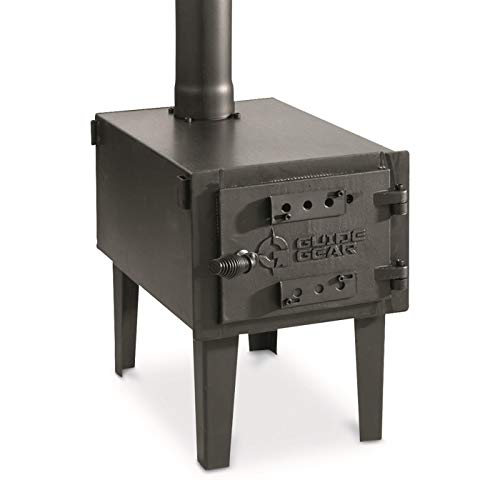
Explore Top PicksThere is something profoundly satisfying about cooking over a live wood fire. The crackle of the flames, the rich smoky aroma, and the primal connection to your food create an experience that a modern kitchen simply cannot replicate. An outdoor wood burning stove for cooking is the perfect tool to bring this experience to your backyard, campsite, or homestead. Unlike a traditional open fire pit, a dedicated wood-burning cookstove offers controlled heat, stable cooking surfaces, and significantly better fuel efficiency.
Whether you are a weekend griller looking to elevate your barbecue game, a prepper seeking a reliable off-grid cooking solution, or a homesteader wanting to cook with renewable resources, understanding the nuances of these stoves is essential. This guide will walk you through every consideration, from fuel types and materials to installation and safety, ensuring you make a confident and informed purchase. If you are new to the world of fireplaces and stoves, our beginner's guide to fireplaces provides a great foundation. For a broader look at heating options, you might also explore our guide on the most energy-efficient fireplace types.
Why Choose a Wood-Burning Cookstove? These stoves are celebrated for their ability to deliver high, consistent heat for searing, boiling, and simmering. They are ideal for emergency preparedness, outdoor kitchens, and anyone who loves the authentic flavor of wood-fired cooking.
Types of Outdoor Wood Burning Stoves for Cooking
Not all outdoor wood stoves are created equal. The right choice depends on your primary cooking style, portability needs, and available space. Here are the main categories to consider:
1. Portable Camping Stoves
Lightweight and often foldable, these are designed for backpacking and car camping. They typically burn small twigs and are perfect for boiling water and simple one-pot meals. They are entry-level in terms of size and capacity but are incredibly fuel-efficient for their weight.
2. Backyard Barrel Stoves
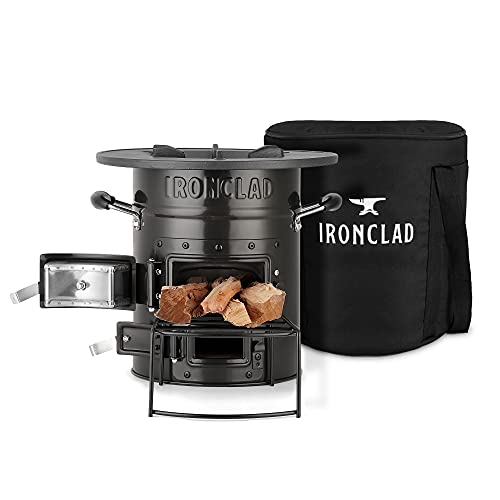
These mid-range stoves are often made from steel drums or heavy-gauge metal. They offer a larger cooking surface, often with multiple burners, and can handle everything from a large pot of chili to a cast-iron skillet. They are a popular choice for patio and backyard cooking.
3. Masonry & Brick Stoves
These are premium, permanent installations. Built from brick, stone, or concrete, they offer excellent heat retention and a traditional aesthetic. They are a significant investment but can become the centerpiece of an outdoor kitchen. For those interested in building their own, our guide on concrete block outdoor fireplace plans can be a valuable resource.
4. Antique & Vintage Cookstoves
Restored cast-iron stoves from the early 20th century are highly sought after for their durability and charm. They are often top-tier in terms of build quality and provide a unique, historical cooking experience. You can find models like wood burning cast iron stoves for sale that are perfect for outdoor use.
Key Features to Evaluate Before You Buy
When comparing models, focus on these critical features to ensure the stove meets your specific cooking needs and safety requirements.
| Feature | Why It Matters | What to Look For |
|---|---|---|
| Cooking Surface Area | Determines how many pots or pans you can use simultaneously. | For family meals, look for a surface that can accommodate at least two large pots. Removable grates offer flexibility. |
| Material & Build Quality | Affects durability, heat distribution, and longevity. | Cast iron offers superior heat retention but is heavy. Heavy-gauge steel is a good balance. Stainless steel is rust-resistant but may not hold heat as well. |
| Fuel Efficiency | Determines how much wood you will consume and how often you need to refuel. | A well-insulated firebox and a design that promotes secondary combustion are hallmarks of a high-efficiency stove. Look for models described as "high-efficiency." |
| Ventilation & Draft | Essential for maintaining a clean, hot fire and directing smoke away from the cook. | A adjustable damper and a well-designed chimney or flue are crucial. If you are installing a stove in a structure, proper fireplace ventilation requirements must be met. |
| Portability | Key for campers and those who want to move the stove around the yard. | Look for foldable legs, carry handles, and a lightweight design. Some models come with a carrying case. |
Fuel Choices and Efficiency
The type of wood you burn significantly impacts both the flavor of your food and the efficiency of your stove. Hardwoods like oak, maple, and hickory are dense and burn long and hot, making them ideal for cooking. Softwoods like pine burn quickly and are better for starting a fire. Always use seasoned (dried) wood to minimize smoke and creosote buildup.
Efficiency is a major concern for any wood-burning appliance. A high-efficiency stove will produce more heat from less wood, saving you time and resources. Look for features like insulated fireboxes and catalytic combustors. If you are considering a larger heating and cooking setup, our article on high-efficiency wood stoves with blowers discusses how forced air can further improve performance.
Installation and Safety Guidelines
Safety must be your top priority when operating any wood-burning appliance. Whether you are using a portable stove on a campsite or a permanent masonry stove in your backyard, adhere to the following guidelines:
- Clearance: Maintain a safe distance between the stove and any combustible materials, such as wooden fences, walls, or overhanging branches. Always follow the manufacturer's recommended clearances.
- Surface: Place the stove on a non-combustible surface like concrete, stone, or a dedicated fireproof mat. Never place it directly on grass or wooden decks.
- Ventilation: Ensure proper airflow to the fire. If using a stove in a semi-enclosed area, a chimney or flue is necessary to direct smoke away. For permanent installations, understanding whether you need a chimney or vent is critical.
- Fire Safety: Keep a fire extinguisher, a bucket of water, or a fire blanket nearby. Never leave a fire unattended. For more on this, see our guide on fireplace ember safety.
- Carbon Monoxide: While outdoor stoves pose a lower risk, if you are using one in a covered patio or garage, be aware of the signs of carbon monoxide. Our article on carbon monoxide signs from fireplaces is a must-read.
Maintenance for Longevity
A well-maintained stove will last for many years. Regular maintenance includes:
- Ash Removal: Regularly remove ash to ensure proper airflow. Always dispose of ash in a metal container and let it cool completely before disposal. Our ash removal and disposal guide provides detailed instructions.
- Cleaning: Keep the cooking surfaces clean and oiled to prevent rust. For a deep clean, refer to our tips on how to clean fireplace brick and stone if your stove has masonry components.
- Inspection: Periodically inspect the stove for cracks, rust, or damage to the door gasket. A yearly inspection before the cooking season is a good habit. You can adapt the principles from our annual fireplace inspection guide.
- Chimney Care: If your stove has a chimney, it needs to be cleaned to prevent creosote buildup. Learn about creosote buildup prevention to avoid dangerous chimney fires.
Getting the Most Out of Your Wood-Fired Cooking
Cooking on a wood stove is an art that rewards patience and practice. Here are a few tips to get you started:
- Manage the Heat: Use the damper and the amount of wood to control the temperature. You will need high heat for searing and lower, sustained heat for simmering.
- Use Cast Iron: Cast iron cookware is ideal for wood stoves as it distributes heat evenly and is virtually indestructible.
- Experiment with Smoke: Different woods impart different flavors. Fruitwoods like apple and cherry add a sweet, mild smoke, while hickory and mesquite provide a stronger, more assertive flavor.
- Plan Your Meal: Cooking on a wood stove requires a bit more planning than using a gas grill. Have all your ingredients prepped and ready before you light the fire.
If you are interested in expanding your outdoor cooking setup, consider adding a pizza oven. Our article on outdoor wood fireplaces with pizza ovens explores combination units that offer incredible versatility.
Frequently Asked Questions
Can I use an outdoor wood burning stove indoors?
No. Outdoor wood-burning stoves are not designed for indoor use. They can produce carbon monoxide and other harmful gases. Only use stoves that are specifically rated and certified for indoor installation. You can learn more about indoor options in our guide on indoor wood burning stove installation.
What is the best wood for cooking?
Hardwoods such as oak, hickory, maple, and fruitwoods (apple, cherry) are generally considered the best for cooking. They burn hot, last long, and produce a pleasant aroma. Avoid softwoods like pine and cedar, as they burn quickly and can impart an unpleasant resinous flavor.
How do I control the temperature on a wood stove?
You control the temperature by adjusting the air intake (damper) and the amount of fuel. Opening the damper increases airflow, making the fire hotter. Closing it reduces airflow, lowering the temperature. Adding more wood will also increase the heat output.
Are outdoor wood stoves safe to use on a wooden deck?
No, you should never place an outdoor wood stove directly on a wooden deck. The intense heat can char or ignite the wood. Always place the stove on a non-combustible surface, such as a concrete patio, stone pavers, or a fireproof mat, and maintain the manufacturer's recommended clearance from any combustible materials.
How often do I need to clean my stove?
You should remove ash regularly, depending on how often you use the stove. A deeper cleaning and inspection should be done at the beginning and end of each cooking season. If you use it frequently, a monthly check of the chimney and firebox is a good practice.
Ready to Start Cooking with Wood?
Now that you understand the ins and outs of outdoor wood burning stoves, you are ready to find the perfect model for your backyard or campsite. Explore our recommended products below to find a stove that matches your needs and budget.
View Recommended Stoves