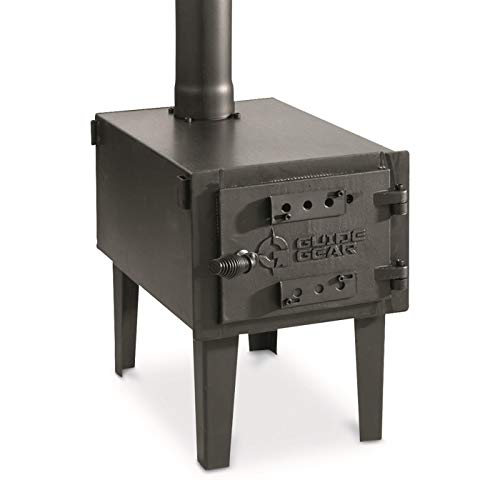
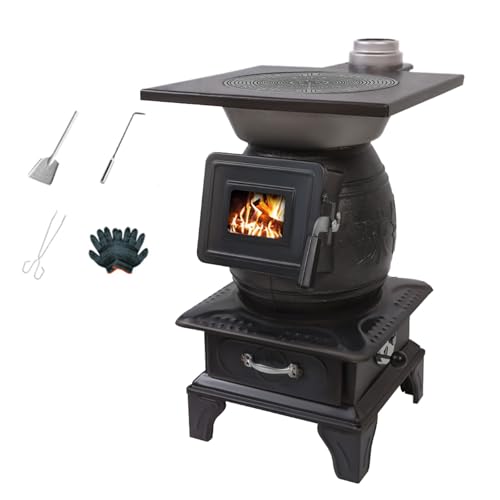
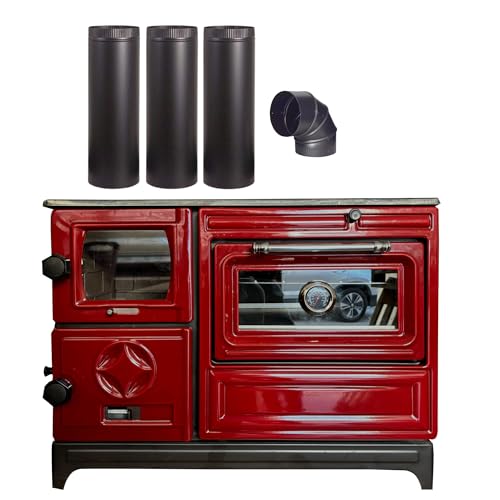
Installing a Wood Burning Stove in an Existing Fireplace Cost
Get a clear, practical breakdown of what it really takes to install a wood burning stove in your existing fireplace — from the stove itself and chimney liner to labor and hidden expenses.
See Cost BreakdownWhy this guide matters: Converting an open fireplace into a wood burning stove setup is one of the most popular home upgrades for homeowners who want better heating efficiency, lower emissions, and a cozy focal point. But the total investment involves more than just the stove. This guide walks you through every cost component so you can plan with confidence — and avoid surprises.
Why Install a Wood Burning Stove in an Existing Fireplace?
An open fireplace is charming but notoriously inefficient — it can send up to 90% of its heat straight up the chimney. A wood burning stove, by contrast, is a closed combustion system that radiates heat into the room far more effectively. Installing one into an existing fireplace opening is often the smartest route because the chimney and hearth already exist. This can reduce the scope of structural work, though it still requires careful planning and professional installation.
Many homeowners choose this path when they want the ambiance of a real fire without the inefficiency of an open grate. A properly sized stove can heat a significant area of your home, reduce reliance on central heating, and even lower energy bills over time. For a broader overview of how stoves compare to other options, see our guide on wood burning stoves that look like a fireplace.
Full Cost Breakdown: What You're Paying For
The total cost of installing a wood burning stove in an existing fireplace depends on several factors: the stove model, the condition of your chimney, the type of liner required, local labor rates, and any additional components like hearth pads or ventilation upgrades. Below is a detailed breakdown using universal quality tiers instead of absolute prices, so you can compare relative investment levels regardless of your market.
| Component | What It Covers | Typical Tier Range |
|---|---|---|
| Wood Burning Stove | The appliance itself — steel or cast iron, efficiency rating, heat output, and design features. | Budget-Friendly to Luxury |
| Chimney Liner | Stainless steel flexible liner, insulation, and fittings to safely vent exhaust through the existing chimney. | Entry-Level to Premium |
| Professional Labor | Removal of old fireplace components, liner installation, stove connection, and safety testing. | Mid-Tier to High-End |
| Hearth Pad / Floor Protection | Non-combustible surface to protect flooring from heat and embers, required by building codes. | Affordable to Mid-Priced |
| Chimney Cap & Venting | Rain cap, spark arrestor, and any additional venting components needed for safe operation. | Entry-Level to Premium |
| Permits & Inspection | Local building permits and final inspection to ensure code compliance. | Affordable to Mid-Priced |
| Optional Upgrades | Blower fans, outside air kits, decorative surrounds, or custom hearth extensions. | Mid-Tier to Luxury |
It's important to note that the stove and liner together typically represent the largest portion of the total investment. Labor can vary significantly depending on your region and the complexity of the installation. If you're comparing this to other fireplace upgrades, you may also want to read about installing a wood burning stove in an existing fireplace for a step-by-step overview of the process.
Wood Burning Stove Cost Factors
The stove itself is the centerpiece of your investment. Several variables influence where it falls on the quality tier spectrum:
- Material & Construction: Entry-level stoves often use lighter steel plate, while premium and luxury models feature heavy cast iron or soapstone for superior heat retention.
- Efficiency Rating: Higher-efficiency stoves (often certified to stricter emissions standards) tend to sit in the mid-range to premium tiers. They burn less wood for the same heat output.
- Heat Output (BTU): Larger stoves designed for open-concept spaces or whole-home heating cost more than compact models for single rooms.
- Design & Finish: Simple matte black finishes are typically more affordable; enameled finishes, glass doors, and designer detailing push into higher tiers.
- Brand & Warranty: Established brands with long warranties and certified performance usually command a premium.
If you're considering a stove that mimics the look of a traditional fireplace, explore our article on wood burning stoves that look like a fireplace. For those who prefer a freestanding unit with a blower for better heat distribution, see free standing wood burning stove with blower.
Chimney Liner Cost Factors
A chimney liner is not optional — it's a critical safety component. It directs exhaust gases safely out of your home and protects the chimney structure from heat and creosote. The cost of a liner depends on:
- Liner Material: Flexible stainless steel is standard; higher-grade alloys or insulated liners cost more but offer better durability and performance.
- Chimney Height & Accessibility: Taller chimneys require more liner material. Difficult roof access can increase labor.
- Insulation: Insulated liners improve draft and reduce creosote buildup, often recommended for external chimneys.
- Chimney Condition: If your existing chimney has damage, additional repairs may be needed before liner installation. Our chimney cleaning guide covers inspection basics.
For a detailed look at liner options, including stainless steel chimney liners for wood stoves, see stainless steel chimney liner for wood stove.
Labor and Installation Costs
Professional installation is strongly recommended — and often required by code. Labor typically includes:
- Removing the old fireplace damper or modifying the opening to fit the stove or insert.
- Installing the chimney liner and connecting it to the stove.
- Setting the stove in place and connecting the flue collar.
- Installing the hearth pad and any required clearances.
- Testing for draft, leaks, and safe operation.
Labor costs vary widely by region and the complexity of the job. In general, mid-tier labor includes standard installation, while high-end labor may involve custom fabrication, difficult access, or additional safety upgrades. If you're weighing DIY versus professional installation, our guide on DIY vs professional fireplace installation can help you decide.
Hidden and Overlooked Costs
Beyond the main components, several expenses can catch homeowners off guard:
- Chimney Repairs: Cracked flue tiles, missing mortar, or a damaged crown may need fixing before liner installation.
- Hearth Extension: Building codes often require a non-combustible hearth pad extending a certain distance in front of the stove.
- Ventilation Upgrades: If your home is tightly sealed, an outside air kit may be needed to ensure proper combustion.
- Permits: Many jurisdictions require a permit for solid-fuel appliance installation.
- Removal & Disposal: Old fireplace components, packaging, and debris may incur disposal fees.
For a broader perspective on fireplace-related expenses, see our fireplace cost breakdown and hidden costs of owning a fireplace.
Cost Comparison by Quality Tier
To help you set expectations, here's how different quality tiers generally compare across the main components. Remember: these are relative comparisons, not absolute numbers.
| Component | Entry-Level / Budget-Friendly | Mid-Range / Mid-Tier | Premium / Luxury |
|---|---|---|---|
| Stove | Basic steel construction, standard efficiency, simple design | Better efficiency, cast iron accents, glass door, reliable brand | Heavy cast iron or soapstone, highest efficiency, designer finishes |
| Chimney Liner | Standard flexible stainless steel, uninsulated | Insulated liner, higher-grade alloy, better fittings | Premium insulated liner, custom length, top-tier durability |
| Labor | Standard installation, straightforward access | Experienced installer, minor modifications, code compliance | Complex installation, custom work, difficult access, full inspection |
| Hearth Pad | Basic non-combustible board | Tile or stone surface, custom sizing | Premium stone, designer finish, extended protection |
Mid-range models typically offer the best balance of performance, durability, and visual appeal for most homeowners. Entry-level options can work well for occasional use or tight budgets, while premium tiers are for those who want maximum efficiency, longevity, and aesthetic refinement.
Is Installing a Wood Stove in Your Existing Fireplace Worth It?
For many homeowners, yes. A wood burning stove can dramatically improve heating efficiency, reduce dependence on fossil fuels, and add a beautiful focal point to your living space. It can also increase home value — see our article on does a fireplace add value to your home for more on this.
However, the upfront investment is real. To make the decision easier, consider these factors:
- Heating Needs: If you use your fireplace frequently or want to offset heating costs, a stove pays off faster.
- Chimney Condition: A sound chimney reduces additional repair costs.
- Local Regulations: Some areas restrict wood burning on certain days; check before investing.
- Long-Term Savings: A high-efficiency stove can lower your energy bills over time. See which fireplace saves money long-term.
If you're still exploring options, our fireplace buying guide and which fireplace is right for your home can help you compare wood stoves against gas, electric, and ethanol alternatives.
Installation Process Overview
Understanding the installation steps helps you anticipate where costs arise. Here's a high-level sequence:
- Assessment: A professional inspects your existing fireplace, chimney, and hearth to determine feasibility and required modifications.
- Permits: Apply for any required building permits.
- Preparation: Remove the old damper, clean the chimney, and make any necessary repairs.
- Liner Installation: Feed the flexible liner down the chimney and secure it at the top with a cap.
- Stove Placement: Position the stove or insert, connect the flue, and ensure proper clearances.
- Hearth Pad: Install non-combustible floor protection if not already present.
- Testing & Inspection: Verify draft, check for leaks, and schedule a final inspection.
For a more detailed walkthrough, see installing a wood burning stove in a fireplace and fireplace installation guide overview.
Maintenance and Ongoing Costs
After installation, budget for routine maintenance to keep your stove safe and efficient:
- Annual Chimney Inspection: Essential for creosote detection and liner integrity. See annual fireplace inspection.
- Chimney Sweeping: Frequency depends on usage; typically once per year. Our average cost of chimney sweep and inspection article explains what to expect.
- Ash Removal: Regular cleaning is necessary; see ash removal & disposal guide.
- Gasket & Glass Care: Door gaskets and glass may need periodic replacement. See wood fireplace maintenance.
- Creosote Prevention: Burn dry, seasoned wood and maintain proper draft. Learn more in creosote buildup prevention.
These ongoing costs are relatively modest compared to the upfront installation, but they are important for safety and performance.
Frequently Asked Questions
Can I install a wood burning stove in my existing fireplace myself?
While some homeowners attempt DIY installations, wood stove installation involves complex safety requirements, including proper chimney lining, clearances, and ventilation. Most building codes require professional installation or at least inspection. For a balanced view, read is a fireplace DIY-friendly and DIY vs professional fireplace installation.
How long does installation take?
A straightforward installation in an existing fireplace typically takes one to two days, depending on chimney access, liner complexity, and any necessary repairs. For a detailed breakdown, see how long does fireplace installation take.
Do I need a permit to install a wood burning stove?
In most jurisdictions, yes. Permits ensure the installation meets safety and building codes. Requirements vary by location. See do I need a permit for a fireplace for general guidance.
What is the most expensive part of the installation?
The stove and the chimney liner are typically the two largest cost components. Labor is the third major factor. Premium stoves and insulated liners push the investment higher, while entry-level options can reduce it.
Can I use my existing chimney?
Often yes, but it must be inspected and may need a new liner. If the chimney is damaged or unlined, additional repairs are necessary. See do all fireplaces need a chimney and chimney inspection: what's checked.
How much maintenance does a wood stove need?
Annual chimney sweeping and inspection are recommended, along with regular ash removal and periodic gasket checks. See monthly & yearly maintenance schedule for a full checklist.
Is a wood stove more efficient than an open fireplace?
Yes, significantly. A closed wood stove can be 70–80% efficient, while an open fireplace is often less than 10–20% efficient. This is one of the main reasons homeowners choose to install a stove. For more on efficiency, see most energy-efficient fireplace types.
Will a wood stove heat my whole house?
It depends on the stove size, your home layout, and insulation. A properly sized stove can heat a substantial area, but whole-house heating may require a larger unit or supplementary system. See can a fireplace heat an entire house.
Ready to Explore Wood Burning Stove Options?
Browse our recommended stoves and inserts designed for existing fireplace installations. Compare features, efficiency, and design to find the right fit for your home.
View Recommended StovesFinal Thoughts
Installing a wood burning stove in an existing fireplace is a meaningful investment that can transform how you heat and enjoy your home. The total cost depends on your choice of stove, chimney liner, labor, and any additional components or repairs. By understanding each cost component and planning for both upfront and ongoing expenses, you can make a confident decision that aligns with your budget and heating goals.
Whether you're drawn to the efficiency of a modern stove or the charm of a traditional design, the right installation can deliver years of warmth and satisfaction. For more guidance, explore our fireplace buying guide, fireplace cost breakdown, and fireplace FAQ.