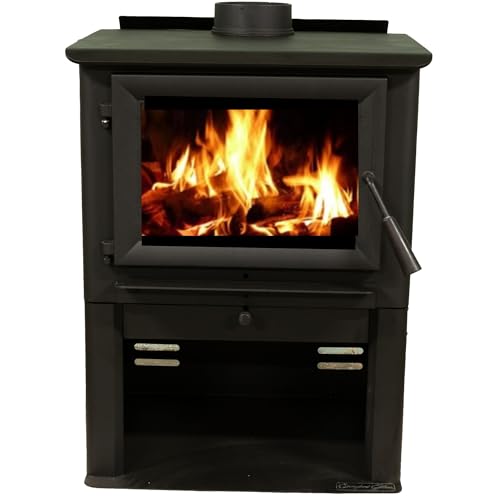
Free Standing Wood Burning Stove with Blower
Discover how a blower-equipped freestanding wood stove can transform your home heating — delivering faster warmth, better air circulation, and more consistent comfort throughout your living space.
SEE RECOMMENDED MODELSWhy a Blower Matters: A blower (also called a fan) actively pushes heated air from the stove into your room instead of relying solely on passive radiation and convection. This simple addition can dramatically improve how quickly and evenly your space warms up — especially in larger rooms or homes with high ceilings.
What Is a Free Standing Wood Burning Stove with Blower?
A freestanding wood burning stove is a self-contained heating appliance that sits independently in your room, typically on a hearth pad or floor protector. Unlike a fireplace insert, which is designed to fit into an existing masonry fireplace, a freestanding stove stands on its own and connects to a chimney or venting system. When equipped with a blower, this type of stove combines the rustic charm of a traditional wood fire with modern heat-distribution technology.
The blower is a fan assembly — usually mounted at the rear or bottom of the stove — that draws cool air from the room, passes it over the heated surfaces of the stove (or through a heat exchanger), and then pushes the warmed air back into the room. This active circulation is what sets a blower-equipped stove apart from a passive radiant model. If you are still deciding between different heating appliances, our guide on built-in vs freestanding fireplaces can help you understand the broader trade-offs. For those specifically comparing wood stoves to other fuel types, the electric vs gas vs wood fireplace comparison offers a side-by-side breakdown.
Many homeowners choose a freestanding wood stove with a blower because it offers a balance of old-world ambiance and modern efficiency. The blower does not generate heat itself — it simply moves the heat that the stove already produces, making the appliance more effective at warming the rooms you actually use. This is particularly valuable in open-concept layouts or spaces where heat would otherwise stratify near the ceiling.
How a Blower Improves Wood Stove Performance
Without a blower, a freestanding wood stove relies on natural convection and radiation. Radiant heat warms objects and people in direct line of sight, while natural convection creates a slow, gentle circulation as warm air rises and cool air sinks. This works well in small, well-insulated rooms, but it can leave distant areas of a larger home feeling chilly. A blower changes that dynamic by actively moving air across the stove's heat exchange surfaces and distributing it more broadly.
Faster Warm-Up
A blower can cut the time it takes to feel warmth in a cold room. Instead of waiting for passive convection to slowly circulate air, the fan pushes heated air directly into your living space within minutes of ignition.
More Even Heat Distribution
By continuously moving air, a blower reduces hot and cold spots. This is especially helpful in rooms with high ceilings or open floor plans where heat would otherwise rise and stratify near the ceiling.
Improved Efficiency Perception
While the blower does not change the stove's combustion efficiency, it makes the heat that is produced feel more effective. You may find you can heat a larger area with the same amount of wood.
Better Comfort in Far Areas
In homes where the stove is centrally located, a blower can help push warmth into adjacent rooms, hallways, and open areas that would otherwise remain cool.
It is important to note that a blower requires electricity to operate. Most models plug into a standard household outlet, though some can be hardwired. If you are concerned about power outages, look for stoves that can operate safely without the blower (most can) so you still have radiant heat even when the fan is off. For a broader look at how different fireplace types handle heating, see our guide on fireplace heating capacity and BTU.
Key Features to Look For in a Blower-Equipped Wood Stove
Not all freestanding wood stoves with blowers are created equal. The quality of the blower, the design of the heat exchanger, and the overall construction of the stove all affect how well the appliance performs. Below are the most important features to evaluate before making a purchase.
- Blower Type and Airflow: Look for a blower with adjustable speed settings. Variable-speed fans allow you to fine-tune airflow based on room size and desired comfort level. A higher CFM (cubic feet per minute) rating generally means more air movement, but it also means more noise.
- Noise Level: A powerful blower can be noisy. Many modern stoves use quiet, balanced fans that move air effectively without creating a distracting hum. If the stove is in your main living area, noise level matters.
- Heat Exchanger Design: Some stoves have dedicated heat exchange channels that the blower pushes air through, extracting more heat before it enters the room. This design can significantly improve efficiency.
- Thermostatic Control: Some blowers turn on automatically when the stove reaches a certain temperature and shut off when it cools. This saves energy and prevents blowing cold air.
- Build Quality and Materials: Cast iron and steel are the most common materials. Cast iron retains heat longer, while steel heats up faster. Both are durable when properly maintained.
- Burn Time and Firebox Size: A larger firebox can hold more wood and burn longer between refills. This is especially important if you want overnight burns.
- Emissions and Efficiency Ratings: Look for stoves that meet or exceed current EPA emissions standards. Higher efficiency means more heat from less wood. Our article on most energy-efficient fireplace types provides additional context on efficiency ratings.
When comparing models, it helps to think in terms of tiers. Entry-level stoves typically offer basic blower functionality and simpler controls. Mid-range models often include variable-speed fans, better heat exchangers, and improved firebox insulation. Premium and luxury models may feature thermostatic blower control, advanced combustion systems, and superior construction materials. For a deeper dive into how blowers work and how to choose one, see our fireplace blower fan guide.
Installation and Placement Considerations
Installing a freestanding wood burning stove with a blower requires careful planning. Unlike a plug-in electric fireplace, a wood stove needs proper venting, clearances, and a safe hearth. The blower adds a small electrical requirement, but the main installation challenges are related to chimney and clearance requirements.
First, you need to determine whether you will vent the stove through an existing chimney or install a new one. Many homeowners choose to install a wood stove in an existing fireplace opening, using a stainless steel liner. Our guide on installing a wood burning stove in an existing fireplace walks through the process. If you are starting from scratch, you will need to plan for a Class A chimney system. The fireplace installation guide overview covers the general steps involved.
Clearances are critical. Wood stoves must be placed at a safe distance from combustible walls, floors, and furniture. The stove manual will specify these clearances, and local building codes may impose additional requirements. A hearth pad or floor protector is almost always required to protect your flooring from embers and heat. For more information on safety distances, see our article on furniture distance from fireplace.
Electrical access is also important. The blower needs a nearby outlet, or it can be hardwired by an electrician. If you are installing the stove in a location without easy access to power, you may need to run a new circuit. While this adds to the installation cost, it is a one-time expense that enables the blower's benefits.
Finally, consider the stove's placement in your home. A centrally located stove will distribute heat more evenly than one tucked into a corner. If you are working with a smaller space, our guide on best fireplace for small spaces offers additional tips. And if you are weighing the pros and cons of doing the installation yourself versus hiring a professional, the DIY vs professional fireplace installation comparison is a good starting point.
Maintenance and Troubleshooting for Blower-Equipped Wood Stoves
A freestanding wood stove with a blower requires regular maintenance to operate safely and efficiently. The blower itself needs occasional cleaning to prevent dust and debris from clogging the fan blades and motor. Most manufacturers recommend vacuuming or brushing the blower intake and blades at least once per heating season, or more often if you notice reduced airflow or increased noise.
Beyond the blower, the stove itself needs routine care. Ash should be removed regularly — our ash removal and disposal guide explains safe practices. The chimney should be inspected and cleaned annually by a professional. The chimney cleaning guide covers when and why this is necessary. If you notice smoke coming into the room, it could be a draft issue; see our article on wood fireplace draft problems for troubleshooting steps.
Common blower-related issues include strange noises, reduced airflow, or the fan not turning on at all. If your blower fan is not working, our guide on fireplace blower fan not working can help you diagnose the problem. For general maintenance scheduling, the seasonal fireplace checklist and fireplace maintenance schedule are useful resources.
Wood stoves also benefit from regular inspection of gaskets, door seals, and firebricks. Worn gaskets can let air in and reduce efficiency. If you notice the stove is burning hotter or cooler than usual, a leaky seal may be the culprit. For a comprehensive look at wood stove maintenance, see our wood fireplace maintenance guide.
With Blower vs Without Blower: What's the Difference?
The table below summarizes the key differences between a freestanding wood stove with a blower and one without. This can help you decide whether a blower is worth it for your specific situation.
| Feature | With Blower | Without Blower |
|---|---|---|
| Heat Distribution | Active circulation; warms rooms faster and more evenly | Passive radiation and convection; slower and more localized |
| Warm-Up Time | Faster; heated air is pushed into the room quickly | Slower; relies on natural air movement |
| Ideal Room Size | Medium to large rooms; open floor plans | Small to medium rooms; well-insulated spaces |
| Electricity Required | Yes; blower needs power to operate | No; operates independently of electricity |
| Noise Level | Some fan noise, especially at higher speeds | Silent operation |
| Maintenance | Regular blower cleaning needed | No blower maintenance |
| Efficiency Perception | Heat feels more effective; can heat larger areas | Heat may feel concentrated near the stove |
For many homeowners, the benefits of a blower outweigh the minor drawbacks. The ability to heat a larger area and enjoy faster warmth is often worth the small amount of electricity and occasional cleaning. If you are still undecided, consider your room layout, insulation, and how you plan to use the stove. If you need to heat a large, open space, a blower is almost always a worthwhile addition. If your stove is in a small, tight room, you may find that a blower is not necessary.
Frequently Asked Questions
Can I add a blower to an existing wood stove?
In many cases, yes. Some manufacturers offer blower kits that can be retrofitted to compatible stove models. However, not all stoves are designed to accept a blower, and adding one may void your warranty if not approved by the manufacturer. Check your stove's manual or contact the manufacturer to see if a blower kit is available. If not, you may need to rely on passive heating or consider upgrading to a stove that includes a blower.
Does a blower make a wood stove more efficient?
A blower does not change the combustion efficiency of the stove itself — it does not make the fire burn cleaner or use less wood. What it does is improve heat distribution efficiency. By moving heated air into the room more effectively, the blower helps you feel the warmth faster and more evenly. This can make the stove feel more efficient in terms of comfort, even though the actual burn efficiency remains the same.
How loud is a wood stove blower?
Noise levels vary by model and fan speed. Many modern blowers are designed to be relatively quiet, especially at lower speeds. At higher speeds, you may notice a noticeable hum or whoosh. If the stove is in your main living area, look for a model with a quiet blower or variable-speed settings so you can keep the noise at a comfortable level. Some premium models use specially designed fans that move air effectively with minimal noise.
Can I use my wood stove without the blower during a power outage?
Yes. Most freestanding wood stoves are designed to operate safely without the blower. You will still get radiant heat, though it will be more localized. If you are concerned about power outages, this is an important advantage of wood stoves over some other heating options. Just be sure to follow the manufacturer's instructions for operating the stove without the fan.
How often should I clean the blower?
At a minimum, clean the blower at the start of each heating season. If you use the stove frequently, check the blower every few weeks during the heating season. Dust and debris can accumulate on the fan blades and motor, reducing airflow and causing the motor to work harder. A quick vacuum or brush cleaning is usually all that is needed. Refer to your stove's manual for specific cleaning instructions.
What size wood stove do I need?
Stove sizing depends on the square footage you need to heat, your home's insulation, and your climate. A stove that is too small will struggle to keep up on cold days, while one that is too large may overheat the room and burn inefficiently. Our guide on how to size a fireplace and fireplace sizing worksheet can help you calculate the right size. As a general rule, a mid-range stove with a blower can effectively heat a larger area than a comparable stove without a blower.
Ready to Choose Your Free Standing Wood Burning Stove with Blower?
Explore our recommended models below. Each one is selected for its performance, blower quality, and value — helping you find the right fit for your home.
VIEW RECOMMENDED STOVES