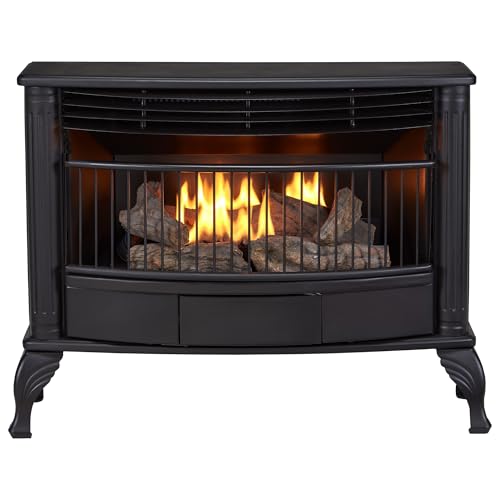
Indoor Gas Fireplace with Propane Tank: The Complete Guide
Everything you need to know about choosing, installing, and safely operating an indoor propane gas fireplace. Learn about venting options, efficiency, and finding the perfect model for your home.
Why Choose Propane? An indoor gas fireplace with a propane tank offers a unique blend of realistic flames and powerful heating, often in areas without access to natural gas lines. This guide will walk you through the critical decisions to make your installation safe, efficient, and beautiful.
What Is an Indoor Propane Gas Fireplace?
An indoor gas fireplace with a propane tank is a heating appliance that burns propane (LP) gas to produce a controlled flame and heat. Unlike natural gas models that require a direct utility line, propane fireplaces are supplied by either a large external tank or a smaller, refillable cylinder. This makes them incredibly versatile for homes in rural areas, cabins, or any property without a natural gas connection. They provide the ambiance of a traditional fire with the convenience of a flick-of-a-switch or remote control, making them a popular choice for modern living spaces. For a broader understanding of fuel types, you can explore our guide on the types of fireplaces.
How Does a Propane Fireplace Work?
The operation is straightforward. Propane gas is fed from a tank through a regulator and a gas line to the fireplace's burner. An ignition system—either a standing pilot light or a battery-powered electronic ignition—lights the gas. The resulting flame heats a set of ceramic logs or firebox, radiating warmth into the room. Many models include a blower to circulate heat more efficiently.
The key distinction for an indoor unit is the venting method. Some fireplaces are "vent-free" (also called ventless), meaning they are designed to burn so efficiently that they produce very low levels of carbon monoxide, allowing them to vent directly into the room. Others are "vented" and require a chimney or direct-vent pipe to expel all combustion byproducts outdoors. Your choice here is the most critical safety and performance decision you'll make.
Ventless vs. Vented Propane Fireplaces: A Critical Choice
Understanding the difference between ventless and vented models is essential for safety and performance. This comparison will help you decide which is right for your home.
| Feature | Ventless (Vent-Free) | Vented (Direct Vent or B-Vent) |
|---|---|---|
| Venting | No chimney or flue required; vents directly into the room. | Requires a chimney or a direct vent pipe to the outdoors. |
| Efficiency | Very high (up to 99%). Almost all heat stays in the room. | Lower (70-85%). Some heat is lost up the vent. |
| Installation | Simpler and more flexible. Ideal for retrofits and apartments. | More complex and costly. Requires careful planning for the vent path. |
| Air Quality | Emits trace amounts of CO and water vapor. Must be used in a well-ventilated space. Not recommended for bedrooms or small, tightly sealed rooms. | Keeps all combustion byproducts outside, maintaining excellent indoor air quality. Safe for any room. |
| Best For | Supplemental heat, ambiance, homes without existing chimneys, and mild climates. | Primary heat sources, homes with existing chimneys, and those prioritizing air quality. |
For a deeper dive into installation requirements, see our gas fireplace installation guide. If you're considering a ventless model, you might also be interested in a propane gas fireplace insert vent-free.
Safety First: Ventilation and Carbon Monoxide
Safety is the top priority when installing any indoor gas appliance. For ventless models, proper ventilation is not optional—it's a requirement. These units produce water vapor and a tiny amount of carbon monoxide (CO). In a well-ventilated room, this is not a concern, but in an airtight space, it can be dangerous.
Always follow the manufacturer's minimum room size requirements (often measured in cubic feet). It is strongly recommended to install a battery-operated or hardwired carbon monoxide detector in the same room as the fireplace. For a comprehensive safety overview, read our guide on signs of carbon monoxide from a fireplace. If you are ever considering leaving it on overnight, please read our article on can you leave a fireplace on overnight for crucial safety information.
Sizing Your Propane Fireplace: The BTU Guide
Choosing the right heating capacity is crucial. Too small, and it won't heat your space; too large, and it will be uncomfortable and wasteful. Heating capacity is measured in British Thermal Units (BTU) per hour. A general rule of thumb is that a fireplace needs about 20-30 BTUs per square foot of space, depending on insulation and climate. You can calculate this precisely with our guide on heating capacity explained (BTU guide) or use our how to size a fireplace tool. Many high-efficiency models can be a great choice if you're wondering can a fireplace heat an entire house.
Choosing the Best Indoor Propane Fireplace for Your Home
With your venting and sizing decisions made, you can focus on style and features. Propane fireplaces come in various forms to match any decor.
- Fireplace Inserts: These are designed to fit into an existing masonry or prefab fireplace opening. They are a great way to upgrade an old wood-burning fireplace. You can learn more about a vent-free propane insert or a direct vent model with a blower.
- Freestanding Stoves: A freestanding direct vent gas fireplace is a stylish and efficient option that can be placed almost anywhere, provided the vent can be routed outside.
- Built-in Fireplaces: These are designed for new construction or major renovations, offering a clean, custom look. You might look at a contemporary direct vent gas fireplace for a modern aesthetic.
Consider features like a remote control, thermostat, and blower. A gas fireplace insert with blower and thermostat offers maximum convenience and heating efficiency.
Installation and Maintenance Considerations
Installing a propane fireplace is a job for a licensed professional. They will handle the gas line connection, venting (if required), and ensure all local codes are met. This is not a DIY project. For a full overview of the process, see our fireplace installation guide and our article on DIY vs. professional installation.
Maintenance is relatively simple but important. This includes cleaning the glass (see how to clean fireplace glass), inspecting the burner, and checking the pilot light. Annual professional servicing is recommended to ensure everything is working safely and efficiently. Our monthly & yearly maintenance schedule provides a helpful checklist.
Frequently Asked Questions
Can I install a propane fireplace myself?
While some vent-free models are marketed as DIY-friendly, connecting any gas appliance carries significant risk. It is strongly recommended to hire a licensed professional to ensure the installation is safe and compliant with local building codes.
How long does a propane tank last?
This depends entirely on the size of your tank and the BTU rating of your fireplace. A 20-pound tank might last 10-20 hours with continuous use, while a large 100-gallon external tank could last for weeks or even months. Your installer can help you calculate your expected usage.
Is a vent-free propane fireplace safe?
Yes, when installed and operated according to the manufacturer's instructions. They are certified by national safety standards (like ANSI) and are designed to burn cleanly. However, they must be used in a room that meets the minimum space requirements, and a carbon monoxide detector is a must.
Do propane fireplaces smell?
A properly functioning propane fireplace should not produce a noticeable odor. A slight smell might be present during the initial burn-off of manufacturing oils. If you smell gas, turn off the unit and contact a professional immediately. You can learn more in our guide on what to do if your fireplace smells like gas.