
Fireplace Cleaning Guide: How to Clean & Maintain Your Fireplace
A clean fireplace operates safely, efficiently, and looks beautiful. This comprehensive guide covers everything you need to know about cleaning glass, bricks, gas burners, chimneys, and more for all fireplace types.
Why Regular Cleaning Matters: A dirty fireplace doesn't just look bad—it can become a safety hazard. Creosote buildup can cause chimney fires, clogged burners waste fuel, and dirty glass reduces heat output. Regular cleaning protects your home and extends the life of your fireplace.
Essential Fireplace Cleaning Principles
Before you begin cleaning any fireplace, there are universal principles that apply regardless of fuel type. Always ensure the fireplace is completely cool before cleaning—this typically means waiting at least 24 hours after the last use. Rushing this step can cause burns or damage from thermal shock when cleaning solutions hit hot surfaces.
Gather the right tools before you start. For most fireplaces, you'll need a vacuum with a brush attachment, soft-bristled brushes, microfiber cloths, and appropriate cleaning solutions. Avoid abrasive materials that can scratch glass or damage metal components. For wood-burning units, a dedicated ash removal and disposal guide will help you handle debris safely and efficiently.
Safety should always come first. Wear gloves and eye protection when using cleaning solutions. Ensure proper ventilation by opening windows or doors. If your fireplace uses gas, turn off the supply before cleaning. For electrical units, unplug them from the power source. These precautions prevent accidents and protect your health.
How to Clean Fireplace Glass
Dirty fireplace glass is one of the most common complaints from homeowners. Soot and creosote buildup can make even the most beautiful fire look dull and uninviting. Fortunately, cleaning glass is straightforward with the right approach. For a detailed step-by-step process, see our dedicated guide on how to clean fireplace glass.
Start by allowing the glass to cool completely. Remove any loose debris with a soft brush or vacuum. For light soot, a mixture of equal parts white vinegar and water works well. Spray the solution, let it sit for a few minutes, then wipe with a microfiber cloth. For stubborn creosote deposits, create a paste from baking soda and water, apply it to the glass, and let it sit for 15-20 minutes before scrubbing gently with a non-abrasive pad.
Commercial fireplace glass cleaner products are specifically formulated to break down creosote and soot without leaving residue. These are particularly useful for heavy buildup. Avoid household glass cleaners that contain ammonia—when heated, ammonia can permanently etch the glass surface. After cleaning, buff the glass with a dry cloth to prevent streaks and water spots.
If you notice condensation inside fireplace glass, this often indicates a ventilation issue or a failing gasket. Cleaning won't solve this problem—you'll need to address the underlying cause, which may require professional inspection.
Cleaning Guides by Fireplace Type
Different fireplace types require different cleaning approaches. Understanding your specific unit's needs ensures you clean effectively without causing damage.
Gas Fireplace Cleaning
Gas fireplaces produce less mess than wood-burning units, but they still require regular attention. The burner ports can become clogged with dust and debris, leading to weak or uneven flames. Our guide on how to clean a gas fireplace burner provides detailed instructions for this critical maintenance task.
Begin by turning off the gas supply and allowing the unit to cool. Remove the logs, embers, and any decorative media. Vacuum the burner area with a soft brush attachment, paying attention to the small ports where gas exits. A pipe cleaner or thin wire can gently clear stubborn blockages. Never use water or liquid cleaners inside the burner assembly—moisture can cause corrosion and affect performance.
Clean the glass according to the methods described above. Inspect the gaskets and seals for wear—replace them if they're cracked or brittle. For comprehensive maintenance, refer to our gas fireplace maintenance guide. If you notice weak flame on gas fireplace even after cleaning, the issue may require professional attention.
Wood-Burning Fireplace Cleaning
Wood-burning fireplaces require the most intensive cleaning regimen. After every few fires, remove ash from the firebox. Always leave a thin layer of ash on the firebrick—it acts as insulation and helps maintain consistent temperatures. For safe ash handling, follow our ash removal and disposal guide.
The chimney is the most critical component to maintain. Creosote—a tar-like substance produced by burning wood—accumulates on chimney walls and is highly flammable. Our chimney cleaning guide explains when and how to address this. As a general rule, if creosote buildup exceeds 1/8 inch, it's time for professional cleaning. You can also learn about creosote buildup prevention to minimize future accumulation.
Cleaning fireplace brick and stone requires care to avoid damaging the masonry. For soot stains on brick, a mixture of trisodium phosphate (TSP) and water works well. Apply with a stiff brush, then rinse thoroughly. For stone surfaces, use a pH-neutral cleaner and a soft brush to avoid etching. Always test any cleaning solution in an inconspicuous area first.
If your wood fireplace produces too much smoke or has draft problems, cleaning may help, but these issues often indicate deeper problems that require professional diagnosis.
Electric Fireplace Cleaning
Electric fireplaces are the easiest to maintain. They produce no combustion byproducts, so cleaning focuses on dust and debris removal. Our guide on cleaning electric fireplace units covers the process in detail.
Unplug the unit before cleaning. Use a vacuum with a brush attachment to remove dust from the vents, heater grilles, and flame effect area. A microfiber cloth dampened with water works well for exterior surfaces. Avoid getting moisture inside the unit—it can damage electrical components. For the flame effect screen, use a soft, dry cloth to prevent scratches.
For comprehensive care, refer to our electric fireplace maintenance tips. If your unit has a remote control, wipe it with a dry cloth periodically. If you notice buzzing noise or other unusual sounds, cleaning the fan and vents may resolve the issue. If problems persist, consult our electric fireplace troubleshooting guide.
Seasonal Fireplace Maintenance Schedule
Fireplaces need attention throughout the year, not just during burning season. Following a seasonal schedule ensures your fireplace is always ready when you need it and helps you catch problems early.
Spring Maintenance
As burning season ends, perform a thorough cleaning. Remove all ash, clean the glass, and inspect for damage. Our spring fireplace maintenance tips provide a complete checklist for this transition period.
Summer Care
During off-season months, focus on preventing moisture damage and pest intrusion. Our summer fireplace care guide covers essential off-season tips, including how to address musty fireplace smells.
Fall Preparation
Before burning season begins, schedule a professional inspection and cleaning. Our fall fireplace inspection checklist and winter fireplace preparation guide will help you get ready.
Winter Monitoring
During active use, monitor for signs of problems. Regular fireplace inspection and adherence to a monthly and yearly maintenance schedule keeps your fireplace safe.
When to Call a Professional
While many cleaning tasks are DIY-friendly, some situations require professional expertise. Knowing the difference protects your home and your wallet.
Chimney cleaning is the most common task that should be left to professionals. A certified chimney sweep has the tools and training to remove creosote safely and inspect for structural damage. Our guide on when to call a chimney sweep explains the warning signs. If you prefer to handle basic inspections yourself, our DIY fireplace inspection checklist can guide you—but annual professional inspections are still recommended.
For gas fireplaces, annual professional servicing is essential. A technician will check for gas leaks, test safety systems, and clean internal components that aren't accessible to homeowners. Our gas fireplace inspection guide explains what to expect during these visits.
If you notice any of the following, call a professional immediately: persistent gas smells, excessive soot on fireplace surfaces, smoke entering the room, or signs of carbon monoxide. These indicate serious safety issues that require expert attention.
Essential Tools for Fireplace Cleaning
Having the right tools makes fireplace cleaning faster, easier, and more effective. While you don't need everything on this list, a basic kit will handle most routine tasks.
For ash and debris removal, invest in a fireplace shovel set and a fireplace broom set. A fireplace wood holder keeps your fuel organized and reduces mess. For safe handling of hot ash and tools, fireplace gloves are essential.
When cleaning glass, avoid abrasive pads that can scratch. Microfiber cloths and specialized fireplace glass cleaner are the safest options. For hard-to-reach areas, a fireplace brush replacement head allows you to clean without damaging surfaces.
For ongoing maintenance, consider a fireplace tools set that includes a poker, tongs, and brush. These tools help you manage fires safely and keep the firebox tidy between deep cleanings.
Frequently Asked Questions
How often should I clean my fireplace?
Wood-burning fireplaces should be cleaned after every 10-15 fires or at least once a year for the chimney. Gas fireplaces need annual professional servicing and monthly glass cleaning during use. Electric fireplaces require dusting every 2-3 months and occasional deeper cleaning.
Can I use household glass cleaner on my fireplace glass?
No. Household glass cleaners often contain ammonia, which can permanently etch fireplace glass when heated. Use a specialized fireplace glass cleaner or a paste of baking soda and water instead.
How do I know if my chimney needs cleaning?
Signs your chimney needs cleaning include: visible creosote buildup exceeding 1/8 inch, smoke entering the room when the fireplace is in use, a strong smoky odor even when not burning, and it has been more than a year since the last cleaning.
Is it safe to clean a gas fireplace myself?
Basic tasks like cleaning glass and vacuuming the firebox are safe for homeowners. However, any work involving the gas line, burner assembly, or internal components should be left to a licensed professional. Always turn off the gas supply before any cleaning.
What should I do if I find creosote in my chimney?
If creosote buildup is minor (less than 1/8 inch), you may be able to address it with proper burning practices. If it's thicker or hardened, call a professional chimney sweep. Creosote is highly flammable and must be removed properly to prevent chimney fires. See our guide on creosote buildup prevention for more information.
Recommended Fireplace Cleaning Tools & Products
⚠️ AFFILIATE DISCLOSURE: This website contains affiliate links. As an Amazon Associate, we earn from qualifying purchases. If you make a purchase through these links, we may receive a small commission at no additional cost to you. Read our full affiliate policy.

Fireplace, Wood Stove & Chimney Owner's Care Guide: Safe Operation, Cleaning, and Maintenance for Homeowners
Check price on Amazon
Home Expert Guide to Fireplace Installation and Maintenance: Lasting Safety and Efficiency in Your Home's Hearth
Check price on Amazon
VEVOR Chimney Sweep Kit, 33 ft Maximum Extendable Length Chimney Brush, Chimney Cleaner Sweeper with Dual Brush Heads, Brush & Goggles, Fireplace Cleaning Tool for Square, Rectangle, Arch Chimneys
Check price on Amazon
FryOilSaver Co. B67C Pellet Stove & Dryer Vent Cleaner Brush Kit, 10 Ft | 3 Inch Brush Head, 10 Ft Long Flexible Steel Rod, Removes Ash Lint & Soot, For Fireplace & Chimney, Pellet Stove Cleaning
Check price on Amazon
VEVOR Chimney Sweep Kit, 26 ft Maximum Extendable Length Chimney Brush, Chimneys Cleaning Kit with Bristle Replacements & Goggles, 90° Bendable Fireplace Cleaning Tool, for Square, Rectangle Chimneys
Check price on Amazon
36ft Total Fiberglass Chimney Cleaning Rods for 1/4" NPT Brush, 3ft×12Pcs | DIY Hearth Fireplace Maintenance, Durable Reusable Fiberglass, Easy Assembly, Length Adjustable, Cleaning Extension Rods Only
Check price on Amazon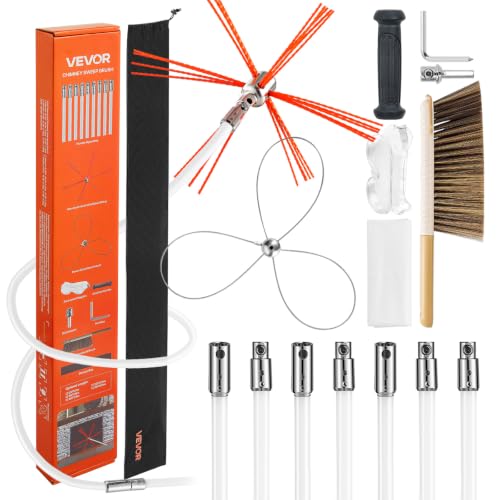
VEVOR Chimney Sweep Kit, 23 ft Maximum Extendable Length Chimney Brush, Chimney Cleaner Sweeper with Dual Brush Heads, Brush & Goggles, Fireplace Cleaning Tool for Square, Rectangle, Arch Chimneys
Check price on Amazon
Amosfun Chimney Cleaning Brush Set Wood and Stainless Steel 2 Pack
Check price on AmazonDisclaimer
Some content on this site is created with the help of AI. All information is provided for educational purposes only, not as professional advice. We are not responsible for any losses that may arise from the use of this information. By accessing this site, you agree to waive your right to bring legal claims against us related to the use of the information provided. If you do not agree, please leave this site. Read more.