Fireplace Wood Holder: The Complete Guide to Log Racks & Firewood Storage
Discover how the right wood holder keeps your firewood dry, your hearth tidy, and your fires burning efficiently. Learn about types, materials, sizing, and placement.
Start ReadingA fireplace wood holder is one of the most overlooked yet essential accessories for any home with a wood-burning fireplace or stove. It keeps your firewood organized, dry, and within easy reach, while also protecting your floors from dirt, bark, and moisture. Whether you are an occasional user or rely on your fireplace as a primary heat source, choosing the right log rack can significantly improve your experience.
In this comprehensive guide, we will walk you through everything you need to know about fireplace wood holders: the different types available, the best materials, how to size them correctly, and where to place them for maximum convenience and safety. By the end, you will be equipped to make an informed decision that suits your home and lifestyle.
If you are still in the process of setting up your fireplace system, you may also want to explore our fireplace buying guide and learn about firewood storage ideas to complement your wood holder.
Why You Need a Fireplace Wood Holder
A dedicated wood holder does more than just hold logs. It serves several important functions:
- Keeps firewood dry: Proper air circulation prevents moisture buildup, which is critical for efficient burning and reducing creosote. Learn more in our creosote buildup prevention guide.
- Organizes your space: A log rack eliminates messy piles of wood, making your hearth or patio look tidy and inviting.
- Protects your floors: Debris, bark, and water stains are contained, especially with models that feature a bottom shelf or tray.
- Improves safety: Keeping wood away from the firebox reduces the risk of accidental ignition. For broader safety tips, see our fireplace safety guide.
- Enhances convenience: Having seasoned wood within arm's reach makes tending the fire easier and more enjoyable.
Without a proper holder, you may find yourself dealing with damp wood, a cluttered living space, and a less efficient fire. Investing in a quality log rack is a small step that yields significant benefits.
Types of Fireplace Wood Holders
Wood holders come in various designs to match different needs and spaces. Here are the most common types:
1. Indoor Log Racks
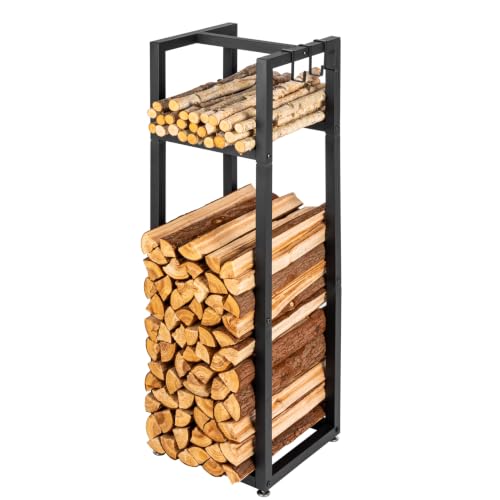
These are designed for use inside the home, typically placed near the fireplace. They often feature a compact footprint and may include a bottom tray to catch debris. Indoor racks are usually made of metal or wood and can be freestanding or wall-mounted.
2. Outdoor Log Racks
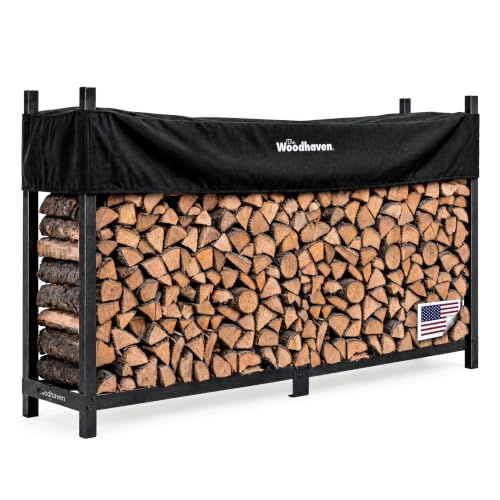
Built to withstand the elements, outdoor racks are larger and more robust. They are ideal for seasoning firewood or storing a bulk supply. Look for weather-resistant materials like galvanized steel or cedar. For more outdoor storage inspiration, visit our firewood storage ideas page.
3. Log Carriers
A log carrier is a portable canvas or leather bag used to transport wood from your storage area to the fireplace. While not a holder per se, it complements a stationary rack. Consider pairing a carrier with your indoor rack for maximum convenience.
4. Hoops and Baskets
Decorative hoops and baskets are popular for smaller spaces or for those who want a more rustic look. They are typically made of metal or wicker and can hold a modest amount of wood.
5. Wall-Mounted Racks
These save floor space and keep wood off the ground. They are ideal for tight areas and can be mounted near the fireplace for easy access. Ensure they are securely installed to support the weight of the wood.
When choosing a type, consider your available space, the amount of wood you need to store, and whether the holder will be indoors or outdoors. For those with limited space, our guide on fireplace space-saving ideas offers additional solutions.
Materials Matter: Choosing the Right Log Rack
The material of your wood holder affects its durability, appearance, and suitability for different environments. Here is a comparison of common materials:
| Material | Pros | Cons | Best For |
|---|---|---|---|
| Steel (Powder-Coated) | Durable, sturdy, available in many finishes, resistant to rust when coated | Can be heavy, may scratch floors without protection | Indoor and outdoor use, high-capacity racks |
| Wrought Iron | Classic look, very strong, long-lasting | Heavy, can rust if not properly maintained | Traditional or rustic decors, indoor use |
| Wood (Cedar, Pine) | Natural aesthetic, lightweight, easy to move | Less durable outdoors, may require sealing | Indoor use, decorative displays |
| Aluminum | Lightweight, rust-proof, easy to carry | Less sturdy than steel, may dent | Outdoor use, portable racks |
| Canvas/Leather | Portable, soft, won't scratch floors | Limited capacity, not for long-term storage | Log carriers, small batches |
For indoor use, powder-coated steel and wrought iron offer an excellent balance of durability and style. If you prefer a rustic look, wood racks can be a beautiful addition, but they may need extra care in humid climates. Outdoor racks should always be made of rust-resistant materials like galvanized steel or aluminum.
Regardless of material, ensure the rack has a stable base and can support the weight of your typical firewood load. A well-constructed holder will last for many seasons.
Sizing and Capacity: How Much Wood Do You Need to Store?
The size of your wood holder should match your burning habits and available space. Here are some guidelines:
- Small (1–2 cubic feet): Ideal for occasional use or apartments. Holds enough wood for a few evenings.
- Medium (3–4 cubic feet): Suitable for regular users who burn several times a week. A good balance of capacity and footprint.
- Large (5+ cubic feet): Best for frequent burners or those who want to store a week's worth of wood indoors. Often used outdoors for seasoning.
Consider the dimensions of your space. Measure the area where you plan to place the rack, leaving clearance for walking and safety. For indoor racks, a depth of 12–16 inches is common, while height can vary from 2 to 4 feet. If you have a small living room, explore our best fireplace for small spaces guide for more tips.
Also, think about the length of your firewood. Standard logs are typically 16 inches long, so your rack should accommodate that length comfortably. Some racks are designed for shorter logs (12 inches) or longer (24 inches). Always check the specifications before purchasing.
Placement Tips for Efficiency and Safety
Where you place your wood holder can impact both convenience and safety. Here are some recommendations:
- Indoor racks: Position them within a few feet of the fireplace, but not so close that they are exposed to excessive heat. A distance of 3–5 feet is generally safe. Ensure the rack does not block walkways or exits.
- Outdoor racks: Place them on a raised surface (like a concrete pad or pallet) to prevent moisture from wicking up. Choose a spot with good airflow and partial sun to aid seasoning. Keep them away from the house to avoid pests.
- Wall-mounted racks: Install them at a comfortable height for loading and unloading, typically 12–18 inches off the ground. Make sure they are anchored into studs.
- Safety first: Never store wood directly against the fireplace or stove. Maintain clearance from combustible materials. For more safety guidelines, refer to our fireplace safety tips.
Proper placement also improves air circulation around the wood, which helps keep it dry and ready to burn. If you notice your fire struggling, it might be due to damp wood; check our wood fireplace draft problem guide for troubleshooting.
Maintenance and Care for Your Wood Holder
To keep your wood holder in top condition, follow these simple maintenance practices:
- Regular cleaning: Remove debris, bark, and ash from the rack and the surrounding area. This prevents buildup and keeps your space tidy. For thorough cleaning tips, see our fireplace cleaning guide.
- Inspect for damage: Check for rust, loose joints, or signs of wear, especially on outdoor racks. Touch up paint or apply a rust-resistant coating as needed.
- Protect your floors: Place a mat or tray under indoor racks to catch falling debris and prevent scratches.
- Seasonal storage: If you have a portable rack, store it indoors during extreme weather to extend its life.
By taking care of your wood holder, you ensure it remains a functional and attractive part of your fireplace setup for years to come.
Frequently Asked Questions
What is the best material for an indoor fireplace wood holder?
Powder-coated steel or wrought iron are excellent choices for indoor use due to their durability and variety of finishes. Wood racks are also popular for a rustic look, but they may require more care in humid environments.
How far should a wood holder be from the fireplace?
It is generally recommended to keep a minimum distance of 3 feet from the fireplace or stove to avoid heat damage and reduce fire risk. Always follow the manufacturer's guidelines and local safety codes.
Can I use an outdoor log rack indoors?
Yes, but outdoor racks are often larger and may not be as aesthetically pleasing indoors. They may also have rough edges or finishes that could scratch floors. It's better to choose a rack designed for indoor use if that's your primary location.
How do I keep my firewood dry in an outdoor rack?
Place the rack on a raised surface, ensure good airflow, and consider using a cover or tarp during prolonged rain. Top-covered racks are also available. For more tips, see our firewood storage ideas.
Do I need a log carrier if I have a rack?
A log carrier is not essential but can be very convenient for transporting wood from an outdoor rack to your indoor fireplace. It helps keep debris contained and reduces trips.
Conclusion
Choosing the right fireplace wood holder is a simple yet impactful decision that enhances the functionality and appearance of your hearth. By considering the type, material, size, and placement, you can ensure your firewood stays dry, organized, and ready for a cozy fire. Remember to prioritize safety and maintenance to get the most out of your investment.
Whether you opt for a sleek indoor rack, a rugged outdoor holder, or a combination of both, you'll wonder how you ever managed without one. For more ways to optimize your fireplace experience, explore our other guides on fireplace accessories and fireplace maintenance.