Ethanol Fireplace Insert: The Ultimate Ventless Heating Solution
Discover how a bio-ethanol fireplace insert can transform your existing fireplace into a clean-burning, ventless heat source without the need for a chimney or gas line.
Explore Top PicksWhy Choose an Ethanol Insert? Unlike traditional wood or gas fireplaces, an ethanol fireplace insert requires no venting, no chimney, and no utility connections. It burns cleanly, producing only heat, water vapor, and a small amount of carbon dioxide — making it one of the most versatile and eco-friendly options for modern homes.
What Exactly Is an Ethanol Fireplace Insert?
An ethanol fireplace insert is a self-contained unit designed to fit into an existing fireplace opening, whether it's a traditional wood-burning fireplace or a prefabricated firebox. Instead of logs or gas, it uses bio-ethanol fuel — a renewable alcohol-based liquid — to produce a real, dancing flame. Because the combustion process is clean, there's no need for a flue or chimney, which means you can enjoy a fire even in spaces where traditional fireplaces aren't feasible.
These inserts are particularly popular among homeowners who want to upgrade an old, inefficient fireplace without the expense and hassle of major renovations. If you're exploring ethanol fireplace insert for existing fireplace options, you'll find that most models are designed to drop right into a standard opening with minimal modification. For those who are still weighing their options, our guide on types of fireplaces can help you compare ethanol against electric, gas, and wood alternatives.
How Does a Bio-Ethanol Insert Work?
1. Fuel Combustion
The insert contains a burner chamber that holds bio-ethanol fuel. When ignited, the fuel burns cleanly, creating a real flame that looks and behaves like a traditional fire — but without smoke, soot, or ash.
2. Heat Generation
As the ethanol burns, it releases heat into the room. Most inserts produce between 2,000 and 9,000 BTUs, depending on the size and burner design. This is enough to supplement heating in a small to medium-sized room.
3. Ventless Operation
Because the combustion byproducts are primarily water vapor and a negligible amount of CO₂, no chimney or flue is required. This makes ethanol inserts ideal for apartments, condos, and modern airtight homes.
4. Adjustable Flame
Many models feature adjustable burners that let you control the flame height and heat output. Some even come with remote controls or smart home integration for added convenience.
Understanding the mechanics is important, but so is knowing how ethanol compares to other ventless options. For a deeper dive, see our comparison of ethanol fireplace inserts versus electric and gas models in our fireplace buying guide.
Key Benefits of Ethanol Fireplace Inserts
Advantages
- No chimney, vent, or gas line required
- Clean-burning renewable fuel
- Real flame ambiance
- Easy installation — often DIY-friendly
- Low maintenance — no ash or soot
- Portable and versatile
- Zero electricity needed for operation
Considerations
- Fuel can be more expensive than wood or gas
- Lower heat output than gas or wood
- Requires ventilation for larger units
- Fuel storage and refilling needed
- Not suitable as a primary heat source for large homes
For many homeowners, the trade-offs are well worth it. The ability to enjoy a real fire without the cost of a chimney sweep or the hassle of fireplace maintenance is a major draw. If you're concerned about indoor air quality, you'll be pleased to know that ethanol inserts produce no creosote, no ash, and virtually no particulate matter — making them one of the cleanest-burning options available. Learn more about ventless fireplace safety to ensure you're using your insert correctly.
Ethanol vs. Other Fireplace Inserts
| Feature | Ethanol Insert | Electric Insert | Gas Insert |
|---|---|---|---|
| Venting Required | No | No | Yes (usually) |
| Real Flame | Yes | No (LED simulated) | Yes |
| Heat Output | Low to Moderate | Low to Moderate | Moderate to High |
| Installation Complexity | Easy (DIY) | Easy (Plug-in) | Complex (Pro required) |
| Fuel Source | Bio-ethanol | Electricity | Natural Gas / Propane |
| Maintenance | Very Low | Very Low | Moderate |
| Best For | Ambiance & supplemental heat | Convenience & safety | Primary heating |
As the table shows, ethanol inserts occupy a unique niche. They offer the realism of a gas fireplace with the installation ease of an electric model. However, if you need serious heating capacity, you may want to explore high BTU electric fireplace inserts or gas fireplace inserts with blowers. For those who prioritize realism above all, our guide on most realistic electric fireplace inserts is also worth a look.
How to Choose the Right Ethanol Fireplace Insert
Size & Fit
Measure your existing fireplace opening carefully. Most ethanol inserts come in standard sizes, but custom sizes are available. Ensure the insert fits snugly without gaps that could affect airflow.
Burner Capacity
Consider the burner's fuel capacity and burn time. Larger burners produce more heat and last longer, but they also consume more fuel. Look for adjustable burners for flexibility.
Materials & Build
Stainless steel and powder-coated steel are common. Higher-tier models often feature tempered glass, ceramic fiber logs, and more refined finishes for a premium look.
Safety Features
Look for features like flame guards, spill-proof fuel tanks, and automatic shut-off. These are especially important in homes with children or pets.
Ventilation Needs
Even though ethanol inserts are ventless, they still consume oxygen. A room with at least 1,000 cubic feet of space and a source of fresh air is recommended for larger units.
Design & Style
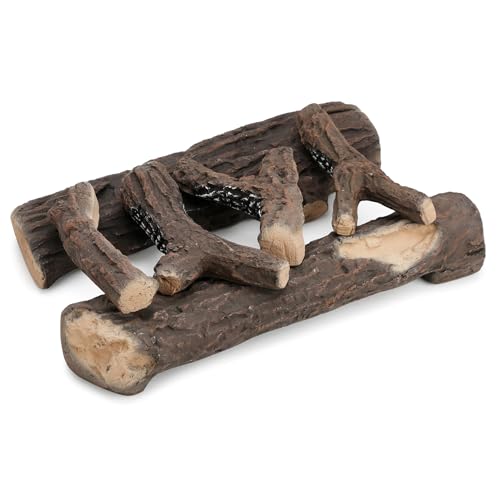
From minimalist linear burners to traditional log sets, ethanol inserts come in a range of styles. Choose one that complements your existing décor and mantel design.
When shopping, you'll encounter descriptors like "entry-level," "mid-range," and "premium." These tiers generally reflect build quality, burner sophistication, and included accessories — not necessarily performance. A mid-range ethanol insert often offers the best balance of value and features for most homeowners. If you're planning a larger renovation, our fireplace remodel checklist can help you stay organized.
Installation: What to Expect
One of the biggest advantages of an ethanol fireplace insert is how easy it is to install. In most cases, you can simply place the insert into your existing firebox, secure it, and you're ready to go. No chimney modifications, no gas line hookups, no electrical work. This makes it an excellent choice for renters, apartment dwellers, and anyone who wants to avoid the cost and disruption of professional installation.
That said, there are a few things to keep in mind. First, ensure your existing fireplace is clean and free of debris. Second, check that the insert fits properly and that there's adequate airflow around it. Third, never block the fireplace opening completely — even ventless units need some air circulation. For a step-by-step overview, see our fireplace installation guide. If you're replacing a wood-burning fireplace, you may also want to read about installing a wood stove in an existing fireplace for comparison.
Safety and Maintenance Tips
Safety First
- Always use bio-ethanol fuel specifically designed for fireplaces.
- Never refuel while the insert is still hot or lit.
- Keep flammable materials at least 3 feet away.
- Ensure the room has adequate ventilation.
- Install a carbon monoxide detector nearby.
- Never leave a burning ethanol fireplace unattended.
Maintenance Essentials
- Clean the burner regularly to prevent clogs.
- Wipe down surfaces with a damp cloth.
- Check for fuel leaks or damaged seals.
- Store fuel in a cool, dry place away from heat.
- Inspect the insert before each use.
- Replace worn parts as needed.
Ethanol fireplace maintenance is minimal compared to wood or gas. There's no chimney to sweep, no ash to remove, and no pilot light to worry about. A few minutes of care each month will keep your insert looking and performing its best. For more detailed guidance, see our ethanol fireplace maintenance guide. And if you ever encounter issues, our fireplace troubleshooting section covers common problems and fixes.
Frequently Asked Questions
Do ethanol fireplace inserts require a chimney?
No. Ethanol inserts are ventless and do not require a chimney or flue. However, they do consume oxygen, so the room should have adequate ventilation. For larger units, a slightly open window or a room with good air circulation is recommended.
Can I install an ethanol insert in an apartment?
Yes, ethanol inserts are one of the few fireplace types suitable for apartments. They require no permanent installation, no gas lines, and no venting. Just ensure your lease allows open flames. For more apartment-friendly options, see our guide on apartment fireplace installation.
How much heat does an ethanol insert produce?
Most ethanol inserts produce between 2,000 and 9,000 BTUs. This is enough to supplement heating in a small to medium-sized room, but they are not designed to be a primary heat source for large homes. For higher heat output, consider a high BTU electric insert or a gas insert with a blower.
Is ethanol fuel safe to use indoors?
Yes, when used correctly. Bio-ethanol fuel is clean-burning and produces no harmful fumes when burned properly. Always use fuel designed for indoor fireplaces, never refuel while hot, and ensure proper ventilation. For more safety tips, see our ventless fireplace safety page.
How do I clean an ethanol fireplace insert?
Cleaning is simple: let the insert cool completely, wipe down surfaces with a damp cloth, and clean the burner with a soft brush. Avoid harsh chemicals. For detailed instructions, see our fireplace glass cleaning guide and ethanol maintenance guide.
Ready to Upgrade Your Fireplace?
Browse our curated selection of top-rated ethanol fireplace inserts and find the perfect fit for your home.
See Recommended Models