
Ethanol Fireplace Insert for Existing Fireplace: The Complete Guide
Transform your traditional or unused fireplace into a clean-burning, modern focal point with an ethanol insert. This guide covers everything you need to know before making the switch.
If you have an existing fireplace that is inefficient, messy, or simply unused, an ethanol fireplace insert offers a compelling solution. Unlike wood or gas, ethanol inserts require no chimney, no gas line, and no electricity. They burn bioethanol, a renewable fuel that produces a real flame without smoke, soot, or ash. This makes them ideal for renovating a traditional masonry fireplace or upgrading a drafty old unit. This guide will walk you through the benefits, installation process, efficiency considerations, and maintenance requirements of ethanol inserts, helping you decide if this eco-friendly option is right for your home.
What Is an Ethanol Fireplace Insert?
An ethanol fireplace insert is a self-contained burner unit designed to fit into the opening of an existing fireplace. It typically consists of a stainless steel or powder-coated steel frame, a fuel chamber (burner), and a decorative element such as ceramic logs or stones. The burner holds liquid bioethanol, which you ignite manually or with a remote. The flame is real, producing a warm ambiance without the need for a flue or vent. Because ethanol burns cleanly, the only byproducts are heat, water vapor, and a small amount of carbon dioxide—similar to what humans exhale. This means you can enjoy a fire without the smell of smoke or the hassle of cleaning creosote. For those exploring types of fireplaces, ethanol inserts represent a unique category that bridges the gap between traditional and modern.
Why Choose an Ethanol Insert for Your Existing Fireplace?
There are several compelling reasons to consider an ethanol insert. First, it repurposes an existing fireplace that may be non-functional or inefficient. Instead of a costly chimney repair or a complicated gas line installation, you can simply slide an ethanol burner into the opening. Second, ethanol inserts are ventless, meaning they do not require a chimney or flue. This is a huge advantage for homeowners who want to avoid the expense of fireplace installation or the structural changes needed for a chimney or vent. Third, they are environmentally friendly. Bioethanol is a renewable fuel made from plants, and it burns cleaner than wood or fossil fuels. Finally, they offer design flexibility. You can choose from a variety of burner sizes, shapes, and decorative media to match your existing decor. Whether you are aiming for a DIY fireplace makeover or a professional renovation, an ethanol insert can be a game-changer.
How Does an Ethanol Insert Work?
The operation is straightforward. The insert contains a fuel canister or a built-in reservoir. You pour bioethanol into the burner, ensuring you do not overfill it. Then, you use a long lighter or a match to ignite the fuel. The flame burns at a steady rate, and you can adjust the intensity by sliding a damper over the burner opening (on some models). Most inserts are designed for manual refilling, but some premium models offer remote control or electronic ignition. It is important to note that ethanol inserts are not intended to be a primary heat source for an entire home. They are primarily decorative, though they do produce a respectable amount of supplemental heat. For those interested in heating capacity, understanding BTU ratings is helpful, but ethanol inserts are typically rated for ambiance and zone heating. If you are comparing options, you might also look at electric vs gas vs wood to see how ethanol fits into the broader landscape.
Installation Process: Fitting an Ethanol Insert into an Existing Fireplace
One of the biggest advantages of ethanol inserts is their ease of installation. In most cases, you do not need a professional. The process involves cleaning the existing fireplace opening, ensuring it is free of debris and flammable materials, and then placing the insert into the cavity. Many inserts are designed to be freestanding or to sit on the hearth. If the existing fireplace has a gas line or electrical connections, you should have them capped or removed by a professional. For a seamless look, you can add a DIY fireplace surround or a fireplace mantel to frame the new insert. Because ethanol inserts are ventless, you do not need to worry about ventilation requirements beyond normal room ventilation. However, it is always a good idea to check local building codes and permit requirements before installation. If you are not comfortable with DIY, you can search for electric fireplace insert installation near me to find a professional, though the process is similar for ethanol.
Efficiency and Heating Performance
Ethanol inserts are not the most efficient way to heat a home, but they are more efficient than a traditional open wood fireplace. A typical ethanol burner produces between 2,000 and 6,000 BTUs per hour, depending on the size. This is enough to take the chill off a small to medium-sized room. However, because they are ventless, nearly all the heat stays in the room, unlike a wood fireplace where much of the heat escapes up the chimney. If you are looking for a primary heat source, you may want to consider a most energy-efficient fireplace type. But for supplemental warmth and ambiance, ethanol is excellent. It is also worth noting that ethanol inserts do not require electricity, so they can be used during power outages. This makes them a reliable backup for energy-saving tips during winter storms. For those concerned about daily running costs, ethanol fuel is relatively affordable, though it varies by region.
Safety Considerations for Ethanol Inserts
Safety is paramount with any fireplace, and ethanol is no exception. Because ethanol is a liquid fuel, it must be handled with care. Always store bioethanol in a cool, dry place away from open flames. Never add fuel to a burner that is still hot or lit. Wait until the burner has completely cooled before refilling. It is also important to ensure the room has adequate ventilation, as ethanol combustion consumes oxygen. While ethanol inserts do not produce carbon monoxide in significant amounts, it is still wise to have a carbon monoxide detector in the room. Additionally, keep flammable materials, such as curtains and furniture, at a safe distance. For more detailed guidance, refer to our fireplace FAQ and leaving a fireplace on overnight articles. Always follow the manufacturer's instructions for your specific model.
Maintenance and Cleaning
One of the joys of ethanol inserts is their low maintenance. There is no ash to remove, no soot to scrub, and no chimney to sweep. However, you should regularly clean the burner to prevent residue buildup. Use a soft cloth and a mild detergent to wipe down the stainless steel or metal surfaces. Avoid abrasive cleaners that can scratch the finish. The fuel canister should be emptied and cleaned periodically if not in use for extended periods. For a comprehensive maintenance routine, see our guide on ethanol fireplace maintenance. If you are comparing maintenance across fuel types, you might also read about electric fireplace maintenance and gas fireplace maintenance. Because ethanol inserts do not produce creosote, you can skip the chimney cleaning guide entirely. This makes them a low-hassle option for busy homeowners.
Design Ideas and Aesthetics
Ethanol inserts are available in a wide range of styles, from sleek and modern to rustic and traditional. You can choose a linear burner for a contemporary look, or a round burner for a more classic feel. Many inserts come with decorative media such as ceramic logs, pebbles, or glass crystals. If you want to create a cozy, farmhouse-style look, you can pair your insert with a farmhouse mantel decorating idea. For a modern living room, consider a modern built-in entertainment center with fireplace that incorporates the ethanol insert. If you have a red brick fireplace, you might want to paint it first; see our guide on paint colors that go with red brick fireplace. The versatility of ethanol inserts means they can fit into almost any design scheme, from a small living room with fireplace to a grand living room fireplace with built-ins on each side.
Cost and Value Considerations
When evaluating an ethanol insert, it is helpful to think in terms of value rather than just initial outlay. Entry-level models are budget-friendly and offer basic functionality, while mid-range and premium models provide better build quality, larger burners, and enhanced safety features. The long-term value comes from the fact that you avoid the costs of chimney repair, gas line installation, or professional cleaning. You also save on energy bills because ethanol inserts are zone heaters, allowing you to heat only the room you are using. For a broader perspective on costs, you can read our fireplace cost breakdown and hidden costs of owning a fireplace. If you are comparing with other conversion options, you might look at cost of converting wood fireplace to electric or converting wood burning fireplace to gas cost. Ethanol inserts often present a middle-ground option that is both affordable and flexible.
Common Questions and Troubleshooting
New users often have questions about ethanol inserts. One common concern is whether they produce enough heat. While they are not a substitute for central heating, they do provide a pleasant supplemental warmth. Another question is about fuel consumption. A typical burner consumes about 0.5 to 1 liter of fuel per hour, depending on the flame size. If you encounter issues such as a weak flame or difficulty igniting, check the burner for debris or moisture. For more troubleshooting tips, you can visit our fireplace troubleshooting section. If you are considering a conversion from a wood-burning fireplace, you might find our guide on electric fireplace insert to replace wood burning useful for comparison. Similarly, if you have a gas fireplace, you might explore can you use a gas fireplace without electricity to understand differences. Ultimately, ethanol inserts are a reliable and user-friendly choice.
Conclusion: Is an Ethanol Insert Right for You?
An ethanol fireplace insert is an excellent choice for homeowners who want to upgrade an existing fireplace without the expense and complexity of a chimney or gas line. It offers a real flame, clean-burning operation, and low maintenance. While it may not heat an entire house, it provides beautiful ambiance and supplemental warmth. If you value eco-friendliness, design flexibility, and ease of installation, an ethanol insert is a strong contender. Before you buy, consider your heating needs, room size, and local regulations. With the right insert, you can transform a neglected fireplace into a stunning, modern focal point. For more information, explore our fireplace buying guide and which fireplace is right for your home.
Recommended Ethanol Fireplace Inserts for Existing Fireplaces
⚠️ AFFILIATE DISCLOSURE: This website contains affiliate links. As an Amazon Associate, we earn from qualifying purchases. If you make a purchase through these links, we may receive a small commission at no additional cost to you. Read our full affiliate policy.

Duluth Forge Dual Fuel Ventless Gas Fireplace Insert - 32,000 BTU, Remote Control - Model# FDI32R
Check price on Amazon
Duluth Forge Natural Gas Ventless Gas Fireplace Insert - 26,000 BTU, T-Stat Control - Model# FNF300T
Check price on Amazon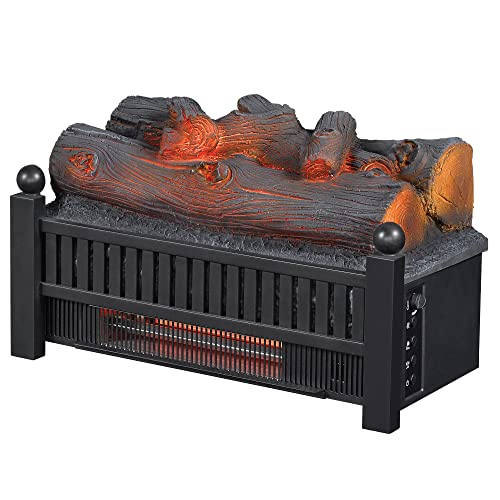
duraflame® Electric Log Set 1,000 Sq Ft Infrared Heater, Faux Logs Insert with LED Flames for Existing Fireplaces, Crackling Sounds, Remote Control Included
Check price on Amazon
Innoflame 21" Electric Fireplace Log Set, Fireplace Insert with Realistic Flame, Adjustable Flame Brightness, Thermostat, 9H Timer, Remote Control, Overheating Protection, 1400W
Check price on Amazon
duraflame Electric Log Set 400 Sq Ft Heater, Faux Logs Insert with Lifelike Flames for Existing Fireplaces, Remote Control Included
Check price on Amazon
Skyflame Small Gas Fireplace Logs - 4 Pcs Ceramic Wood Logs | Indoor Gas Inserts, Ventless, Propane, Gel, Ethanol, Electric or Outdoor Fireplaces, Fire Pits Decorative
Check price on Amazon
duraflame Electric Log Set 1,000 Sq Ft Heater, Faux Logs Insert with Infrared Flames for Existing Fireplaces, Remote Control Included
Check price on AmazonDisclaimer
Some content on this site is created with the help of AI. All information is provided for educational purposes only, not as professional advice. We are not responsible for any losses that may arise from the use of this information. By accessing this site, you agree to waive your right to bring legal claims against us related to the use of the information provided. If you do not agree, please leave this site. Read more.