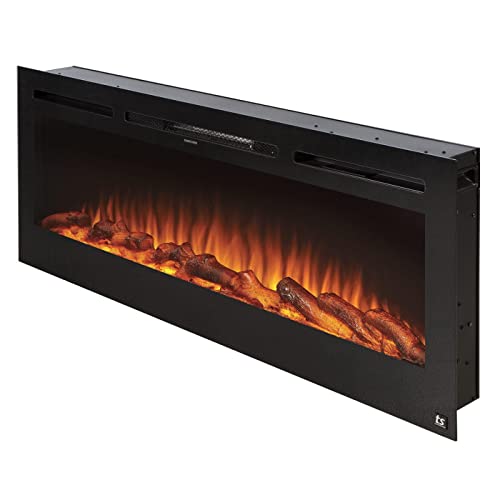
Electric Fireplace Insert for Gas Fireplace: The Complete Guide
Discover how to convert your gas fireplace with an electric insert. Learn about costs, installation, efficiency, and the best realistic options for a hassle-free upgrade.
SEE RECOMMENDED INSERTSQuick Answer: Yes, you can install an electric fireplace insert into an existing gas fireplace. This is a popular, cost-effective way to convert a gas unit that is broken, inefficient, or rarely used into a clean, easy-to-operate electric fireplace that provides both ambiance and supplemental heat.
Why Convert Your Gas Fireplace to an Electric Insert?
Gas fireplaces were once a top choice for convenience, but they come with ongoing fuel costs, annual maintenance, and potential safety concerns like gas leaks or carbon monoxide. When a gas fireplace reaches the end of its lifespan or becomes too expensive to repair, many homeowners look for a simpler alternative. An electric fireplace insert is often the perfect solution.
Unlike a gas unit, an electric insert requires no venting, no gas line, and no pilot light. It simply plugs into a standard household outlet. This makes it an ideal choice for a conversion from wood or gas. You get instant ambiance and a realistic flame effect without the hassle of fossil fuels. For those who want to understand all the options, our fireplace buying guide is a great resource.
Another major benefit is safety. Electric inserts do not produce carbon monoxide, making them a safer option for homes with children or pets. You can learn more about this in our article on electric fireplaces and carbon monoxide. If you are still deciding between fuel types, a full electric vs gas vs wood comparison can help clarify your needs.
Is It Possible to Install an Electric Insert in a Gas Fireplace?
Yes, it is not only possible but also a common renovation project. The key is that the existing gas fireplace must be permanently disconnected and the gas line capped by a licensed professional. Once the gas is safely off, the fireplace cavity becomes an empty box, ready to receive an electric insert.
You must also consider the flue. While an electric insert does not require a chimney, the existing flue can be left open or capped. Capping the flue is often recommended to prevent drafts. You can read more about this in our guide on stopping cold air from a chimney. This process is very similar to replacing a wood-burning fireplace with an electric one.
For a successful installation, measuring the firebox is crucial. You need an insert that fits comfortably inside. Our article on electric fireplace inserts to fit an existing fireplace provides a detailed measuring guide. It is also wise to check permit requirements, though electric inserts typically require fewer permits than gas installations.
Cost and Efficiency: Electric Insert vs. Gas Fireplace
The financial aspect is a major factor for many homeowners. A gas fireplace has a higher upfront cost for installation and requires a professional to run a gas line. An installation of a gas fireplace is complex. In contrast, an electric insert is generally more budget-friendly and can be a DIY project.
When it comes to running costs, electric inserts are often more efficient at point-of-use. A gas fireplace loses a significant amount of heat up the chimney, while an electric heater converts nearly all the energy it consumes into heat. You can explore the details in our article on electric vs gas running costs. If you are considering a conversion, it is also helpful to understand the cost of converting a wood fireplace to electric, as the process is similar.
For those who want to maximize savings, look for an insert with a thermostat and a blower. Our guide on the most energy-efficient fireplace types explains these features in detail. You can also find tips in fireplace energy-saving tips. If you plan to use it as a primary heat source, check out our article on electric fireplaces that heat 1000 square feet.
How to Choose the Best Electric Insert for Your Gas Fireplace
Selecting the right insert involves several key considerations. The most important is size. You need to measure the width, height, and depth of your existing firebox. Our guide on the best electric fireplace insert for an existing fireplace is an excellent starting point.
Next, consider the flame realism. Modern electric inserts use advanced LED technology to create a very convincing fire. If realism is your top priority, look for a model with a realistic flame effect. Some models even include crackling sound for an extra touch of authenticity, like these electric fireplace logs with crackling sound.
Finally, think about features. Do you want a remote control, a thermostat, or a multi-color flame option? Many inserts now come with these smart features. You can explore a range of options in our fireplace accessories section. For a truly seamless look, you might also consider a model with a surround and mantel.
Installation and Maintenance of an Electric Insert
One of the biggest advantages of an electric insert is the ease of installation. In most cases, it is a simple plug-and-play process. You can learn the steps in our electric fireplace installation guide. For a more finished look, you might want to hardwire the unit, but this requires a bit more electrical knowledge. Always consult a professional if you are unsure.
Maintenance is minimal. There is no ash to clean, no chimney to sweep, and no gas components to inspect. The primary task is dusting the unit and occasionally cleaning the glass. Our article on cleaning an electric fireplace covers everything you need to know. This low-maintenance aspect is a major reason why many people choose to replace a wood-burning fireplace with electric.
For long-term care, it is good to have a routine. Our electric fireplace maintenance tips and seasonal fireplace checklist can help you keep your unit in top condition. If you ever run into an issue, our fireplace troubleshooting section has answers to common problems.
Common Scenarios and Comparisons
Many homeowners consider this conversion when their gas fireplace is broken. If your unit won't light, you might be looking at a gas fireplace thermocouple replacement cost or other repairs. Instead of paying for repairs, an electric insert can be a more reliable long-term solution.
Another scenario is when a gas fireplace is simply not providing enough heat. You might be dealing with a weak flame on a gas fireplace, which can be a sign of a larger issue. In these cases, an electric insert offers consistent, reliable heat. For a side-by-side look at a common alternative, see our comparison of electric vs wood fireplaces.
If you are still exploring options, you might wonder about using a gas fireplace without electricity. While possible for some models, it's a limited experience. An electric insert, by contrast, needs only a standard outlet. For a complete change, you could even consider a wood-burning stove insert for a gas fireplace, though this is a much more involved project.