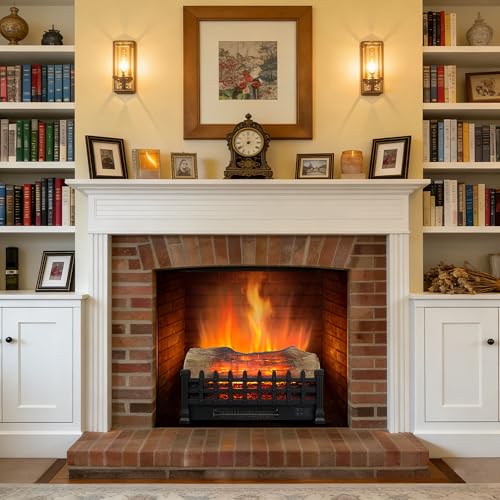
Electric Fire Fireplace to Fit in Existing Fireplace
Transform your old, unused fireplace into a modern, efficient heating source with an electric fire insert. Complete guide to sizing, installation, and choosing the right model for your existing fireplace.
START READINGWhy This Matters: Millions of homes have old wood-burning fireplaces that are inefficient, messy, or even unusable. An electric fire fireplace to fit in an existing fireplace gives you the look and warmth of a real fire without the hassle of chimney maintenance, smoke, or costly renovations. This guide will help you understand exactly what to look for.
What Is an Electric Fire Fireplace to Fit in Existing Fireplace?
An electric fire fireplace to fit in an existing fireplace is a specially designed electric insert that slides into the cavity of your current masonry or prefabricated fireplace. Unlike a freestanding unit or a wall-mounted model, these inserts are engineered to match standard fireplace opening dimensions, allowing you to repurpose an old firebox without major construction.
These units typically include a realistic flame display, a built-in heater (often infrared or fan-forced), and sometimes a remote control or thermostat. They are ideal for homeowners who want the ambiance of a fireplace without the ongoing costs of chimney cleaning or the inefficiency of an open wood-burning hearth.
If you're still deciding between fuel types, our electric vs gas vs wood fireplace comparison can help clarify the differences. For a broader overview of how fireplaces work, see our beginner's guide to fireplaces.
Why Choose an Electric Insert for Your Existing Fireplace?
There are several compelling reasons to choose an electric fire insert over other options like gas or wood:
- No venting required – Electric inserts do not produce smoke or carbon monoxide, so you don't need a chimney or flue. This means you can use your existing fireplace even if the chimney is damaged or unusable.
- Easy installation – Most electric inserts simply plug into a standard outlet. You can often install an electric fireplace into an existing fireplace in under an hour.
- Low maintenance – No ash, no soot, no creosote. Cleaning is minimal, as outlined in our electric fireplace cleaning guide.
- Energy efficient – Electric inserts heat only the room you're in, and many models include thermostats to avoid wasting energy. Learn more in our running cost analysis.
- Safe – No open flames, no gas leaks, and no chimney drafts. They are safe for homes with children and pets.
For a deeper dive into the pros and cons of different fireplace types, see our fireplace pros and cons by type.
Types of Electric Fire Inserts for Existing Fireplaces
Not all electric inserts are the same. Here are the main categories you'll encounter:
Standard Electric Insert
A basic unit that fits into the firebox and provides flame effects plus supplemental heat. Best for ambiance and small-room heating. Often entry-level or budget-friendly.
Infrared Electric Insert
Uses infrared technology to heat objects and people directly, which many find more comfortable than fan-forced heat. Typically mid-range to premium.
Fan-Forced Electric Insert
Blows warm air into the room using a fan. Effective for quickly heating a space. Often found in mid-tier models.
Realistic Flame Insert
Features advanced LED or water-vapor flame technology for a more lifelike fire. These are usually premium or luxury options.
For those who want the most authentic look, you may want to explore most realistic electric fireplace inserts with heat. If you're specifically replacing a wood-burning unit, see our guide on electric fireplace inserts to replace wood burning.
How to Choose the Right Size for Your Existing Fireplace
Getting the fit right is the most important step. Here's what you need to measure:
-
Measure the Firebox Opening
Measure the width, height, and depth of your existing fireplace opening. Electric inserts are designed to fit standard sizes, but you need accurate numbers. If you're unsure, our fireplace sizing guide provides detailed instructions.
-
Check the Inner Cavity
Some fireplaces have a tapered or irregular firebox. Measure the depth at the top and bottom, and the width at the front and back. You need the smallest dimensions to ensure the insert will slide in.
-
Account for Clearance
Leave at least a small gap for ventilation. Most manufacturers specify minimum clearances. Refer to our ventilation requirements for general guidance.
-
Consider the Trim and Surround
Many electric inserts come with a trim kit that covers the gap between the insert and the fireplace opening. This gives a finished look. You can also explore DIY fireplace surround ideas for electric fireplaces if you want a custom finish.
If you're replacing a wood-burning fireplace, you may also be interested in the cost of converting a wood-burning fireplace to electric.
Installation: What to Expect
Installing an electric fire fireplace to fit in an existing fireplace is a straightforward process for most homeowners. Here's a quick overview:
| Step | What's Involved | Difficulty |
|---|---|---|
| 1. Prep the Fireplace | Clean the firebox, remove old logs or grates, and ensure the area is free of debris. | Easy |
| 2. Measure and Test Fit | Dry-fit the insert to confirm it slides in smoothly. Adjust as needed. | Easy |
| 3. Connect Power | Plug into a nearby outlet. For a cleaner look, you can hardwire the unit, but this may require an electrician. See our hardwired vs plug-in comparison. | Easy to Moderate |
| 4. Secure the Insert | Most inserts can be secured with screws or brackets to prevent tipping. | Easy |
| 5. Attach Trim and Finish | Install the trim kit or surround to cover gaps and give a polished look. | Easy |
For a more detailed walkthrough, see our electric fireplace installation guide. If you prefer professional help, you can search for electric fireplace insert installation near me.
Key Features to Look For
When shopping for an electric insert, prioritize these features:
Heating Capacity (BTU)
Match the BTU output to your room size. A common rule is 20 BTU per square foot. Our BTU guide explains this in detail.
Thermostat and Remote
A thermostat maintains consistent temperature, while a remote adds convenience. Look for models with both. See our thermostat guide.
Flame Realism
LED and water-vapor flames are the most realistic. If this is important to you, read our article on realistic electric inserts.
Noise Level
Some units have noisy fans. If you're sensitive to sound, look for quiet operation or infrared heating, which is often silent. Our guide on electric fireplace noise can help.
Safety Features
Look for automatic shut-off, cool-touch glass, and overheat protection. These are standard on reputable brands.
Smart Home Integration
Some models work with smart home systems. See our smart home fireplace integration guide for options.
Electric Insert vs Other Options for Existing Fireplaces
If you're considering alternatives, here's how electric inserts stack up:
| Factor | Electric Insert | Gas Insert | Wood Insert |
|---|---|---|---|
| Venting Required | No | Yes (usually) | Yes |
| Installation Complexity | Low | Moderate to High | High |
| Maintenance | Minimal | Moderate | High |
| Heating Efficiency | Good (zone heating) | High | Moderate |
| Realism | Good to Excellent | Excellent | Authentic |
For a direct comparison, see our articles on electric vs gas fireplace and electric vs wood fireplace. If you're considering gas, you may also want to read about gas fireplace inserts.
Maintenance Tips for Your Electric Insert
Electric inserts are low-maintenance, but a little care goes a long way:
- Dust the exterior and vent openings regularly to prevent buildup.
- Clean the glass front with a soft cloth and mild cleaner. See our glass cleaning guide.
- Check the power cord for damage periodically.
- Inspect the heater for dust or debris before each heating season. Our electric fireplace inspection guide covers this.
- Follow the manufacturer's recommendations for annual service. See our maintenance schedule.
Common Issues and Troubleshooting
If your electric insert isn't working as expected, here are some common problems and solutions:
Not Heating
Check the thermostat setting and ensure the heater is turned on. See our electric fireplace not heating guide.
Flame Not Working
The flame effect may have a separate switch. If not, see our flame not working troubleshooting.
Remote Not Working
Replace batteries and ensure the remote is pointed at the sensor. More tips in our remote control fix guide.
Tripping Breaker
This often indicates an overloaded circuit. See our breaker tripping guide.
Buzzing Noise
Some noise is normal, but loud buzzing may indicate a fan issue. See our buzzing noise guide.
Reset Needed
Many units have a reset button. Our reset guide walks you through it.
Frequently Asked Questions
Can I really put an electric fireplace in my existing fireplace?
Yes. Electric inserts are specifically designed for this purpose. They slide into the firebox and plug into a standard outlet. No venting or chimney modifications are needed. For a step-by-step guide, see installing electric fireplace into existing fireplace.
Do electric fireplace inserts produce carbon monoxide?
No. Electric inserts do not burn fuel, so they produce no carbon monoxide. This makes them safe for indoor use without ventilation. See our article on electric fireplaces and carbon monoxide for more details.
How do I know if an electric insert will fit my fireplace?
Measure the width, height, and depth of your firebox opening. Compare these to the insert's specifications. Most manufacturers list the minimum opening dimensions. If you need help, see our fireplace sizing guide or contact the manufacturer.
Can I use an electric insert if my chimney is damaged?
Absolutely. Since electric inserts don't use the chimney, a damaged chimney doesn't matter. In fact, this is one of the main reasons homeowners choose electric inserts. You may want to cap the chimney to prevent drafts, as discussed in our downdraft guide.
How much does it cost to convert a wood-burning fireplace to electric?
The cost varies depending on the insert you choose and whether you hire a professional. For a detailed breakdown, see our article on the cost of converting a wood-burning fireplace to electric.
Will an electric insert heat my whole house?
Most electric inserts are designed for zone heating—they heat the room they're in. For whole-house heating, you'd need a central system. However, some models can heat up to 1,000 square feet. See our guide on can a fireplace heat an entire house.
Are electric inserts energy efficient?
Yes, especially when used for zone heating. They convert nearly all electricity into heat, and thermostat controls prevent wasted energy. Learn more in our most energy-efficient fireplace types article.
What's the difference between an electric insert and a freestanding electric fireplace?
An insert is designed to fit inside an existing fireplace opening, while a freestanding unit stands alone. Inserts give a more built-in look. See our comparison of built-in vs freestanding fireplaces.
Can I install an electric insert myself?
Yes, most electric inserts are DIY-friendly. They plug into a standard outlet, and many require only basic tools. However, if you need to hardwire the unit or modify the firebox, you may want to hire a professional. See our DIY vs professional installation guide.
Ready to Transform Your Old Fireplace?
Browse our recommended electric fire inserts designed to fit existing fireplaces. Find the perfect blend of ambiance and efficiency for your home.
SEE RECOMMENDATIONSFinal Thoughts
An electric fire fireplace to fit in an existing fireplace is one of the smartest upgrades you can make to an older home. It saves you from expensive chimney repairs, eliminates the mess of wood-burning, and provides efficient, zone-specific heat with the flick of a switch. Whether you're looking for a budget-friendly entry-level model or a premium realistic flame insert, there's an option for every need and style.
Before you buy, make sure to measure your firebox accurately, consider the features that matter most to you, and check out our recommended products below. If you're still exploring, our fireplace buying guide offers a comprehensive overview.