
Converting a Gas Fireplace to Electric: The Complete Guide
Everything you need to know about switching from gas to electric — costs, safety, installation, efficiency, and choosing the right electric insert for your existing fireplace.
START LEARNINGWhy convert? Gas fireplaces are efficient, but electric models offer zero emissions, no venting, lower maintenance, and flexible installation. If your gas fireplace is aging, rarely used, or you want to eliminate gas lines, an electric conversion can modernize your space and simplify operation.
Is Converting a Gas Fireplace to Electric Right for You?
Before you commit to a conversion, evaluate your current setup and long-term goals. A gas fireplace requires a gas line, venting (unless ventless), and periodic professional service. An electric fireplace needs only a standard electrical outlet and offers instant, thermostat-controlled heat without combustion. For many homeowners, the switch means saying goodbye to pilot lights, chimney inspections, and gas odor — while gaining remote control, timer functions, and consistent zone heating.
If you're still weighing fuel types, our electric vs gas vs wood comparison breaks down efficiency, maintenance, and ambiance. For a broader view of how electric models fit into modern homes, see the fireplace buying guide.
Conversion Scenarios: From Simple Swap to Full Remodel
The complexity of your conversion depends on the existing gas fireplace type. Here are the three most common scenarios:
1. Replacing a Gas Insert with an Electric Insert
This is the simplest path. If you have a gas insert inside a masonry or prefab fireplace, you can often remove the insert, cap the gas line, and slide in an electric insert. You'll need an electrical outlet nearby — many electric inserts plug into a standard 120V outlet. Look for models designed for electric fireplace inserts for wood burning fireplace or best electric fireplace insert for existing fireplace to match dimensions.
2. Converting a Built-in Gas Fireplace to Electric
For a built-in gas fireplace, you may need to remove the gas burner, logs, and venting components. The opening can then be framed and finished to accept an electric insert or a wall-mounted electric fireplace. This often requires minor carpentry and electrical work. If you're handy, a DIY electric fireplace project can save on labor, but always cap the gas line professionally.
3. Full Removal & Rebuild
If the gas fireplace is old, inefficient, or part of a larger remodel, you might remove the entire unit and surround. This opens the door to a large electric fireplace with mantel or a built-in entertainment center with electric fireplace. It's the most involved option but delivers a completely refreshed look.
Cost awareness: Conversion costs vary widely based on labor, electrical work, and the electric fireplace you choose. Entry-level electric inserts are budget-friendly, while premium models with realistic flames and smart features sit at the higher end. For a detailed breakdown of what influences total project cost, see our fireplace cost breakdown and cost of converting gas fireplace to electric.
Step-by-Step: How to Convert a Gas Fireplace to Electric
Always hire a licensed professional for gas line work. The steps below outline the typical sequence, but your specific situation may vary.
- Turn off the gas supply at the main valve and disconnect the gas line from the fireplace. A professional should cap the line safely.
- Remove the gas insert or burner assembly. Take out logs, grate, and any venting components if they won't be reused.
- Assess the electrical needs. Most electric fireplaces require a dedicated 15-amp circuit. If no outlet exists, hire an electrician to install one near the fireplace cavity.
- Prepare the opening. Clean the firebox, remove debris, and ensure the dimensions match your chosen electric insert or wall unit. You may need to add a frame or finishing material.
- Install the electric fireplace. Follow the manufacturer's instructions — many plug in and are secured with screws or brackets. For inserts, slide into place and attach the trim.
- Finish the surround and test. Reinstall the mantel, tile, or surround. Plug in the unit, test heating and flame functions, and set up any remote or smart features.
For a detailed walkthrough of electric installation, see electric fireplace installation plug and play and installing electric fireplace into existing fireplace. If you're replacing a wood-burning unit instead, the process is similar to replacing wood burning fireplace with electric.
Choosing the Best Electric Fireplace for Your Conversion
Not all electric fireplaces are created equal. When converting from gas, consider these factors:
| Feature | Why It Matters |
|---|---|
| Heating capacity (BTU) | Match to your room size. Most electric fireplaces produce 4,000–5,100 BTU, enough for 400–1,000 sq ft. See heating capacity BTU guide. |
| Flame realism | LED and water-vapor flames look more convincing. For the most realistic options, read most realistic electric fireplace logs. |
| Insert vs. freestanding | Inserts fit existing fireboxes; freestanding units are flexible but need floor space. Compare built-in vs freestanding fireplace. |
| Ventilation | Electric fireplaces are ventless, but some models require clearance. No chimney needed. See do you need a chimney or vent. |
| Smart features | Remote, thermostat, timers, and Wi-Fi add convenience. Check electric fireplace with remote control and smart WiFi fireplace controller. |
If you have a large room, look for a best electric fireplace heater for large room or a large electric fireplace with mantel. For smaller spaces, a small corner electric fireplace heater or freestanding corner electric fireplace can be ideal.
Safety, Efficiency, and Maintenance After Conversion
Electric fireplaces are generally safer than gas because they produce no carbon monoxide, no open flame, and no gas leaks. However, you should still follow basic precautions: keep flammable materials away, don't overload circuits, and clean the unit regularly. Learn more about electric fireplace carbon monoxide risks (they're zero) and furniture distance from fireplace guidelines.
Efficiency-wise, electric fireplaces convert nearly all energy to heat, but running costs depend on your electricity rate. For a realistic look at operating expenses, see are electric fireplaces expensive to run and electric vs gas running costs.
Maintenance is minimal: dust the vents, clean the glass (if any), and inspect the cord. Our electric fireplace maintenance guide covers the essentials, including cleaning electric fireplace and electric fireplace inspection.
Common Questions & Troubleshooting
Can I convert a gas fireplace to electric myself?
You can handle the electric fireplace installation, but gas line capping and removal should be done by a licensed professional. Many homeowners tackle the cosmetic and electrical parts as a DIY fireplace project.
Will an electric fireplace fit my existing gas fireplace opening?
Measure your firebox width, height, and depth. Many inserts are designed to fit standard openings. Look for electric fireplace inserts for wood burning fireplace — they often fit gas openings too. If not, a electric fireplace to fit in existing fireplace can be custom-framed.
Do I need a chimney or vent for an electric fireplace?
No. Electric fireplaces are ventless and require no chimney. You can seal off the old flue. See do you need a chimney or vent for details.
What if my electric fireplace isn't heating?
Check the thermostat, remote batteries, and circuit breaker. Our electric fireplace not heating guide walks through fixes, and how to reset an electric fireplace may solve glitches.
Can I put a TV above an electric fireplace?
Yes, electric fireplaces don't produce the same heat as gas, so they're often safer for TV placement. Still, follow clearance recommendations. Read TV above fireplace safety.
Best Electric Fireplaces for Your Conversion
We've selected top-rated electric fireplaces and inserts that work well for gas-to-electric conversions. Whether you need a compact insert or a full entertainment center, these options balance realism, heating, and value.
Recommended Electric Fireplaces for Gas Conversion
⚠️ AFFILIATE DISCLOSURE: This website contains affiliate links. As an Amazon Associate, we earn from qualifying purchases. If you make a purchase through these links, we may receive a small commission at no additional cost to you. Read our full affiliate policy.

Southwire 9042SW8801 UL Listed Electrical Outlet Gas Range Adapter Converting A 250 Volt Receptacle for an Electrical Range to a 125 Volt Receptacle for A Gas Range
Check price on Amazon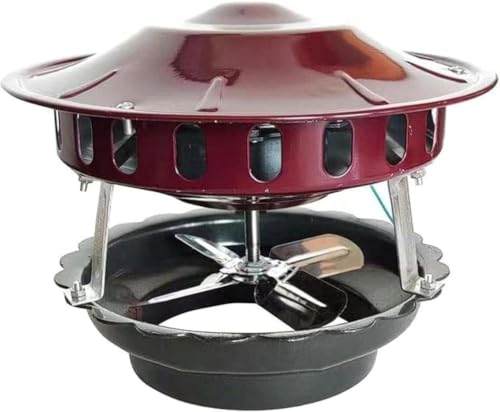
Electric Chimney Draft Inducer Fan for Fireplace Flue Smoke Ventilation,80w | Handles flue gas up to 575°F and includes a voltage converter for 110V-120V use
Check price on Amazon
Electric Chimney Draft Inducer Fan for Fireplace Flue Smoke Ventilation,80w | Handles flue gas up to 575°F and includes a voltage converter for 110V-120V use
Check price on Amazon
Electric Chimney Draft Inducer Fan for Fireplace Flue Smoke Ventilation | Handles flue gas up to 575°F and includes a voltage converter for 110V-120V use
Check price on Amazon
Electric Chimney Draft Inducer Fan for Fireplace Flue Smoke Ventilation | Handles flue gas up to 575°F and includes a voltage converter for 110V-120V use
Check price on Amazon
LegendFlame 25" W Free Standing Electric Fireplace Log Set (EF484), Fireplace Insert, Heater 750W/1500W, Crackling Sound, Remote Control…
Check price on Amazon
21" Freestanding Electric Fireplace Log Set with Cracking Sound, Fireplace Insert Heater with 8H Timer, 750w/1500w, 5 Flame Brightness & 5 Flicker Speeds, Overheat Protection, Remote Control
Check price on Amazon
Silonn Electric Fireplace Heater, Quick Heating Portable Fireplace with App & Remote,24″ Electric Corner Fireplace Low Noise with 5 Brightness Levels,Temp Control & Timer for Living Room,Bedroom,Black
Check price on AmazonDisclaimer
Some content on this site is created with the help of AI. All information is provided for educational purposes only, not as professional advice. We are not responsible for any losses that may arise from the use of this information. By accessing this site, you agree to waive your right to bring legal claims against us related to the use of the information provided. If you do not agree, please leave this site. Read more.