Cost of Converting a Gas Fireplace to Electric
Everything you need to know about the expenses, process, and long-term savings of switching from gas to electric. Make an informed decision before you commit.
Quick Answer: Converting a gas fireplace to electric typically falls into the mid-range to premium tier of home improvement projects. The total expense depends on whether you choose a DIY-friendly electric insert or a professionally installed built-in unit, plus any gas line capping or electrical work required.
Switching from a gas fireplace to an electric model is a growing trend among homeowners who want to eliminate gas lines, reduce maintenance, and gain more design flexibility. But before you make the switch, it's important to understand the full scope of the conversion — not just the unit itself, but labor, permits, and potential hidden costs.
This guide breaks down the cost of converting a gas fireplace to electric into clear tiers, explains what affects the final bill, and helps you decide whether the investment makes sense for your home. If you're still weighing your options, our electric vs gas vs wood fireplace comparison can help you see the bigger picture.
Why Homeowners Convert Gas Fireplaces to Electric
Before diving into numbers, it helps to understand the motivation. Most homeowners make the switch for one or more of these reasons:
- No more gas bills or pilot light waste. Electric fireplaces don't burn fuel when they're off.
- Zero venting requirements. You can install an electric insert almost anywhere, as explained in our guide to chimney and vent requirements.
- Lower maintenance. No chimney sweeping, no gas leak inspections, no soot. See our electric fireplace maintenance tips.
- Design flexibility. Electric units fit into built-in or freestanding configurations with far less structural work.
- Safety. No open flame, no carbon monoxide risk — a key concern covered in our guide on electric fireplaces and CO.
Cost Breakdown: What You'll Actually Pay
The total cost of converting a gas fireplace to electric can be grouped into four main categories. Each varies based on your home's setup and the quality tier you choose.
| Cost Category | What It Covers | Typical Tier |
|---|---|---|
| Electric Fireplace Unit | The insert, log set, or built-in unit itself | Entry-Level to Luxury |
| Gas Line Capping | Professional disconnection and sealing of the gas line | Mid-Range |
| Electrical Work | New outlet, dedicated circuit, or hardwiring | Mid-Range to Premium |
| Labor & Installation | Framing, finishing, and professional install | Entry-Level to Premium |
For a more granular look at what each tier means in terms of features and build quality, see our full fireplace cost breakdown.
1. The Electric Fireplace Unit
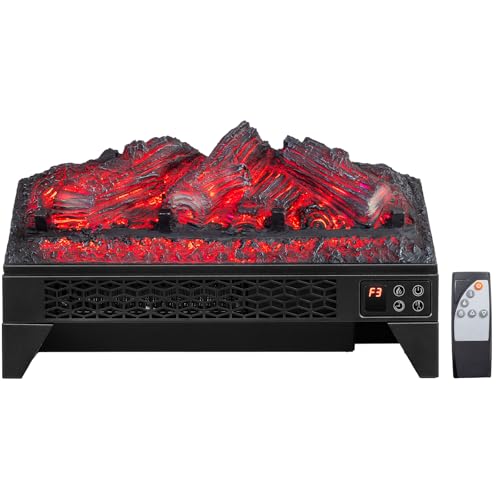
This is the most visible cost and the one you have the most control over. Units range from budget-friendly plug-in models to luxury built-in inserts with realistic flame effects and smart home integration.
- Entry-level: Basic plug-in units with simple flame effects. Best for occasional use or small spaces.
- Mid-range: Better flame realism, adjustable thermostat, remote control, and higher heat output. A popular choice for rooms up to 1,000 square feet.
- Premium: Realistic log sets, crackling sound, multi-color flames, and app control. See our guide to the most realistic-looking electric fireplace inserts.
- Luxury: Custom-built units, entertainment center integration, and designer finishes.
2. Gas Line Capping
You cannot simply leave a gas line disconnected. A licensed plumber or gas fitter must cap it safely. This is a non-negotiable cost and typically falls in the mid-range tier. It's a small job, but it requires a professional — and in most areas, a permit.
If you're also considering switching fuel types in the other direction, our article on converting a wood-burning fireplace to gas covers the reverse scenario.
3. Electrical Work
This is where costs can vary widely. A plug-in electric fireplace only needs a standard outlet nearby. But a built-in or high-output unit may require:
- A dedicated circuit (especially for units over 1,500 watts)
- A new outlet installed inside or near the fireplace cavity
- Hardwiring for a cleaner look
If your fireplace is on an exterior wall or far from your electrical panel, expect the electrical portion to move into the premium tier. Our plug-and-play installation guide explains when you can skip this step entirely.
4. Labor & Installation
If you're replacing an existing gas insert with an electric insert of similar dimensions, installation can be straightforward — sometimes a DIY project. But if you're changing the size, adding a new surround, or building built-in cabinets, labor costs rise quickly.
For a realistic look at what professional installation involves, see our DIY vs professional installation guide.
Pros and Cons of Converting to Electric
✓ Advantages
- No gas line = no gas leaks or pilot light waste
- Zero venting or chimney requirements
- Lower long-term maintenance costs
- Safer for homes with children or pets
- More design and placement options
- Can be used during power outages (with battery backup models)
✗ Disadvantages
- Upfront conversion cost can be significant
- Electric heat may cost more to run in some regions
- Flame realism varies by tier
- May require electrical upgrades
- Gas line capping requires a licensed pro
For a deeper dive into running costs, see our article on whether electric fireplaces are expensive to run and our comparison of electric vs gas running costs.
Step-by-Step Conversion Process
Assess Your Existing Fireplace
Measure the firebox, check the gas line location, and determine whether you have an electrical source nearby. This determines whether you need a simple insert swap or a full rebuild.
Choose Your Electric Unit
Decide between a plug-in insert, a built-in unit, or a freestanding model. Consider heat output, flame realism, and whether you want smart features. Our fireplace buying guide walks you through the decision.
Cap the Gas Line
Hire a licensed plumber or gas fitter to disconnect and cap the gas line. Do not attempt this yourself. This step usually requires a permit.
Prepare the Electrical
If needed, have an electrician install a dedicated circuit or outlet. For plug-in models, confirm that an existing outlet can handle the load. See our electric fireplace inspection guide for what to check.
Install the New Unit
Fit the electric insert into the existing cavity or build a new surround. Many mid-range and premium units come with detailed instructions. If you're not handy, hire a pro — our installation time guide gives you a realistic timeline.
Finish and Enjoy
Add a mantel, surround, or decorative logs to complete the look. Then enjoy a maintenance-free fireplace.
Hidden Costs to Watch For
Beyond the obvious expenses, a few hidden costs can surprise homeowners:
- Permits: Gas capping and electrical work often require permits. Fees vary by municipality.
- Wall repair: Removing a gas insert may leave gaps or damage that needs patching and painting.
- Surround replacement: If the new electric unit is a different size, you may need a new fireplace surround or tile work.
- Electrical upgrades: Older homes may need a panel upgrade to support a new circuit.
Our article on the hidden costs of owning a fireplace covers more scenarios that apply to both gas and electric units.
Long-Term Savings and Payback
While the upfront cost of conversion is real, many homeowners find that electric fireplaces pay for themselves over time through:
- Lower maintenance: No chimney sweeps, no gas inspections. Compare our chimney sweep cost guide.
- No standby gas usage: Pilot lights consume gas 24/7. Electric units use nothing when off.
- Zone heating: A well-placed electric fireplace can heat a single room efficiently, letting you lower your central thermostat. See our energy-saving tips.
For a broader view, read our comparison of which fireplace saves money long-term.
Frequently Asked Questions
Partially. You can install a plug-in electric insert yourself if you're comfortable with basic DIY. However, capping the gas line must be done by a licensed professional, and any new electrical work should be handled by a qualified electrician. See our DIY feasibility guide for more details.
In most jurisdictions, yes — at least for the gas capping and any new electrical circuits. Permit requirements vary by location, so check with your local building department. Our fireplace permit guide explains what to expect.
It depends on the unit. Entry-level electric fireplaces are often ambiance-focused, while mid-range and premium models can produce serious heat. For a room up to 1,000 square feet, a high-output electric unit can work well. See our guide to electric fireplaces that heat up to 1,000 square feet.
The gas line is capped and sealed by a licensed plumber or gas fitter. In some cases, the line can be disconnected at the main and removed entirely. Your gas provider may need to be notified.
It's worth it if you value low maintenance, design flexibility, and safety over the ambiance of a real gas flame. If you use your fireplace primarily for heat, compare running costs first. Our electric vs gas running cost comparison can help.
Final Thoughts
The cost of converting a gas fireplace to electric is an investment that goes beyond the unit itself. When you factor in gas line capping, potential electrical work, and installation, the project lands in the mid-range to premium tier for most homeowners. But for many, the trade-offs — no gas bills, no venting, minimal maintenance, and greater design freedom — make it worthwhile.
If you're ready to explore electric fireplace options, our fireplace buying guide is the best next step. You can also browse our recommendations below to see top-rated models for every tier.