Cast Iron Wood Burning Stove Indoor: The Complete Guide
Discover the timeless appeal and robust performance of cast iron wood burning stoves. Learn how to choose, install, and maintain the perfect heating solution for your indoor space.
Start Your ResearchWhy Choose Cast Iron? A cast iron wood burning stove is more than just a heat source; it's a centerpiece that offers exceptional heat retention, durability, and a classic aesthetic. This guide will walk you through everything you need to know before making a purchase.
What is a Cast Iron Wood Burning Stove?
A cast iron wood burning stove is a freestanding heating appliance made primarily from cast iron, a material renowned for its ability to absorb and radiate heat efficiently. Unlike steel stoves that heat up quickly but also cool down fast, cast iron stoves provide a gentle, lasting warmth long after the fire has died down. This makes them an excellent choice for primary or supplementary heating in a variety of indoor spaces.
These stoves are a type of freestanding fireplace, offering flexible placement options. They are often chosen by homeowners looking for a reliable and traditional heating method, and they fall under the broader category of woodburning fireplaces. Understanding the different types of fireplaces is the first step in your journey.
Pros and Cons of Cast Iron Wood Stoves
Advantages
- Superior Heat Retention: Cast iron retains heat far longer than steel, providing consistent warmth.
- Durability: A well-maintained cast iron stove can last for decades, becoming a family heirloom.
- Classic Aesthetic: The timeless look of cast iron adds a rustic or traditional charm to any room.
- Efficient Heating: Many models are highly efficient, especially those with catalytic combustors or secondary burn systems.
- Radiant Heat: It heats objects and people directly, creating a cozy and comfortable environment.
Disadvantages
- Heavy Weight: Their substantial weight requires a sturdy floor and careful installation.
- Slower to Heat Up: They take longer to reach optimal temperature compared to steel stoves.
- Maintenance: Requires regular cleaning, ash removal, and chimney maintenance. See our guide on wood fireplace maintenance.
- Potential for Cracking: Can crack if overheated or if cold water comes into contact with a hot surface.
- Requires a Chimney or Vent: Proper ventilation is essential. Learn about chimney and vent requirements.
Key Features to Consider
When shopping for a cast iron wood stove, several features can significantly impact performance, convenience, and safety. Here’s what to look for:
| Feature | Why It Matters |
|---|---|
| Heating Capacity (BTU) | Determines the size of the area the stove can effectively heat. It's crucial to size your fireplace or stove correctly. Use our BTU guide for reference. |
| Efficiency Rating | Higher efficiency means more heat from less wood, reducing your fuel consumption and environmental impact. Look for stoves with high energy efficiency ratings. |
| Emissions | EPA-certified stoves produce fewer emissions and are better for the environment. Check local regulations. |
| Firebox Size | A larger firebox allows for longer burn times and can accommodate larger logs, requiring less frequent refueling. |
| Air Control | Precise air control lets you manage the burn rate and heat output more effectively. |
| Ash Pan | An ash pan simplifies the process of removing ash, making cleanup easier and cleaner. |
| Safety Features | Look for features like heat shields, door handles that stay cool, and secure latches. |
Installation and Placement
Proper installation is critical for safety and performance. While some homeowners might consider a DIY vs professional installation, a wood stove is a complex appliance that often requires professional installation to meet building codes and insurance requirements.
Key considerations include:
- Clearances: Strict clearance distances from walls, furniture, and other combustible materials are non-negotiable. These are specified in the stove's manual and local codes. Learn more about general furniture distance from fireplace guidelines.
- Hearth Pad: A non-combustible floor protector (hearth pad) is required beneath and around the stove. You can explore options like a limestone slab for fireplace hearth.
- Chimney and Venting: A properly sized and installed chimney is essential for drafting smoke out of the house and preventing dangerous backdrafts. This is a key part of the overall fireplace installation guide. For wood stoves, a stainless steel chimney liner for wood stove is often required, especially when retrofitting an existing fireplace. A flexible stove pipe for wood stoves can be used for the connection.
- Floor Protection: Beyond the hearth pad, ensure your floor can support the stove's weight. Specialized wood burning stove floor protection may be needed.
Professional Advice: Always consult a certified chimney sweep or hearth professional before installing a wood stove. They can ensure your installation is safe, up to code, and optimized for performance.
Efficiency and Heating Capacity
Understanding the relationship between efficiency and heating capacity is key to selecting the right stove. A stove that is too small will struggle to heat your space, while one that is too large will burn inefficiently, wasting fuel and potentially overheating your home.
Heating capacity is measured in BTUs (British Thermal Units). As a general rule of thumb, you need about 20 BTUs for every square foot of living space. However, factors like insulation, ceiling height, and climate play a significant role. For a more accurate assessment, refer to our detailed BTU guide and use a fireplace sizing worksheet.
A highly efficient stove will extract more heat from each log, meaning you can heat a larger space with less wood. Many modern stoves are designed to be high-efficiency wood burning stoves. If you're wondering can a fireplace heat an entire house, a high-efficiency wood stove is one of the best ways to achieve that goal.
Maintenance and Safety
Owning a cast iron stove comes with maintenance responsibilities. Regular care not only ensures optimal performance but also prolongs the life of your appliance and keeps your home safe.
- Chimney Cleaning: The chimney should be inspected and cleaned at least once a year to prevent creosote buildup, a leading cause of chimney fires. Our chimney cleaning guide provides detailed instructions.
- Ash Removal: Regularly empty the ash pan to maintain proper airflow. Always dispose of ashes safely. See our guide on ash removal and disposal.
- Glass Cleaning: Keep the stove glass clean for both aesthetics and safety. Learn how to clean fireplace glass effectively.
- Seasonal Checks: Perform a thorough inspection before each heating season. Our seasonal fireplace checklist is a great resource.
- Safety First: Always use a fireplace screen or keep the stove door closed to prevent embers from escaping. Ensure you have working smoke and carbon monoxide detectors. For more, read about general fireplace safety FAQs.
Proper maintenance is an essential part of wood fireplace maintenance. Regular inspections by a professional are also recommended as part of your annual fireplace inspection.
Recommended Cast Iron Wood Stoves
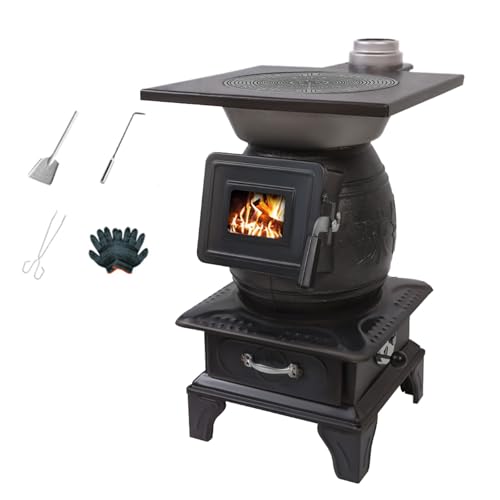
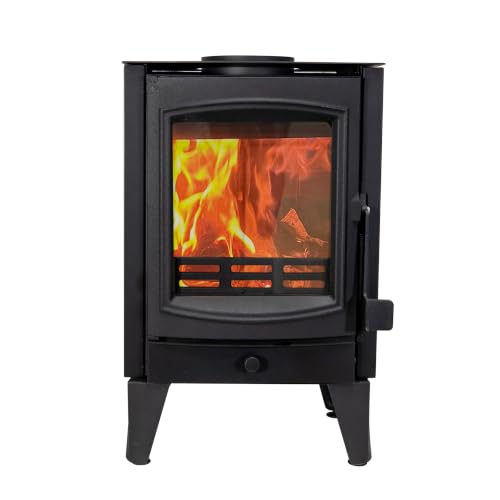
Below is a selection of highly-regarded cast iron wood burning stoves for indoor use. These models are chosen for their performance, durability, and features that cater to different needs and spaces.
For those looking for a modern alternative with the classic look, you might also consider an electric fireplace that looks like a wood burning stove, or explore what vintage cast iron wood burning stoves have to offer. If you're replacing an old unit, you may find our guide on replacement fire bricks for wood burning stoves useful.