
High Efficiency Wood Burning Stoves: The Ultimate Guide
Discover how modern wood stoves can heat your home more effectively, reduce emissions, and lower your reliance on traditional energy sources.
Explore Top ModelsWhy Efficiency Matters: A high-efficiency wood burning stove doesn't just save on fuel; it produces more heat with less wood, creates less creosote, and significantly reduces harmful emissions. This guide will help you understand the technology and choose the right model for your home.
What Are High Efficiency Wood Burning Stoves?
High efficiency wood burning stoves are advanced heating appliances engineered to extract the maximum amount of heat from every piece of firewood. Unlike traditional open fireplaces or older, inefficient stoves that lose most of their heat up the chimney, modern high-efficiency models utilize secondary combustion and catalytic technology to burn not just the wood, but also the smoke and gases it produces.
This process results in a cleaner, more complete burn. The key to their performance is an efficiency rating, typically measured as a percentage. While an open fireplace is roughly 10-15% efficient, a modern high-efficiency stove can reach 70-80% or even higher. This means for the same amount of wood, you get significantly more heat for your home. Many of these stoves are also EPA certified, meaning they meet strict standards for particulate matter emissions. This makes them a far more environmentally friendly option compared to older models. For those considering a broader upgrade, understanding the differences in types of fireplaces can provide valuable context.
How High Efficiency Wood Stoves Work
The magic of a high-efficiency stove lies in its ability to burn the unburned. Here’s a breakdown of the core technologies:
Secondary Combustion
This is the most common technology. In a secondary burn stove, the design includes tubes or baffles at the top of the firebox. Pre-heated air is injected into the firebox above the main fire. This super-heated air ignites the smoke and gases (which are essentially unburned fuel) that would otherwise escape up the chimney. You'll often see this as a "fire on top of the fire," creating a mesmerizing and highly efficient burn.
Catalytic Combustion
Catalytic stoves use a ceramic honeycomb structure coated with a precious metal (like platinum or palladium) placed in the exhaust path. As smoke passes through the catalyst, it lowers the ignition temperature of the gases, causing them to burn at a lower temperature than they normally would. This allows for a long, slow, and clean burn, making it ideal for overnight heating. Catalytic stoves require a bit more maintenance as the catalyst can degrade over time and needs occasional cleaning.
Key Benefits of High Efficiency Wood Stoves
Investing in a high-efficiency stove offers a multitude of advantages:
- Lower Fuel Consumption: You'll use significantly less firewood to achieve the same level of heat, saving you time and money on wood collection or purchase. This is a major factor when considering the fireplace cost breakdown over time.
- Reduced Emissions: They burn cleaner, producing less smoke and fewer particulate matter emissions. This is better for your health, your neighborhood's air quality, and the environment.
- Less Creosote Buildup: Creosote is a flammable byproduct of incomplete combustion that builds up in chimneys and can cause chimney fires. High-efficiency stoves burn hotter and cleaner, dramatically reducing creosote formation. This also makes chimney cleaning less frequent and less of a chore.
- More Consistent Heat: The design of these stoves allows for better control over the burn rate, providing a more steady and reliable source of heat. This is a key consideration when thinking about whether a fireplace can heat an entire house.
- Increased Home Value: A modern, efficient heating appliance can be an attractive feature for potential homebuyers, similar to how a new fireplace can add to home value.
How to Choose the Right High Efficiency Stove
Selecting the perfect stove involves balancing several factors. Here’s what to consider:
1. Size and Heating Capacity
Stoves are rated by their heat output, often in BTUs (British Thermal Units). A stove that is too large will overheat your space, forcing you to run it at a low, inefficient setting. One that is too small won't heat the room adequately. Understanding the relationship between room size and heat output is crucial; you can learn more in our guide to heating capacity and BTU guides. Generally, a stove for a 1,000-square-foot space might need 30,000-40,000 BTUs, but factors like insulation and climate play a big role.
2. Technology: Catalytic vs. Non-Catalytic
Both are efficient and EPA certified. Non-catalytic (secondary burn) stoves are generally simpler to operate and maintain. Catalytic stoves are excellent for low, slow burns and can be slightly more efficient in certain conditions, but they require more careful operation and periodic catalyst replacement.
3. Fuel Type and Log Size
Ensure the stove is designed for the wood you plan to burn. The firebox size will determine the length of the logs you can use. A larger firebox means fewer reloads, which is convenient for overnight heating.
4. Installation and Clearances
Always check the manufacturer's clearances to combustibles (walls, floors, furniture). You'll need wood burning stove floor protection that meets the required R-value. Installation is a complex task that often requires professional help. Before starting, it's wise to understand the general requirements in our fireplace installation guide overview.
Installation & Maintenance Essentials
Proper installation and regular maintenance are key to the safety and performance of your stove.
Installation
Installing a wood stove is not a simple DIY project for most homeowners. It involves connecting to a chimney or a dedicated flue system (like a stainless steel chimney liner for wood stove), ensuring correct clearances, and often obtaining a building permit. For these reasons, it's highly recommended to hire a certified professional. You can read more about the considerations in our article on DIY vs professional fireplace installation.
Maintenance
Regular maintenance ensures your stove operates efficiently and safely. This includes:
- Ash Removal: Regularly remove ashes using a fireplace shovel set and dispose of them safely. You can find more details in our ash removal and disposal guide.
- Glass Cleaning: Keep the glass door clean to enjoy the fire. Learn how to clean fireplace glass effectively without causing damage.
- Annual Inspection: Have a certified chimney sweep inspect your chimney and stove annually. This is crucial for detecting creosote buildup, cracks, or other issues. Our guide to annual fireplace inspection provides a great overview.
- Gasket Check: Ensure door gaskets are sealing properly to maintain air control.
Recommended High Efficiency Wood Burning Stoves
⚠️ AFFILIATE DISCLOSURE: This website contains affiliate links. As an Amazon Associate, we earn from qualifying purchases. If you make a purchase through these links, we may receive a small commission at no additional cost to you. Read our full affiliate policy.

US STOVE 750 SQ FT STOVE, 75% EFFICIENT
Check price on Amazon
Ashley Hearth AW1120E-P 1,200 sqft Wood Stove with Legs and Pedestal | Freight Shipping Required
Check price on Amazon
Cast Iron Wood Burning Stove Fireplace, Secondary Combustion Clean Burn System, Large Viewing Glass, Dual Loading Doors, Airwash Technology, Flue Damper & Log Rack
Check price on Amazon
Wood fireplace,Indoor wood burning fireplace with Dual View Windows | wood burning stove home heating of Heating Spaces from 200 to 800 Square FeetAnd cooking,Diesel cabinet+standing leg,black
Check price on Amazon
Comfort Glow Wood Fireplace Insert, Indoor Wood Stove - CGWI1800 | Indoor Wood Stove Insert, Fits 18" Logs, Heats Up To 1,200 Sq Ft, Blower & Face Plate, Heavy-Duty Steel, 100 CFM Blower
Check price on Amazon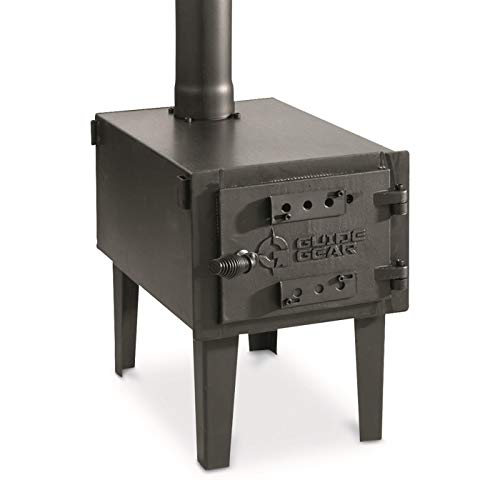
Guide Gear Outdoor Wood Burning Stove; Portable with Chimney Pipe for Cooking and Camping
Check price on Amazon