Adding a fireplace to a living room is one of the most impactful home improvements you can make. It creates a natural focal point, adds significant warmth, and can increase your home's value. However, the process involves more than just picking a model you like. It requires careful planning, understanding your home's structure, and choosing the right type for your needs.
Why Add a Fireplace to Your Living Room?
Beyond the obvious aesthetic appeal, a fireplace offers tangible benefits. It serves as an architectural anchor, helping to define the living space and create a cozy atmosphere. For many homeowners, it's a source of supplemental heat, reducing the load on their central heating system. The emotional and psychological comfort of a fire is undeniable, making the living room a more inviting place for family and guests. From a real estate perspective, a well-designed fireplace is often a desirable feature that can help a home stand out in the market.
Key Decision: Before you begin, define your primary goal. Are you looking for a primary heat source, a secondary heating zone, or purely aesthetic ambiance? This will guide your choice of fuel type and model more than any other factor.
Choosing the Right Fireplace Type for Your Living Room
The first major decision is the type of fireplace. Each has its own set of requirements, benefits, and drawbacks. The two main considerations are fuel type and installation method.
Electric Fireplaces: The Plug-and-Play Option
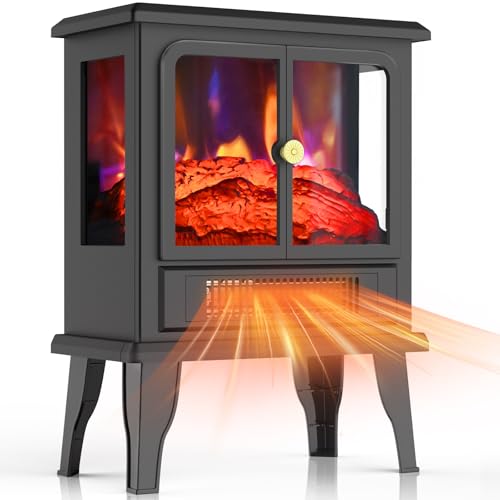
Electric fireplaces are the most versatile and easiest to install. They require only a standard electrical outlet, making them ideal for apartments, condos, or rooms without a chimney. Modern models offer incredibly realistic flames, often using LED technology to mimic a wood or gas fire. Many units include built-in heaters, making them functional space heaters. They are a top choice for a contemporary living room with fireplace due to their sleek designs. A popular choice is an electric fireplace TV stand with blower, which combines a media console with a fireplace. For those wanting a built-in look, an electric fireplace insert can be placed inside an existing or new mantel.
Gas Fireplaces: The Balanced Choice
Gas fireplaces offer the look and feel of a real fire with the convenience of a push-button start. They burn cleanly and provide efficient heat. They can be vented (requiring an outside vent) or ventless (burning cleanly enough to not need a chimney). A direct-vent gas fireplace is a common choice for new construction as it can be installed on almost any exterior wall. For those with an existing wood-burning fireplace, a gas fireplace insert for wood burning fireplace can be a great upgrade. A ventless gas fireplace insert with blower offers high efficiency and flexibility in placement. Exploring all types of fireplaces electric gas wood ethanol will help you compare.
Wood-Burning Fireplaces: The Traditionalist's Choice
Nothing beats the authentic crackle and aroma of a real wood fire. However, wood-burning fireplaces require a chimney or flue, are less efficient than modern gas or electric models, and require more maintenance. Installing one from scratch is a significant project. Often, it's more practical to install a modern, efficient wood-burning insert into an existing fireplace. A wood burning stove with blower for sale can also be a great alternative, offering high heat output and a rustic aesthetic.
Key Installation and Planning Considerations
Before you buy, you need to plan for the installation. This is where most projects succeed or fail. Understanding the fireplace installation guide overview is essential.
- Venting: Does the unit require a chimney, a direct vent to the outside, or is it ventless? This is the single most important factor determining where a fireplace can be placed. Do you need a chimney or vent fireplace? For most, the answer is yes unless it's an electric or ventless model.
- Sizing and BTU: You need a unit with the right heating capacity for your space. A simple calculation, often guided by a fireplace heating capacity BTU guide, will help. Learn how to size a fireplace for your specific room dimensions to ensure it heats effectively without being oversized.
- Cost and Efficiency: The upfront fireplace cost breakdown varies enormously by type. Electric models are often the most affordable upfront, while gas and wood installations can be significant. However, long-term electric vs gas fireplace running costs also matter. An energy-efficient electric fireplace can be very cheap to run for ambiance. Consider the most energy-efficient fireplace types for your budget and usage habits.
- Furniture Arrangement: A new fireplace changes how you use the room. You'll need to plan your furniture arrangement around fireplace for optimal viewing and conversation. A living room furniture arrangement with fireplace often centers the seating on the hearth.
Top Product Recommendations for Your Living Room
To help you get started, we've selected a range of highly-rated fireplaces that are perfect for a living room upgrade. These products are chosen for their features, design, and user reviews. Whether you're looking for a simple electric model or a powerful gas insert, this list has a solution. After you've explored the options below, you can refer back to our guide on which fireplace is right for your home to finalize your decision.
If you're considering replacing an old unit, our guides on replacing a fireplace with a wood stove or cost of installing a fireplace insert can provide more specific information.